
The transition from the Bendahara dynasty can be traced to 1812 when Temenggong Abdul Rahman Ibni Dato' Abdul Hamid, a royal court officer, was requested by Sultan Mahmud III to establish ownership and a trading post in Singapore. At that time, the Dutch and the British were planning to wrest control of the shipping lanes at the Straits of Melaka, with Singapore as the focal point. Temenggong's strategy was realised when the British government in 1816 sought his permission to establish a trading post in Singapore to be managed by the East India Company.
History of Governance
Opening of Trades in Singapore
After The Demise of Sultan Mahmud III
The Dutch appointed Tengku Abdul Rahman, the second son of Sultan Mahmud III, as Sultan of Johor-Riau. However, in 1818 the British recognised Tengku Husain, the first son of Sultan Mahmud as the rightful Sultan of Johor, and the Temenggong was appointed as Chief of Singapore. This move is seen as the first step of the British divide-and-rule strategy and political interference in Johor.
Equipping Himself With The Tasks of a Temenggong
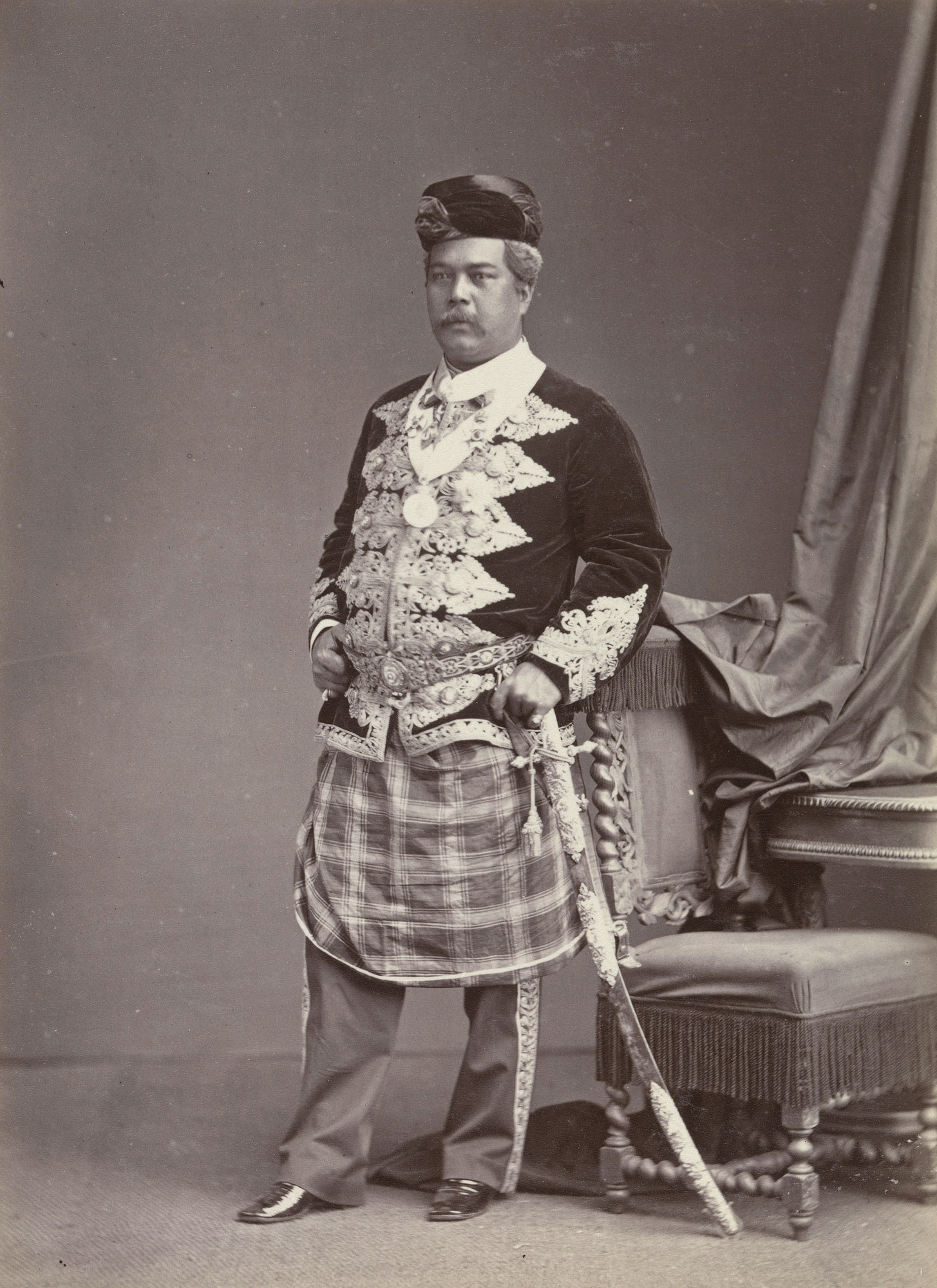
Temenggong Daeng Ibrahim waited 16 years after the demise of his father, Temenggong Abdul Rahman, to be installed as Chief of Singapore. The delay was caused by the conflict in the Johor-Riau-Lingga Sultanate and the refusal of the British to accept the idea of being ruled by a native ruler. The Temenggong gainfully utilized his time to master the English language and the intricacies of management and administration from his friends in the East India Company. The British were impressed with his charisma and capabilities and appointed him as an emissary in meetings and discussions with the Rulers of Selangor and Negeri Sembilan to solve problems of inheritance of authority.
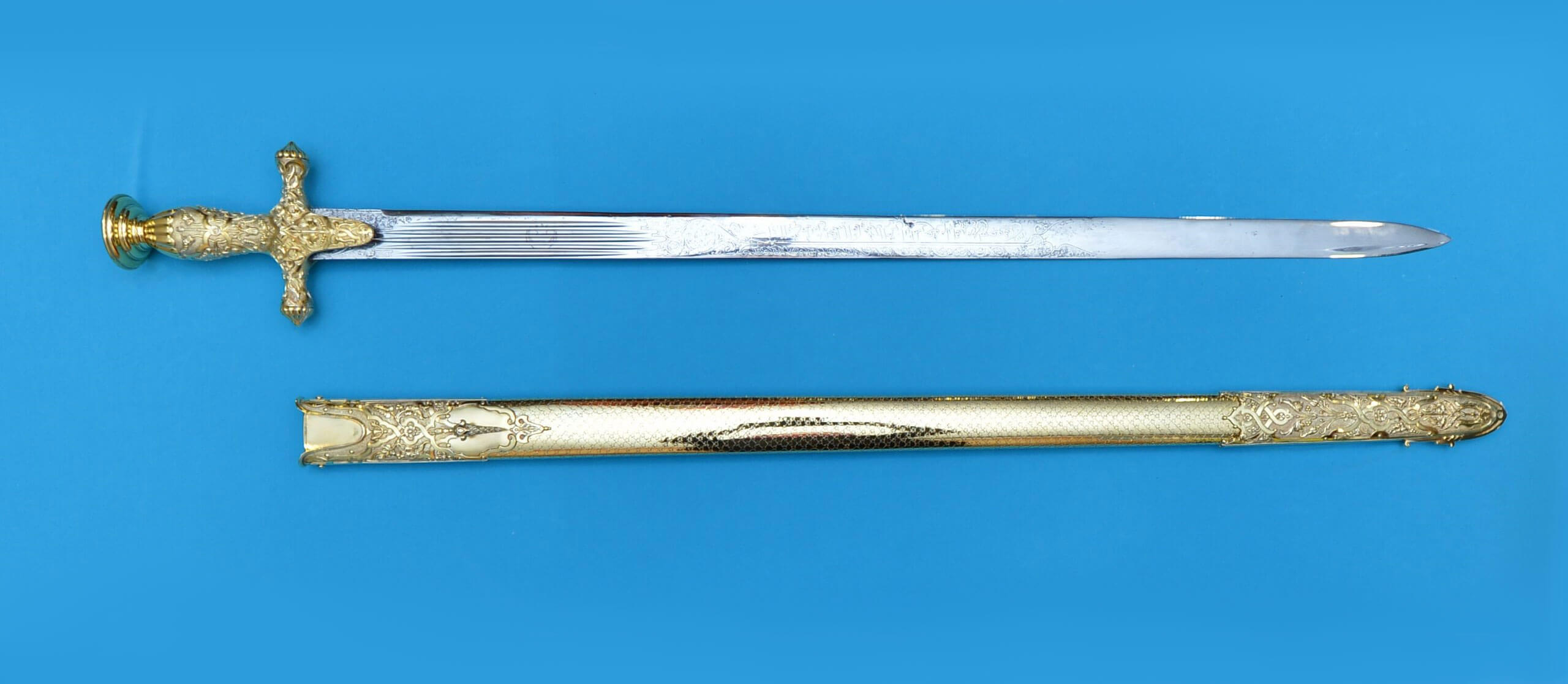
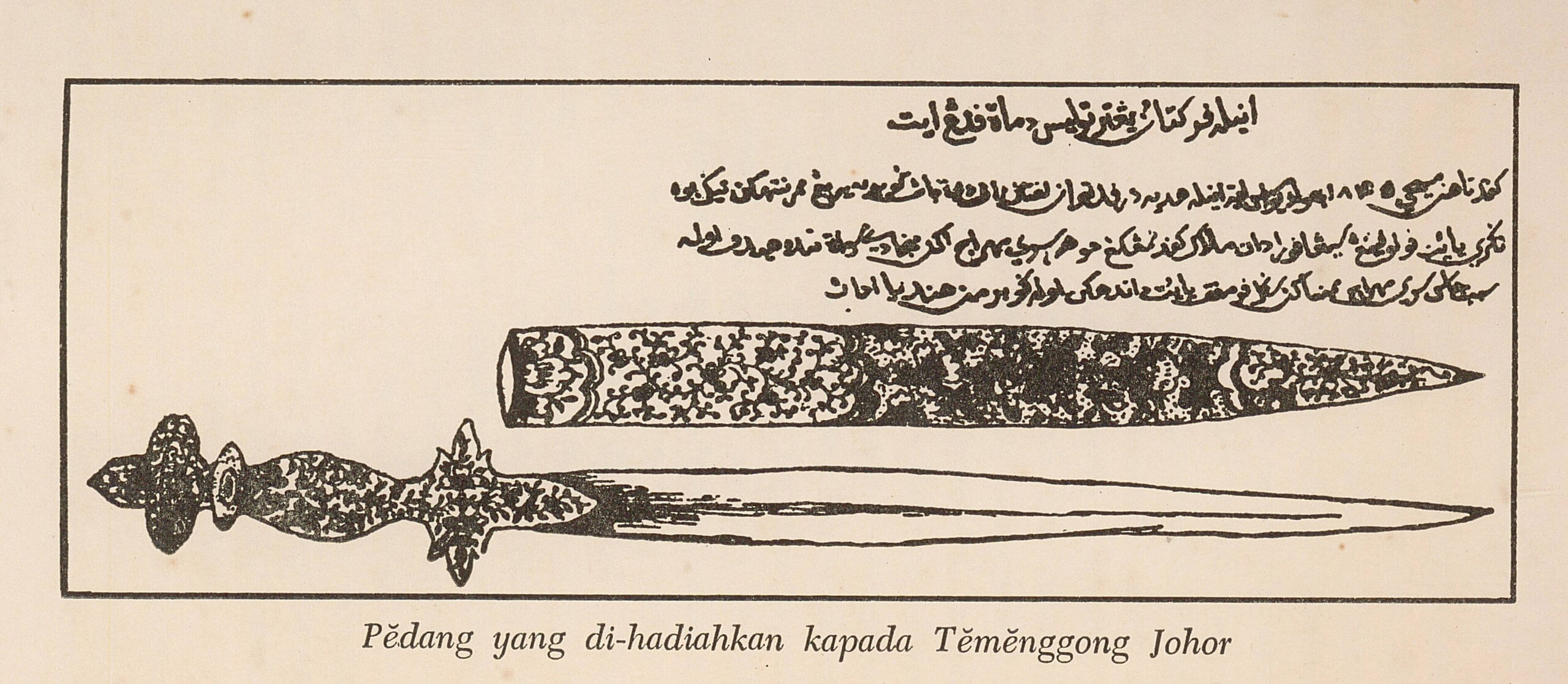
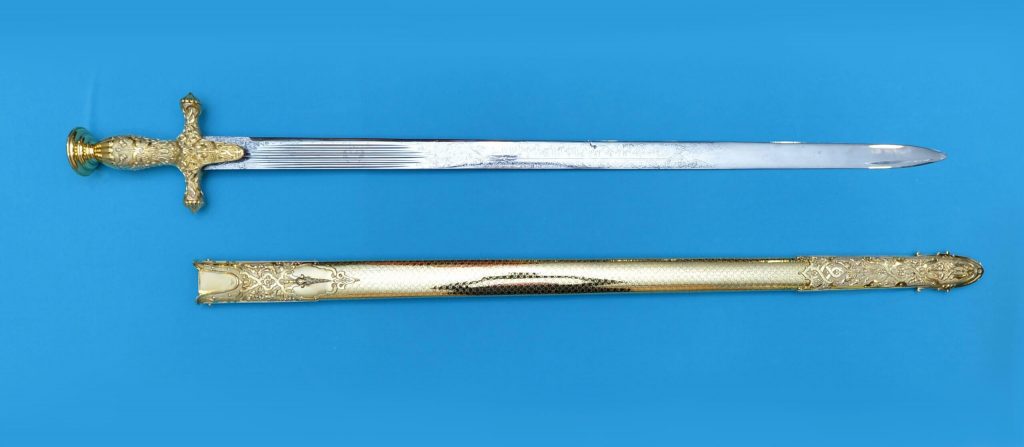
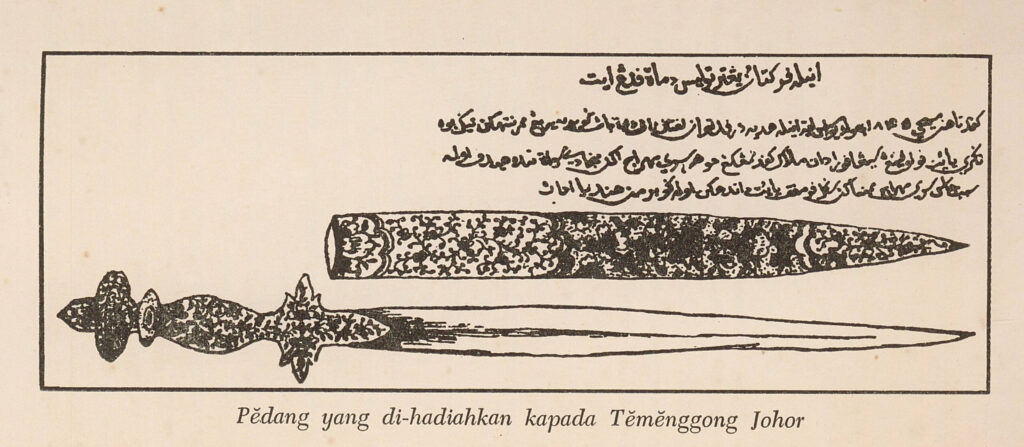
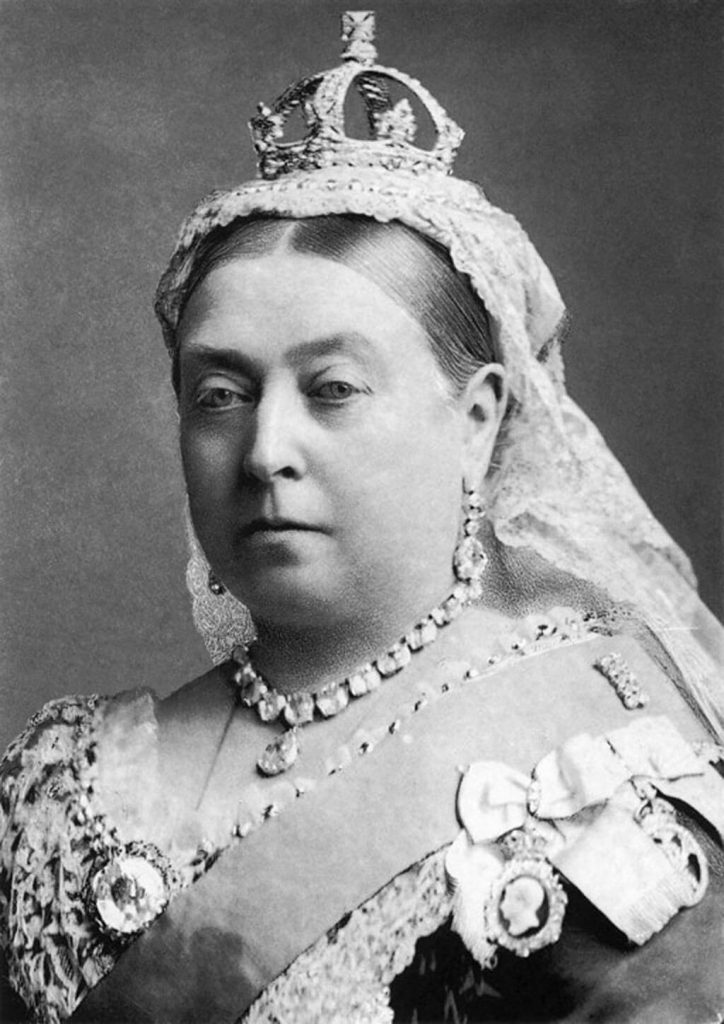
The Temenggong's bravery in annihilating piracy in Singapore and Riau waters and providing security to British merchant shipping earned him recognition from Queen Victoria, who presented him with a golden sword in 1846.
English Education For His Successors
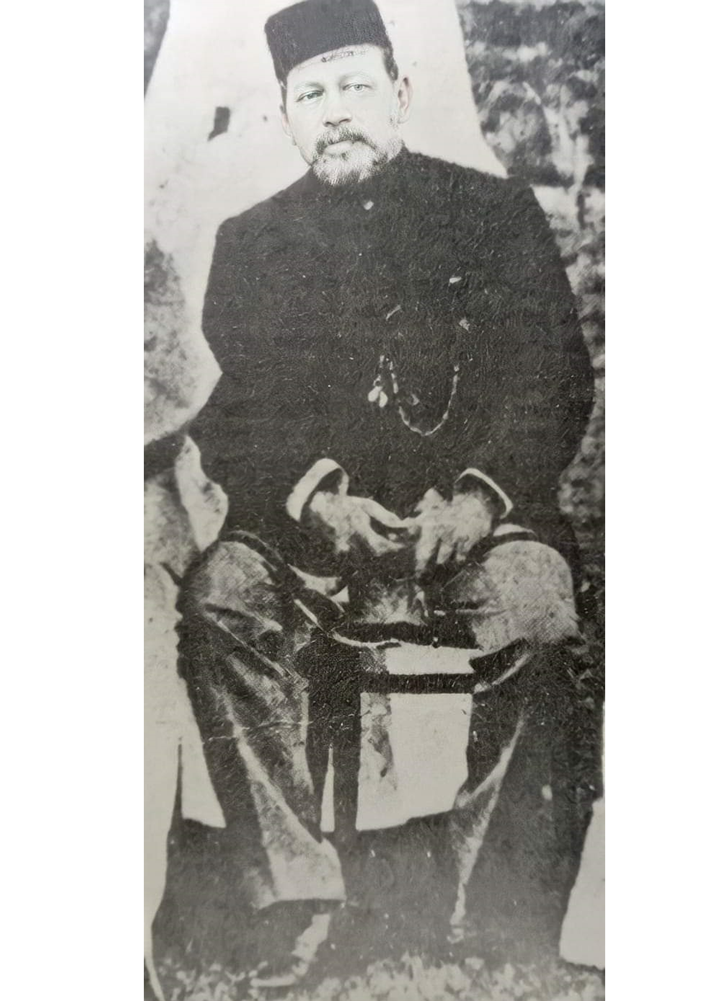
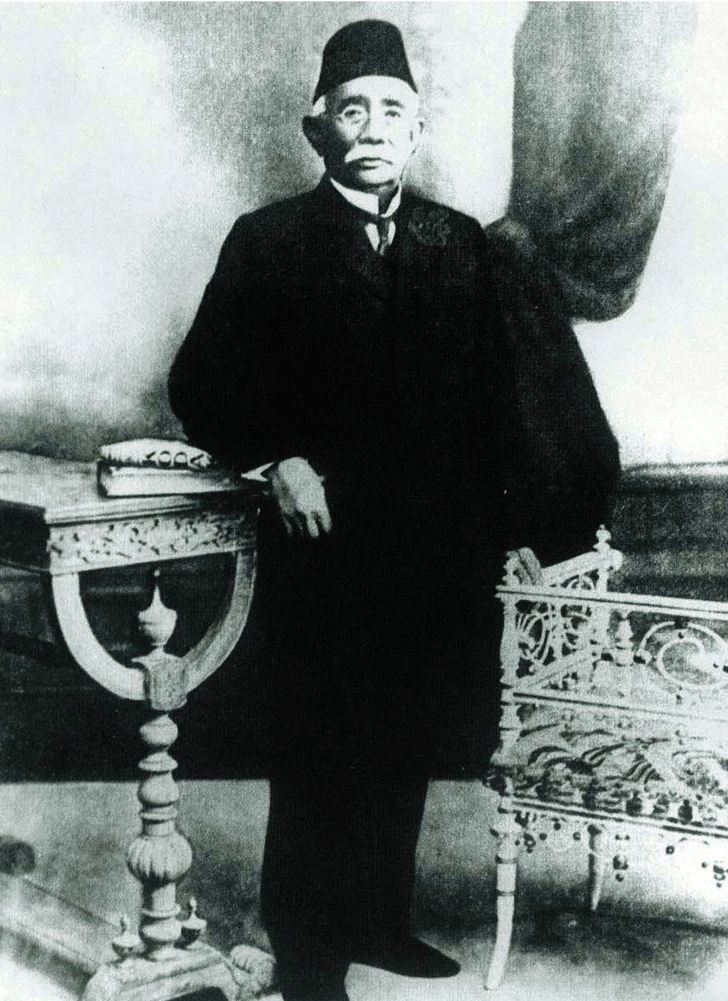
The Temenggong envisioned education, particularly English education, as it would be an asset to the development of his people and state. Towards this end, he sent his son Abu Bakar and his siblings, and sons of his loyal followers, to Keasbery College, a Catholic institution in Singapore, to acquire knowledge and be proficient in English. Among Abu Bakar's contemporaries were Jaafar bin Mohamad, Mohamad Saleh bin Perang and Ibrahim Abdullah Munshi, who later would become members of his cabinet. Education was, therefore, an important contributor to the modernization of Johor.

The Catalyst Of Modern Johor
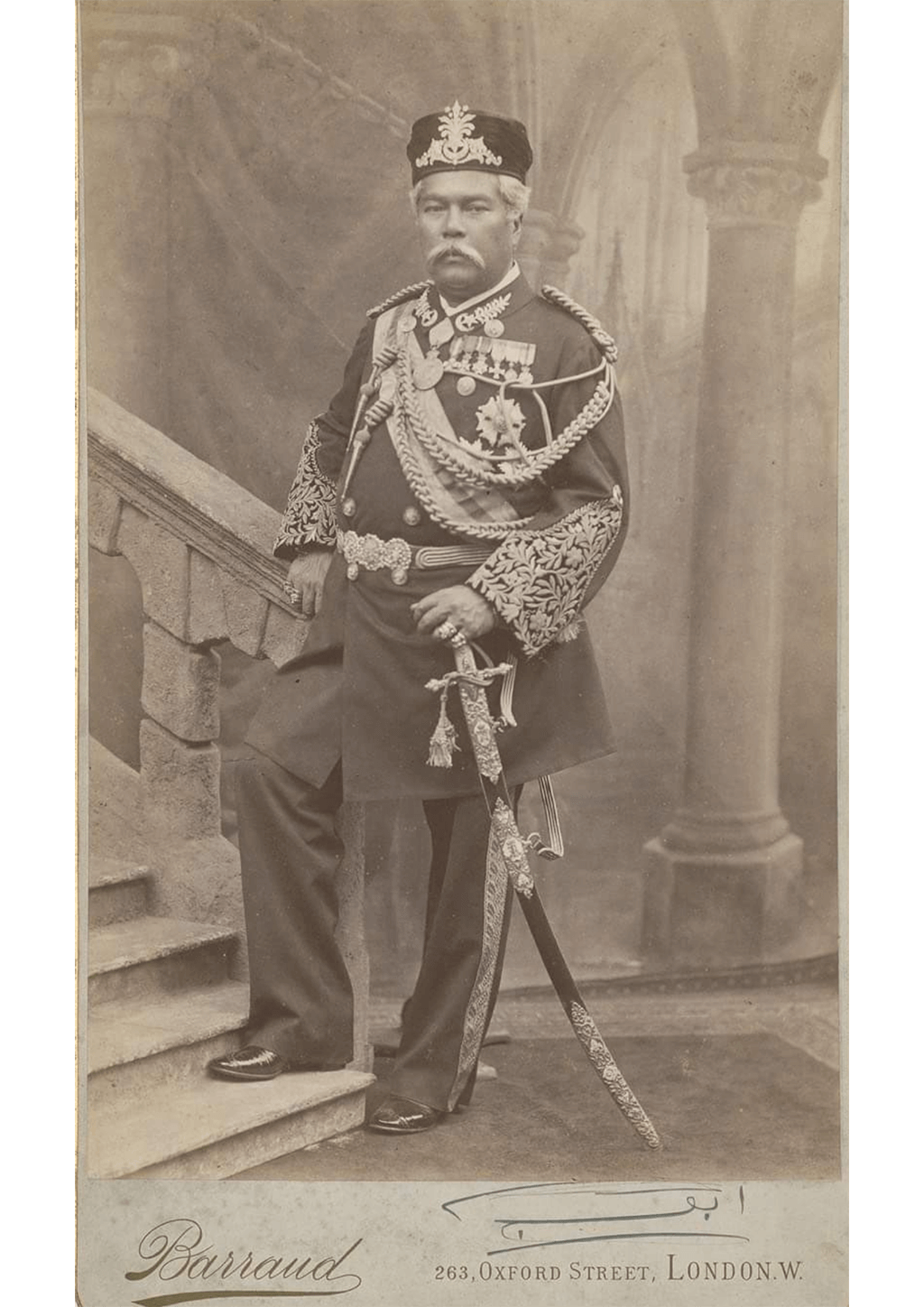
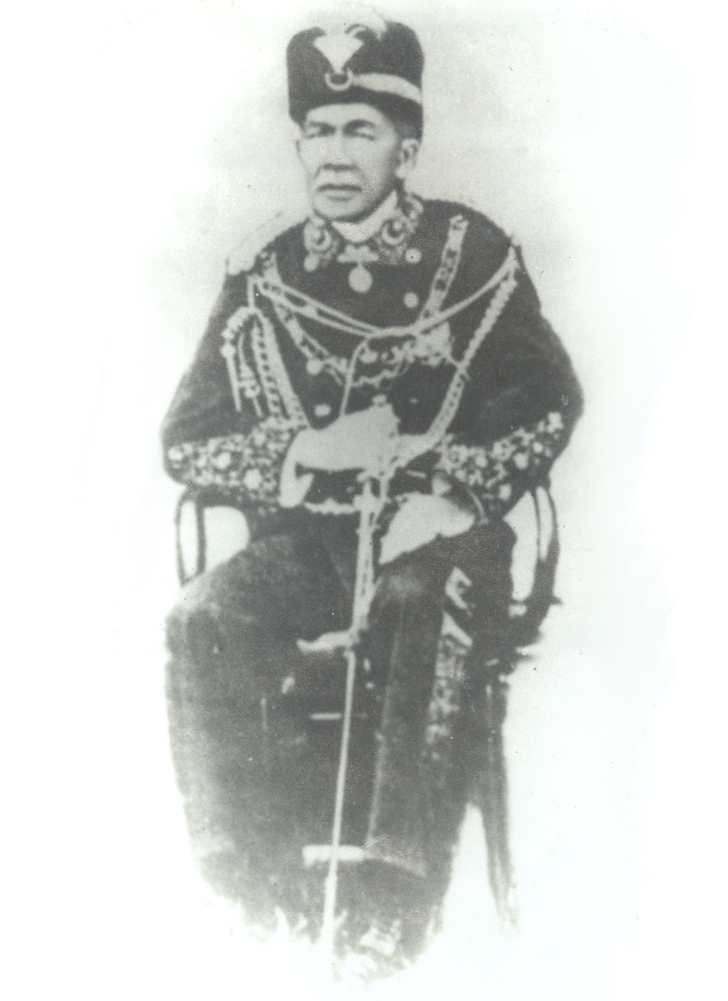
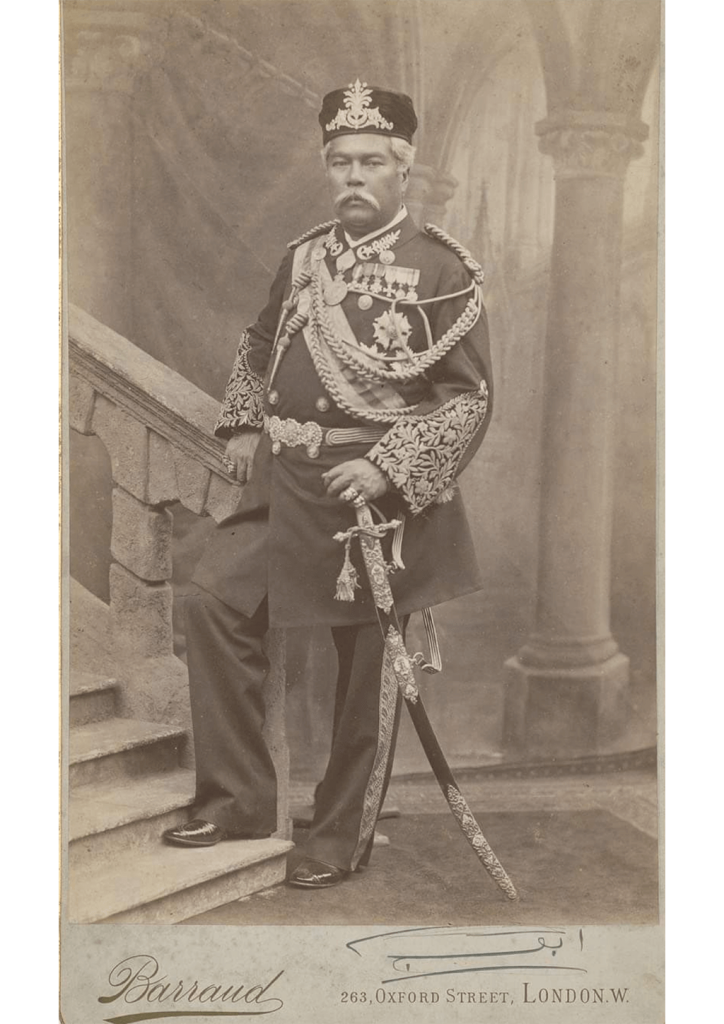
Maharaja Abu Bakar is regarded as the catalyst for the modernization of Johor. Equipped with English and Malay education and adopting the humility of Islam, together with a charismatic disposition and an awareness of the British forward movement, he planned counter-strategies to protect his state.
Johor Government Bureaucracy
In 1852 the Temenggong established a bureaucracy of government for Johor when he set up an office for himself, an office for his heir Abu Bakar, and an office for Enche' Long Menteri, who was unofficially regarded as the first Menteri Besar, at Istana Bukit Aur, Telok Belanga, Singapore. Therefore, it is pertinent to note that the state's administrative service originated from the palace. With the transfer of ownership of Johor to the Temenggong on 10th March 1855, the British recognized him as Dato' Temenggong Sri Maharaja Johor. As a result, many of his people migrated to mainland Johor as they did not wish to be subjected to English law in Singapore, which they felt was oppressive.
With the increase in population at Iskandar Puteri, the administration was moved to the settlement in 1858 and was administered by Raja Ahmad (Raja Kecil) as the Temenggong's official representative. In 1868 Maharaja Abu Bakar expanded the administration by setting up more offices like the treasury, customs, land and survey, agriculture, police, courts of law, religious office, health and medical, and education offices to meet the expectations of the population.
First Visit to England
Abu Bakar embarked on a series of visits to England, the first in 1866, with many objectives.
First: He established close relations with the British monarchy to gain international recognition for himself and Johor, which would result in the colonial government in Singapore holding him in high esteem so as not to incur the displeasure of the Queen.
Second: He introduced Johor to the world for international trade and political purposes.
Third: He toured England and Europe with an eye for his people, observing its culture, progress and political development for possible adaptation to Johor.

 English
  Malay
Malay