
The History of Modern Johor

The History of Modern Johor

The signing of the Treaty of Friendship on 10 March 1855 marked the beginning of modern Johor in the field of administration, economy, politics and social development under the charismatic and dedicated leadership of the Sultanate that created its unique history. With authority and wisdom, the Sultanate of Johor has managed to rule fairly and equitably by putting the people first, with no race being left out and practising an attitude of tolerance of religion, race and culture.

The Sultanate of Johor displayed a superior aura of respect and majesty as well as manifesting its charisma, which translates into sovereignty (kedaulatan). This is an intrinsic virtue that describes the King ruling fairly and equitably. The subjects look up to the King as a symbol of justice and mercy that protects them.
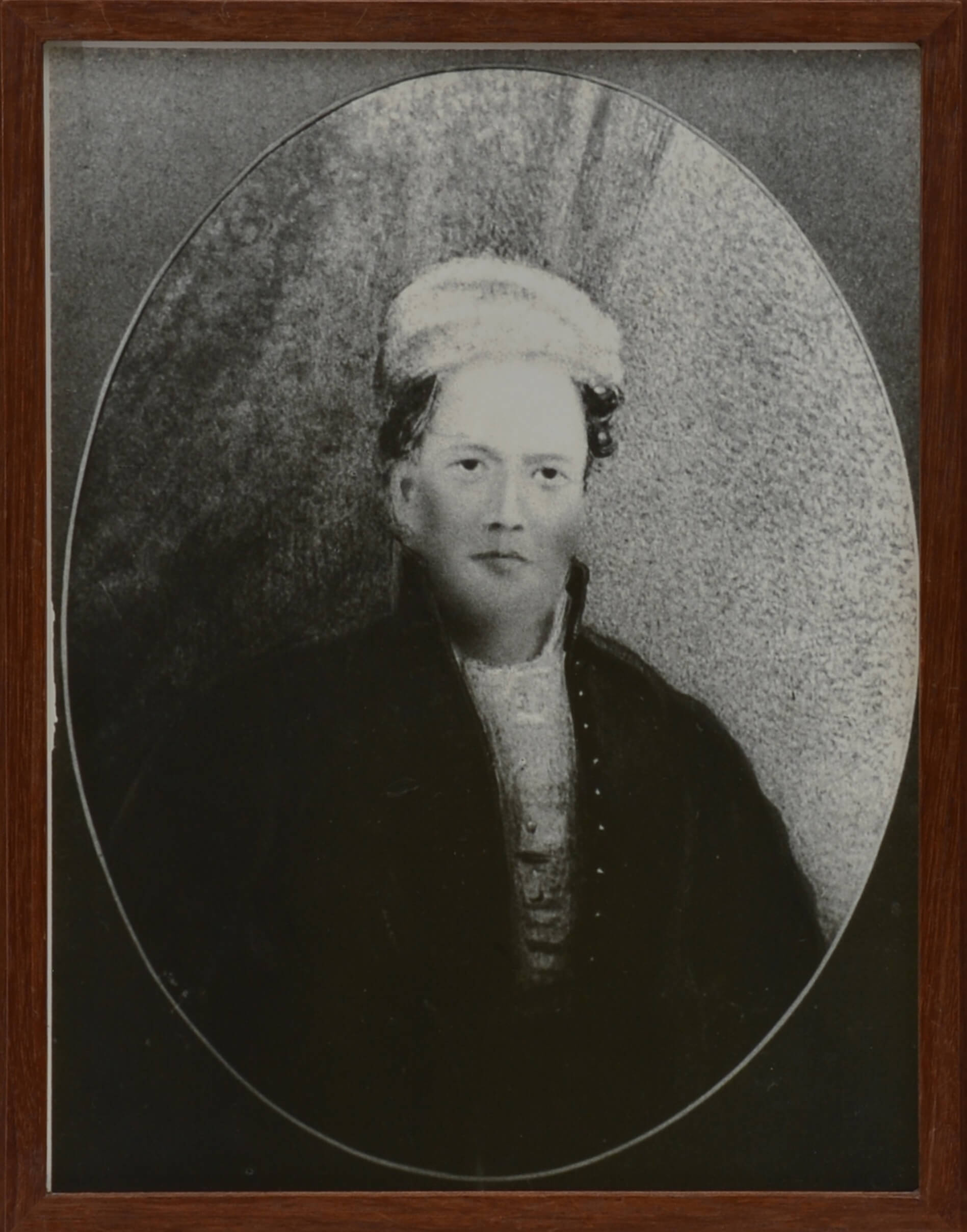
Portrait of Dato' Temenggong Tun Daeng Ibrahim bin Daeng Abdul Rahman. (Source: The Royal Abu Bakar Museum)

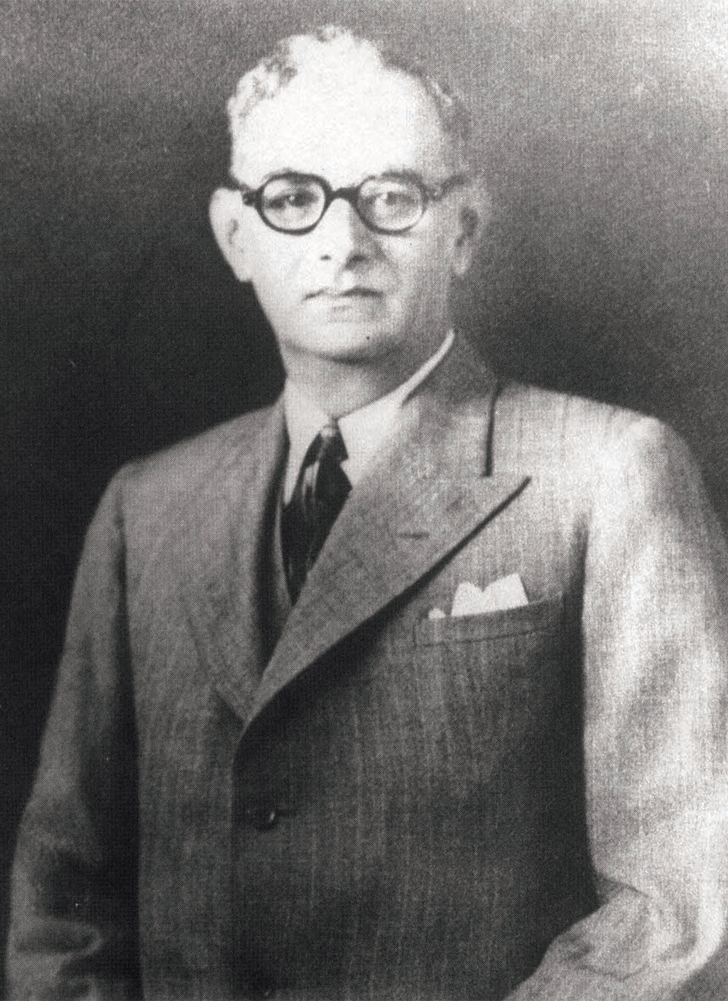
Dato' Onn bin Jaafar (7th Menteri Besar Johor). (Source: The Royal Abu Bakar Museum)

Under the excellent leadership of the King, the people have shown unwavering loyalty and built a solid identity, courage, discipline and dignity to jointly defend the independence and sovereignty of the state while developing the State of Johor.

This transcended to the period of Modern Johor when the Sultanate created precedence over other States in advanced administration and management, technical innovations, internal reforms, and placing Johor on the world map. These factors contributed to the expression "Proud of Johor" (Kesombongan Johor) coined by Dato' Onn Jaafar, which means that the people of Johor feel proud of the role of the Sultanate and his ability and leadership in advancing the state and the people.

A good and early example of the perseverance, courage and identity of the Sultanate and the people of Johor was evident in their pioneering spirit when they explored the wilderness of the Johor mainland, which at that time had the economic potential to be developed. Without regard to their safety facing the threat of unknown dangers and wild animals, they exploited the jungle for timber, wild fruits, amber, honey, rattan and gutta-percha that became part of the commodities for barter trade.

Sultan Abu Bakar honoured and etched their pioneering spirit and bravery in red as part of the colour of the Johor flag. His courage and bravery transcended to Sultan Sir Ibrahim, whose trust unto Allah SWT bravely faced the Sepoy (Muslim members of the Indian army) mutineers unarmed in 1911. The fully armed mutineers who had escaped from Singapore to Johor surrendered, placed firearms at his feet, and kissed his hands

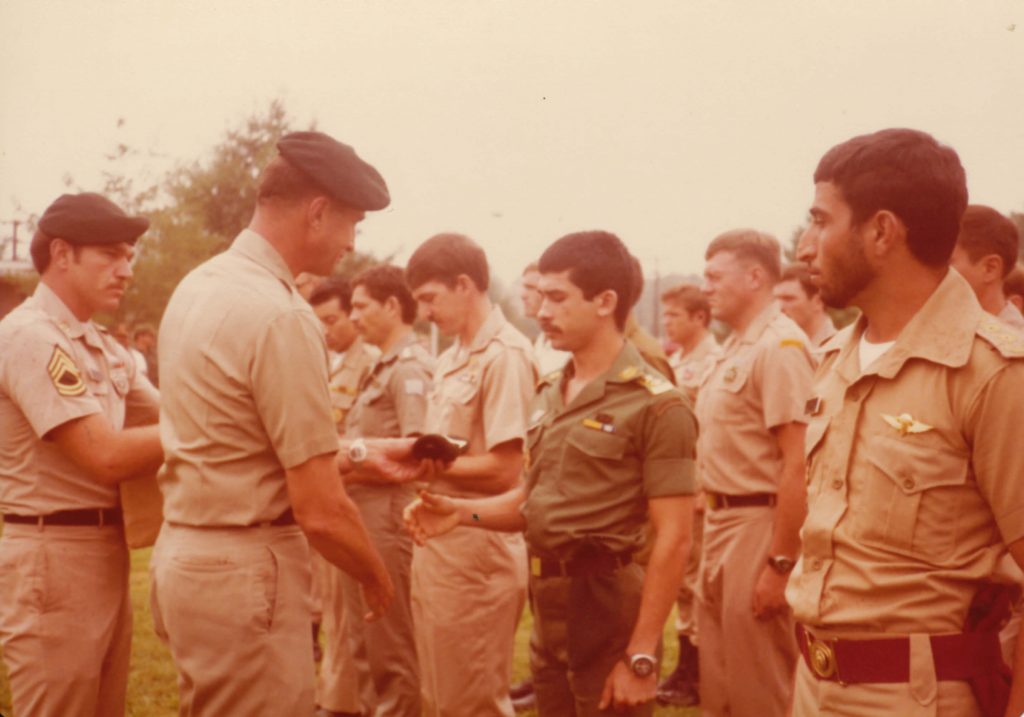
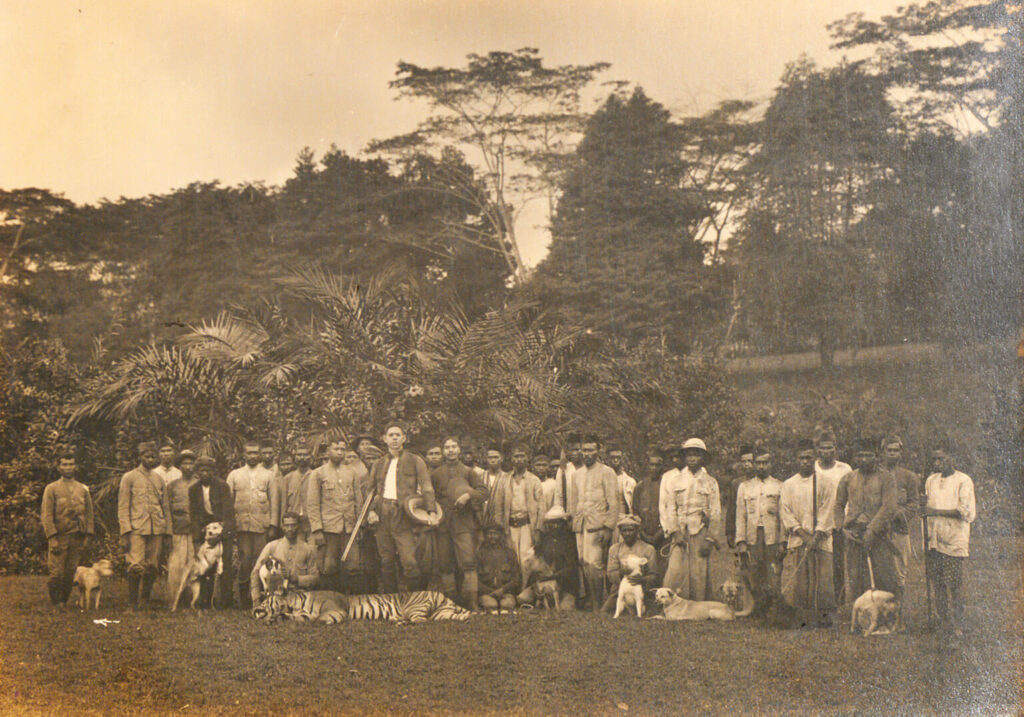
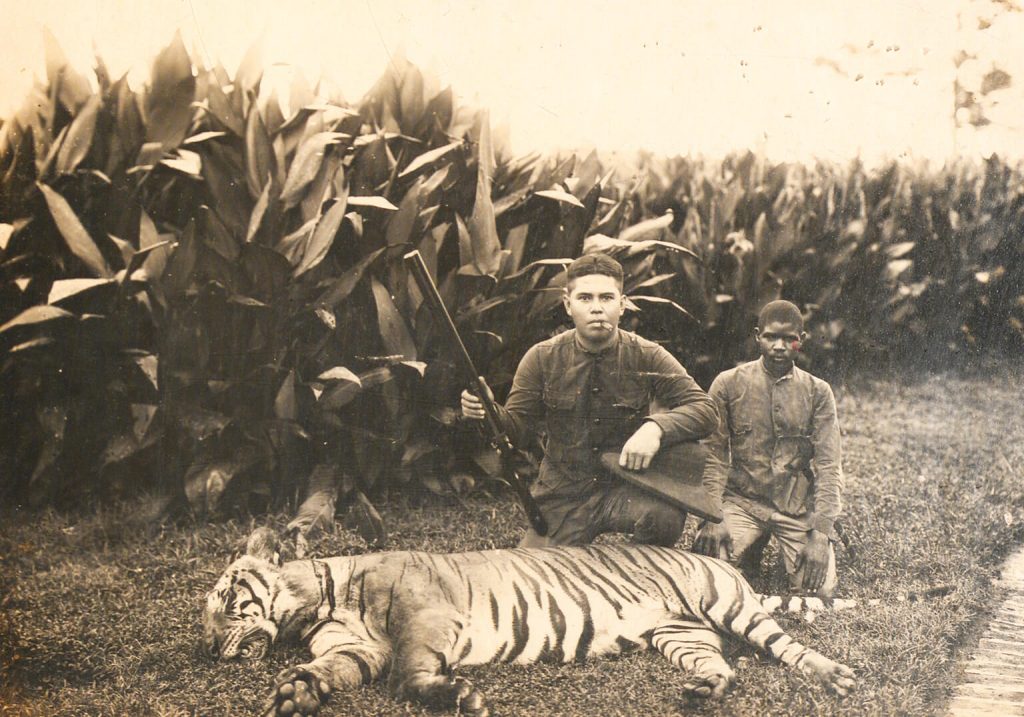
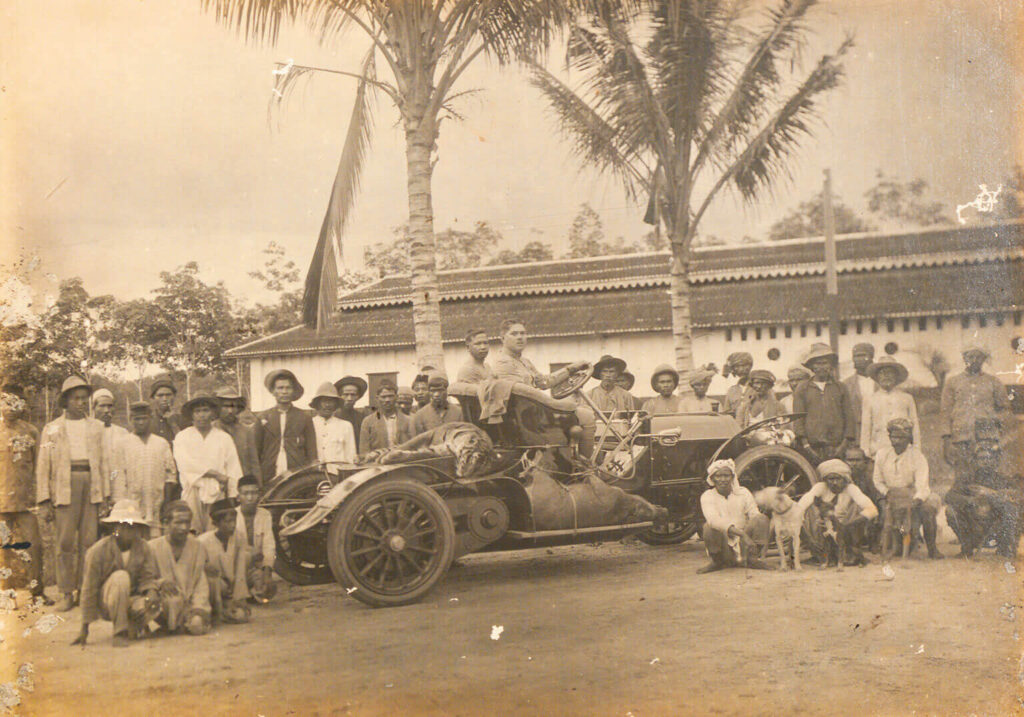
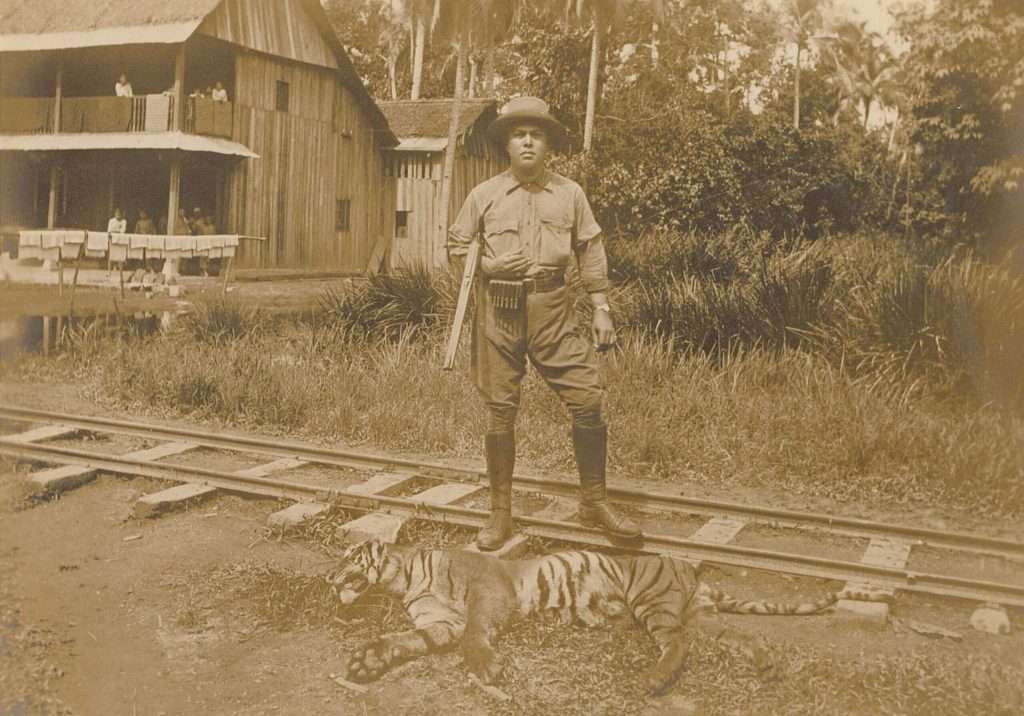
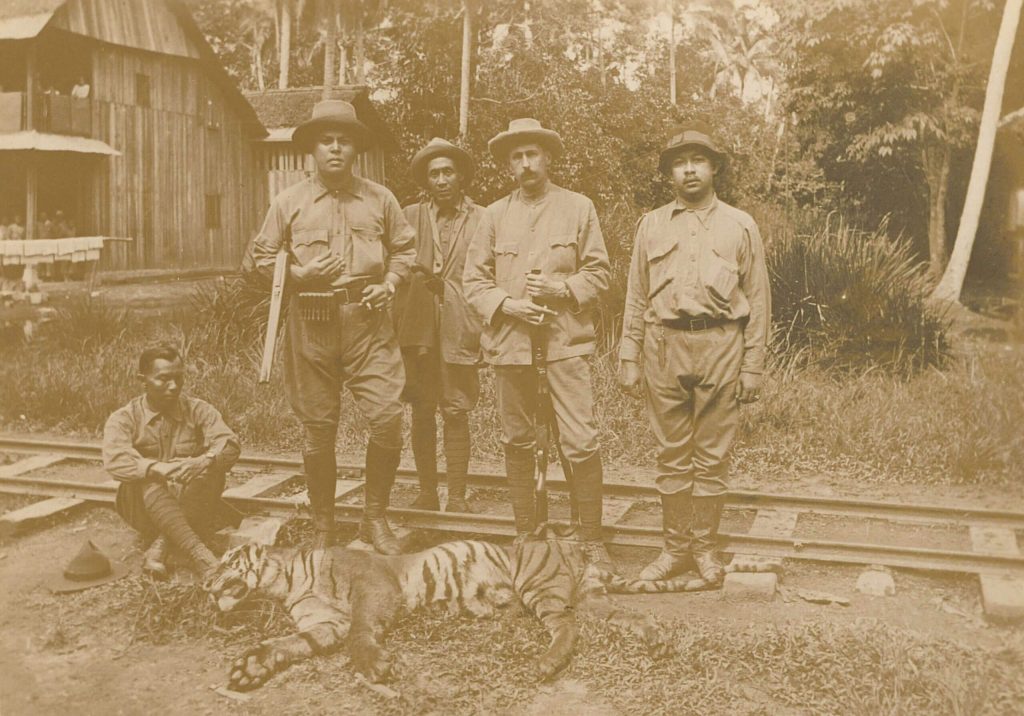
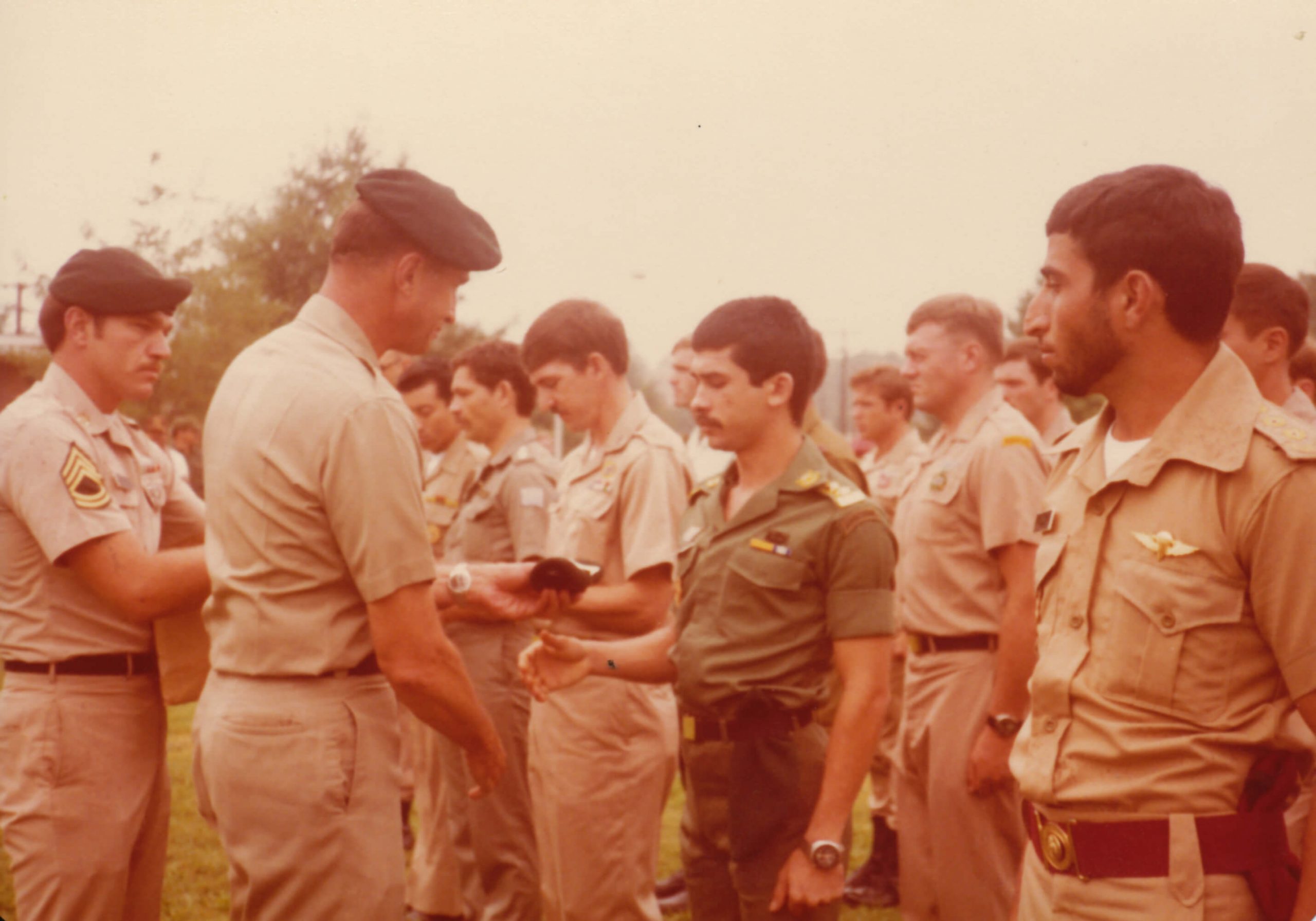
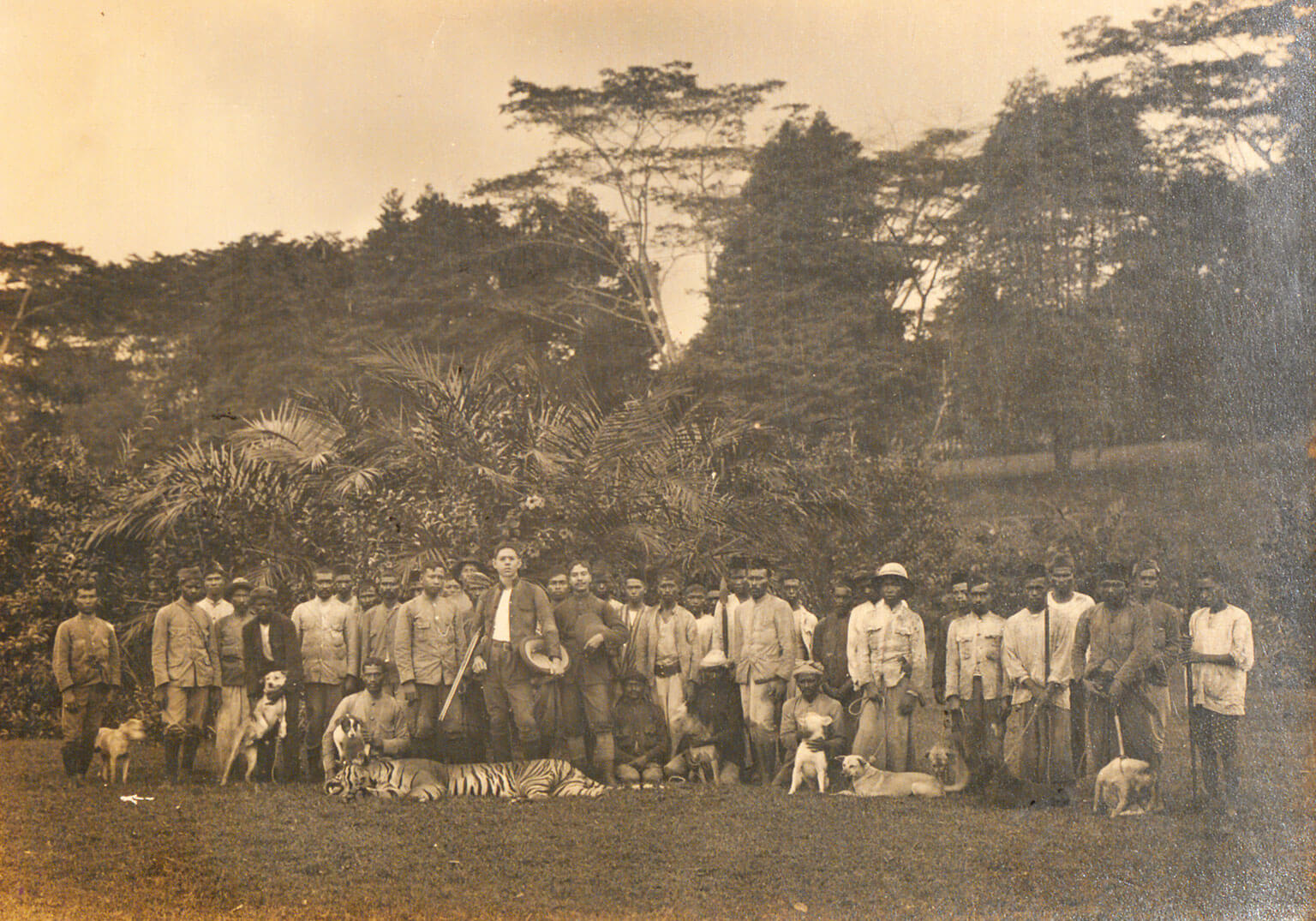
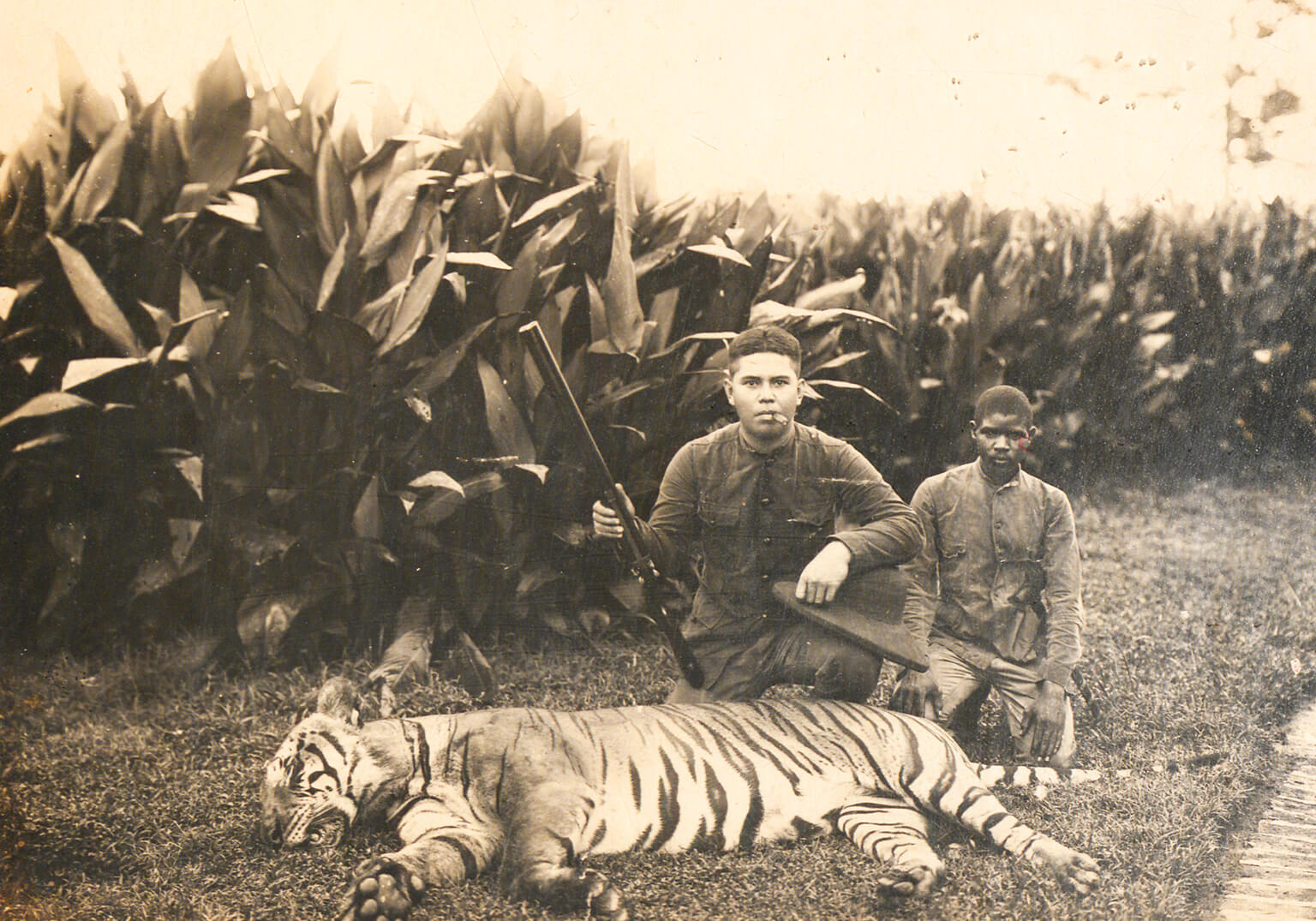
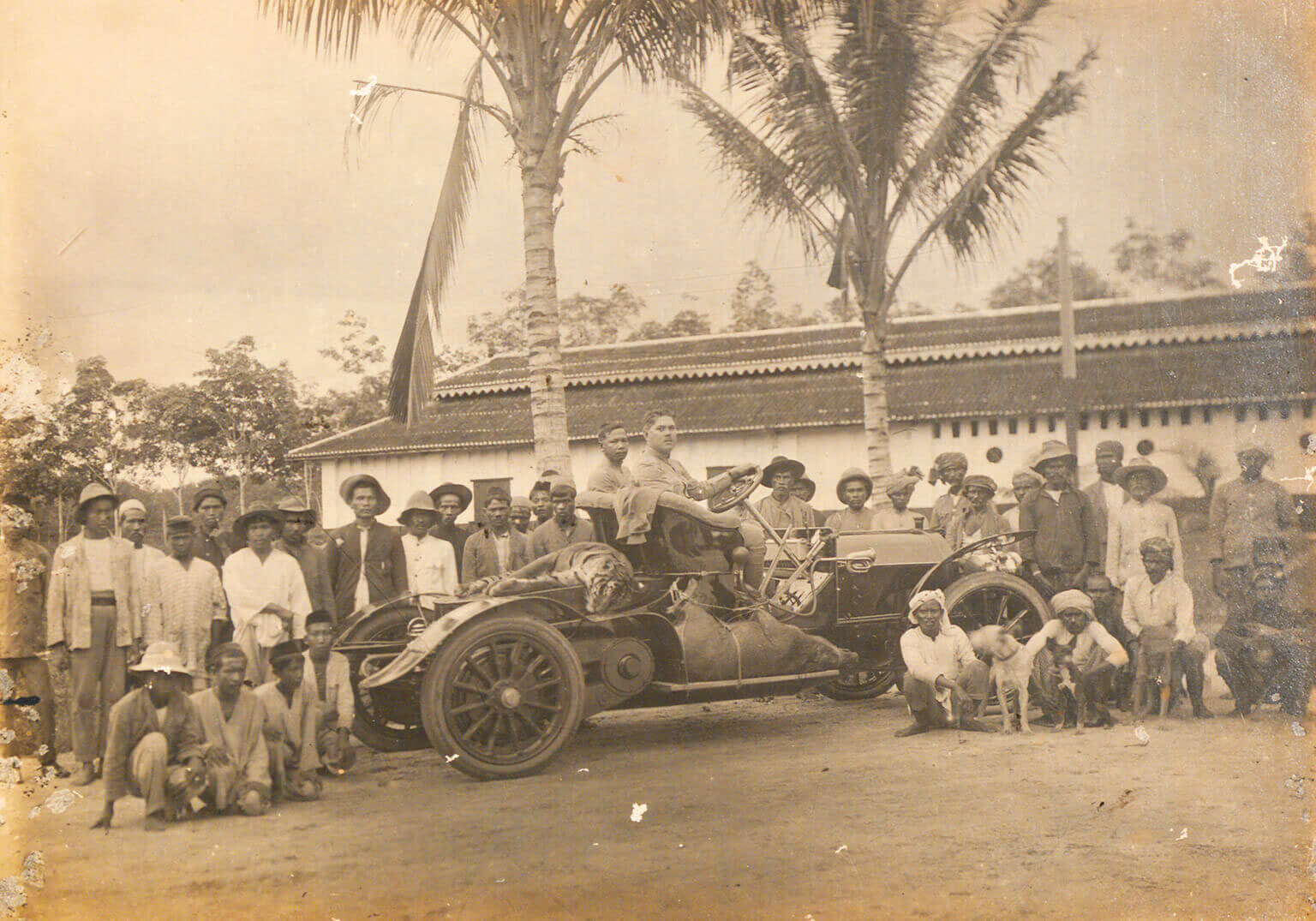
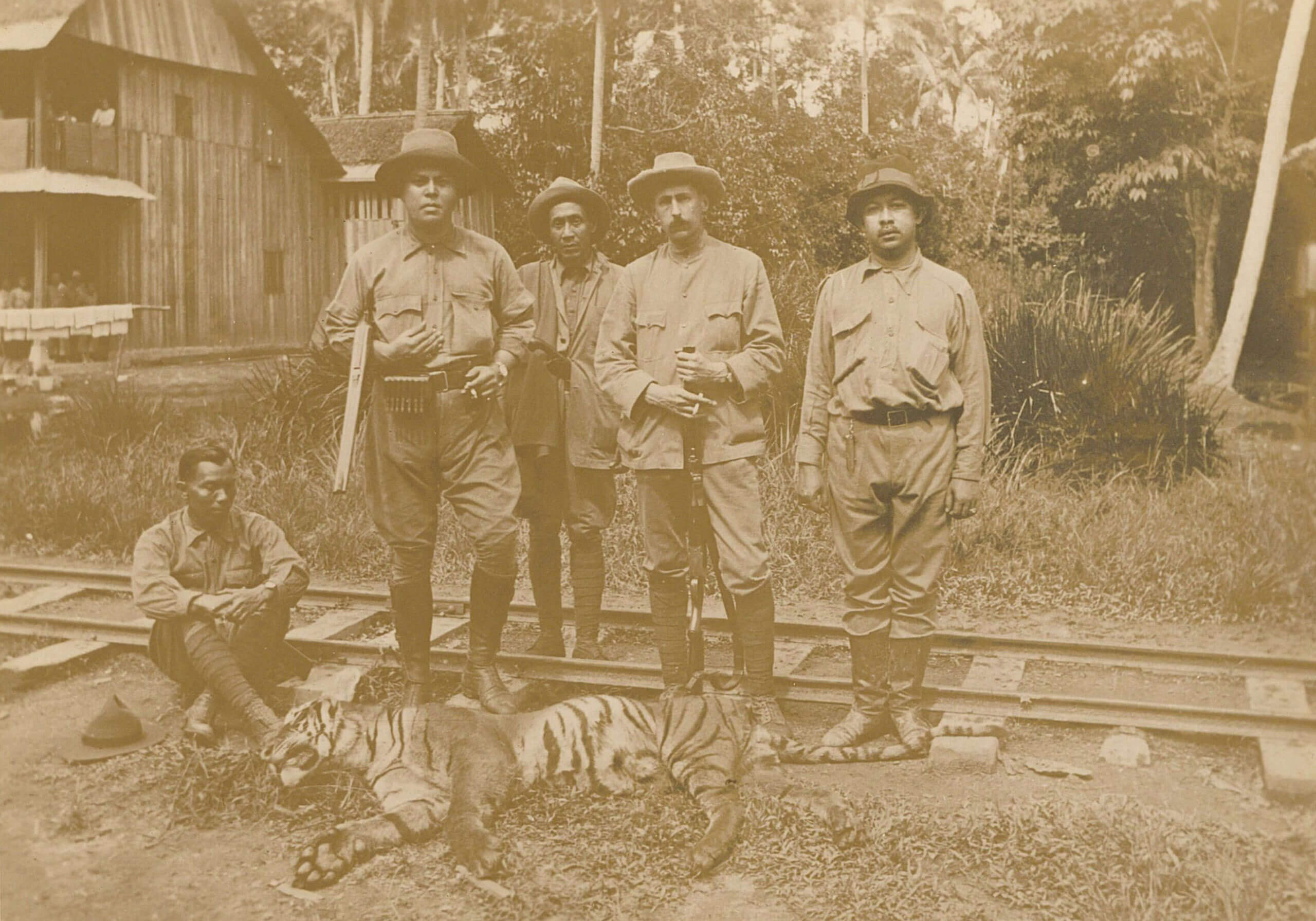
A big game hunter Sir Ibrahim exhibited bravado and courage by shooting tigers not from trees or atop elephants but heads-on just before they pounced. His Majesty Sultan Ibrahim made 19 parachute jumps (including 7-night jumps) to qualify for a special forces Green Beret. Precision and critical decision-making are reflected in the stars' sharpness in the Johor flag.

Anda tidak dibenarkan menyalin semula kandungan ini

en_GBEnglish