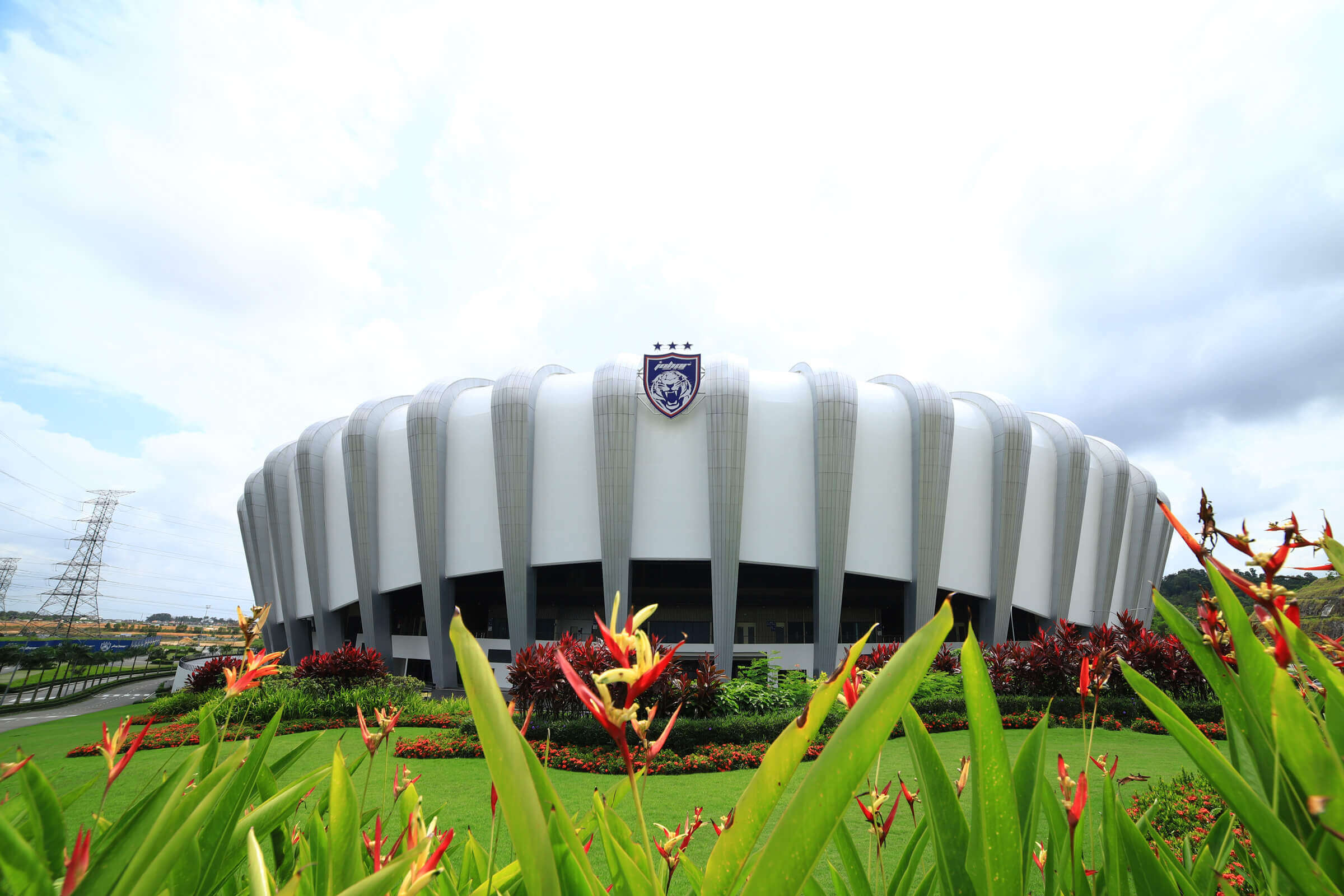

Since the 10th and 11th centuries, Majapahit and Sri Vijaya Johor were well-known among sailors and merchant traders. They named Johor "Wurawari" and "Gangga Ayu" in Javanese to mean clear or clean water. Johor was also known as "Galuh" or gem. The Arabs gave the name "Jauhar", meaning jewel. Its location at the end of the Malay Peninsula gave it an appropriate representation of the term "Ujung Tanah" or "Ujung Medini", meaning Land at the end. Whatever it is called, Johor is a maritime state strategically located at the crossroads of trade and shipping routes through the Straits of Melaka and known to merchants from the West, including the British, Dutch and Portuguese, Middle East Arabia and India, and the far East including China and Indonesia. They were initially involved in the spice and barter trade and progressed to international trade. Johor's strategic location attracted foreign powers for control of trade, authority and politics.
Johor In The Eyes Of The World
The Beginning of International Trade
In the early years, the barter trade in Johor involved exchanging forest produce like timber, gutta-percha, rattan, amber, coconuts, fruits, and honey. From 1840 pepper (Piper Nigrum) and gambier (Uncara Gambier) accounted for the bulk of Johor's export to China and Europe. The opening of the Suez Canal in 1865 was an added boon to Johor's exports. Gambier products were used in China to soften animal hides to be turned into leather beltings for machinery. Indirectly, Johor contributed to the industrial revolution in China. Gambier and pepper were cultivated as a commercial joint venture by the Temenggong and the Chinese, and at one time, they held the monopoly of the trade of the commodities.
Iron ore mining activities in Sri Medan, Batu Pahat, started during the Reign of Sultan Abu Bakar and were operated by a Japanese company. The iron ore was exported to Japan. The iron ore mining industry increased from 1910 with the opening of mines in Bukit Kepong, Muar, Kota Tinggi, and Pengerang. Johor's iron ore was reputed to be of high quality and has attracted the attention of Japanese entrepreneurs, who gladly received Abu Bakar and Sultan Ibrahim, respectively, during their visits to the Land of the Rising Sun.
History Of Foreign Relations
One of the features of the reign of the Johor Sultanate is the initiative to introduce changes in order to place Johor on the world stage. With the advantage of an English education and an awareness of economic and political sensitivities that can impact the progress of the state and its people, the Johor Sultanate embarked on strategies to enter the world arena and gain international recognition. It can be said the beginning of Johor's foreign relations and international recognition started when Temenggong Daeng Ibrahim successfully annihilated piracy in the Singapore and Riau waters and provided security coverage to British merchant shipping. In 1824 Queen Victoria awarded the Temenggong with a golden sword in recognition of his courage and bravery. The British later appointed the Temenggong as a political and diplomatic emissary in peace negotiations that arose from conflicts of succession to the thrones of Selangor and Pahang. In 1875, the British appointed Maharaja Abu Bakar as their diplomatic representative to resolve the dispute that erupted after the assassination of J. W Birch in Perak. Abu Bakar was also appointed as advisor to the rulers of Sri Menanti, Jelebu and Rembau in Negeri Sembilan to resolve disputes between the leaders. Abu Bakar's diplomatic ability and success earned him the recognition of Queen Victoria, who awarded him the honorary Knight Grand Cross of the Order of Saint Michael and Saint George (GCMG) and a state sword. Significantly, the services of the Temenggong and Abu Bakar earned themselves and Johor recognition from the British and the world.
Putting Johor On The World Stage
Johor's entry into the world stage was enhanced after Maharaja Abu Bakar's maiden voyage to London in 1866 and subsequently to Europe and the Far East. Altogether, he made seven voyages (1878, 1885, 1889, 1893, and 1895 to Europe and the Middle East), and between 1881 and 1883 to Java, Saigon, Hong Kong, China and Japan. The voyages had several purposes, firstly to introduce Johor to the world. Secondly, Abu Bakar wanted to gain support and sympathy in his quest for the title of Sultan. Thirdly, Abu Bakar wished to gain political support from foreign governments for Johor's independence, security and progress because, at that time, the British had placed many Malay States under their control and planned to do the same to Johor. Fourthly, Abu Bakar wanted to establish and expand international trade. Finally, the visits enabled Abu Bakar to witness the progress and development and bring back innovations and internal reforms for Johor and its people. As quoted by R.O.Winstedt, "Abu Bakar toured the country with an eye for his people". The British respected Sultan Abu Bakar's leadership due to his close friendship with Queen Victoria. However, feelings of jealousy and concern of the British increased when in 1886, Sultan Abu Bakar established The Johor Advisory Board in London, which was made up of former influential British officials.
Indirectly the Board advises Abu Bakar and embarks on strategies against the British forward movement without being subject to British interference. Abu Bakar's initiatives and subsequent actions earned him the moniker "Father of Modern Johor" and made him a global personality. As a strategy and effort to strengthen and improve international trade, the Johor government of Abu Bakar participated in the International Exhibition of 1862 United Kingdom, Paris Universalle 1867, Melbourne 1878, Calcutta 1883, Adelaide Jubilee Exhibition 1887 and World Colombia Exhibition Chicago 1893. Sultan Ibrahim continued this effort when Johor participated in the world trade fair at Golden Gate International Exposition San Francisco in 1933. The success of Johor's participation was not only the brainchild of Abu Bakar but equally important was the officers' ability to plan and execute the logistics and documentation given the distances and mode of transportation. Moreover, it proved Johor's civil servants were directly involved in external relations during his reign.
Cordial bilateral relations were forged when Abu Bakar was accorded a warm welcome and honoured during his visits to British and European courts like Romania, Italy, the Vatican City, the Middle East like Egypt and Turkey and Far Eastern royal courts including Japan. He was the first Malay and the first Malay Ruler to receive an audience with Pope Leo XIII at the Vatican in 1893 for his tolerance to Christianity when he granted land on a perpetual tenure to the Catholics in Johor to establish the Church of the Immaculate Conception. To honour his visits, the royal courts of the countries he visited conferred him various orders of chivalry, among which were:
- Knight Commander Order of the Star of India (KCSI) British (1876)
- Knight Grand Cross Order of St Michael and St George (GCMG) British (23 Aug 1876)
- First Class Order of the Crown of Prussia (1880)
- Knight Grand Cross Royal Order of Kalakaua (Hawaii) 1881
- Grand Cordon of the Order of the Rising Sun (Japan) 1883
- Knight Grand Cross of the Order of Crown of Italy (Italy) 1885
- First Class Order of the Double Dragon (China) 1892
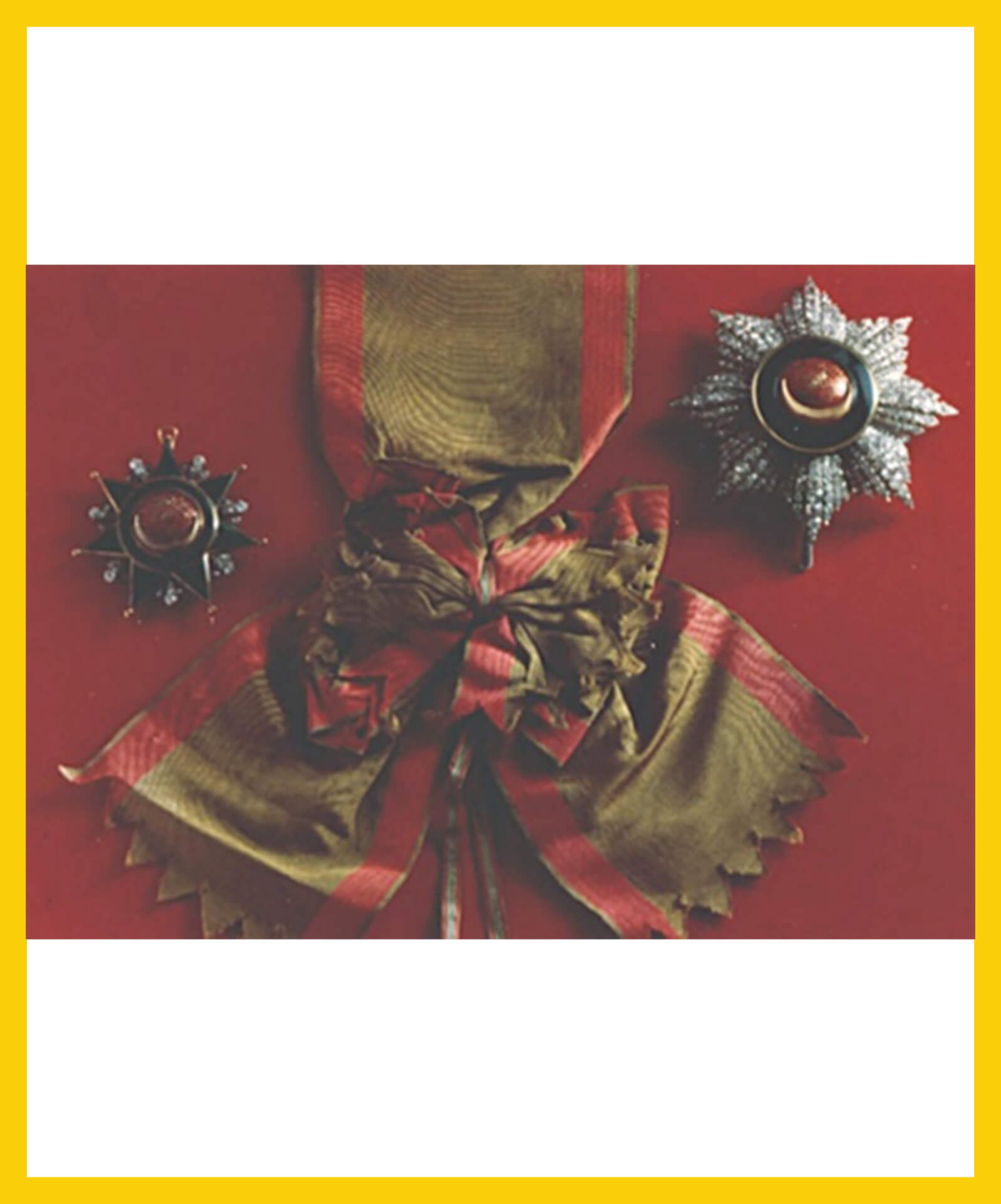
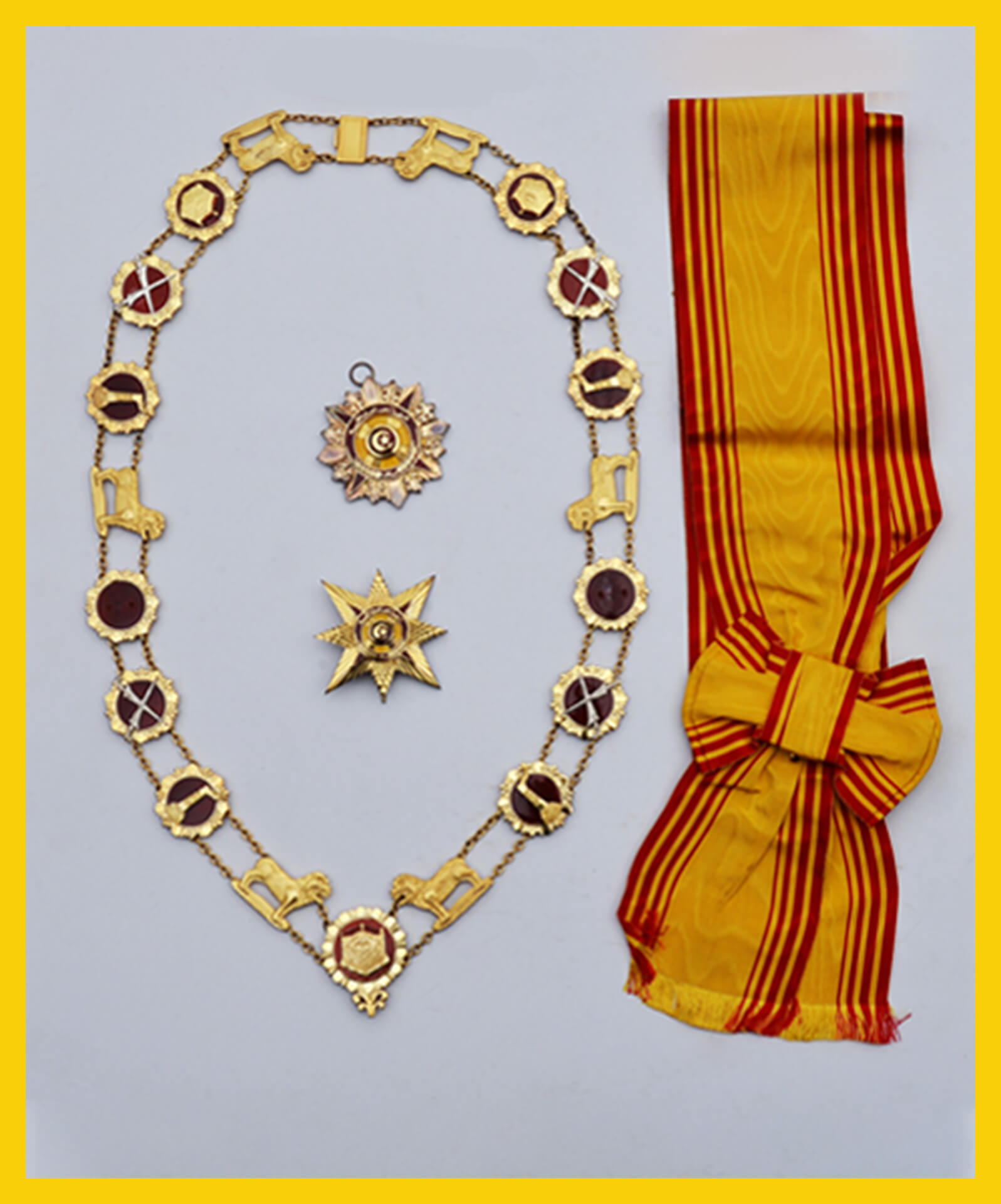
- First Class Imperial Order Of The Osmanieh (Turkey) 1893
- Saxe-Emestine House Order of Germany
- Order of the Iron Crown of Austria (1893)

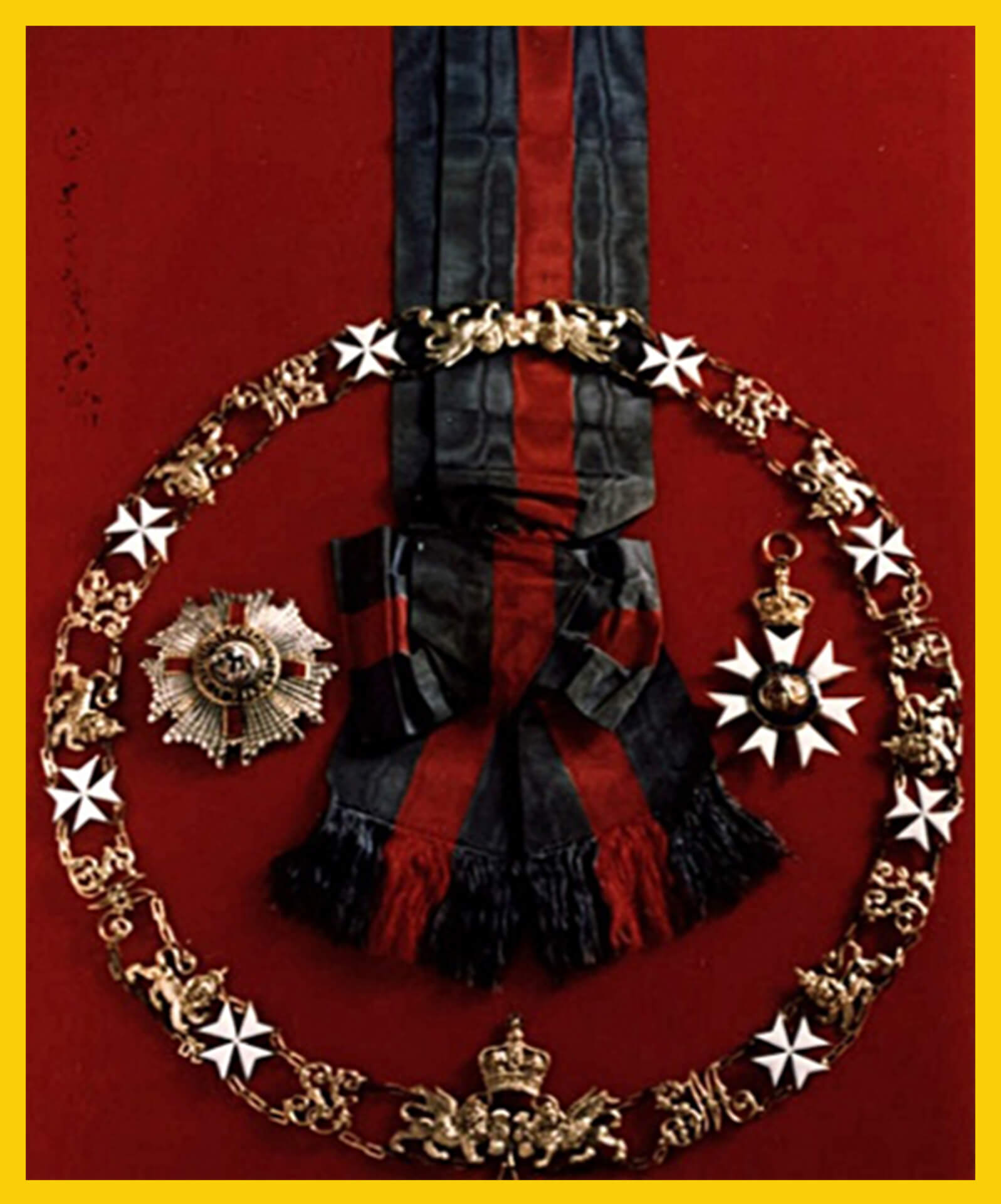


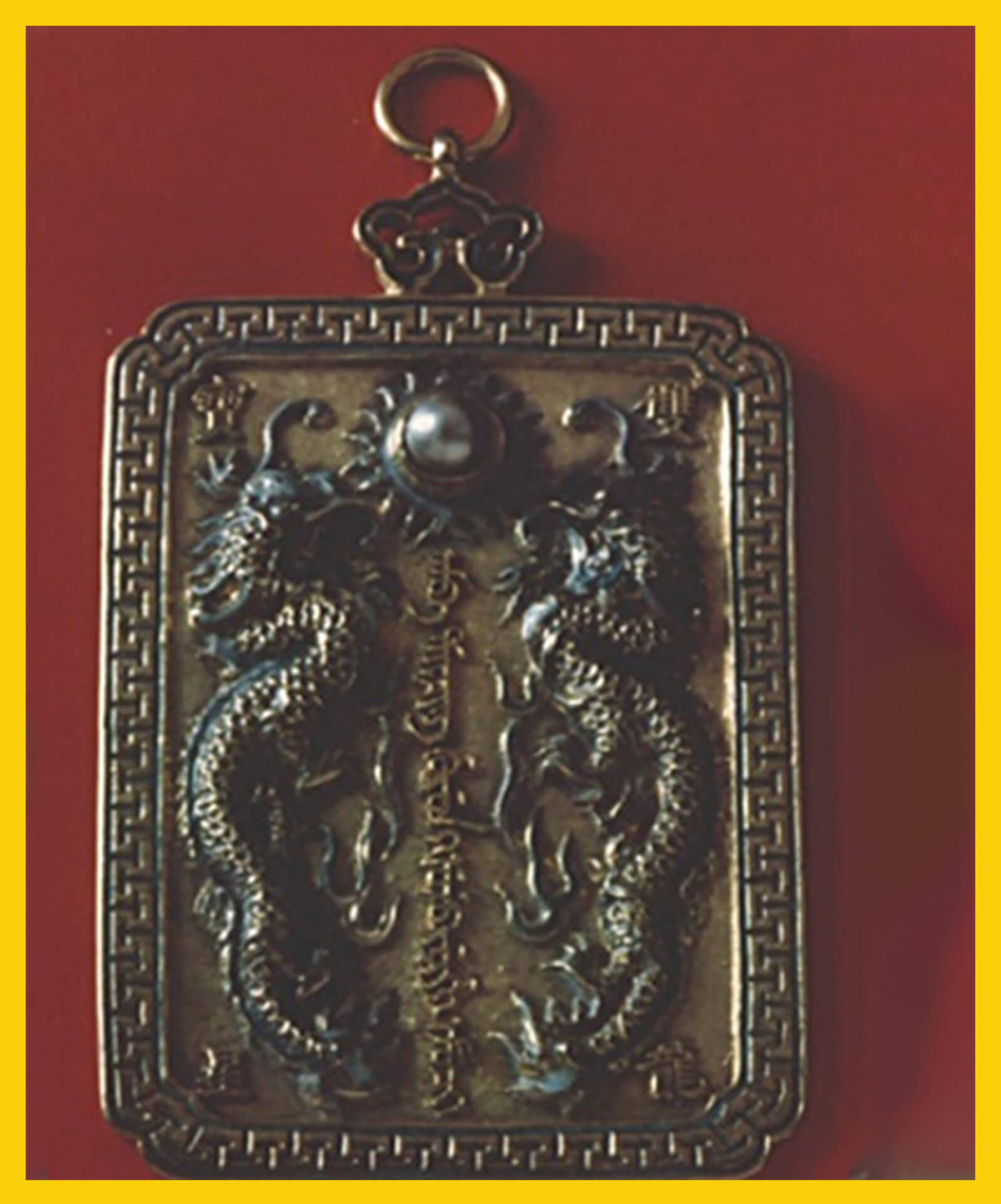
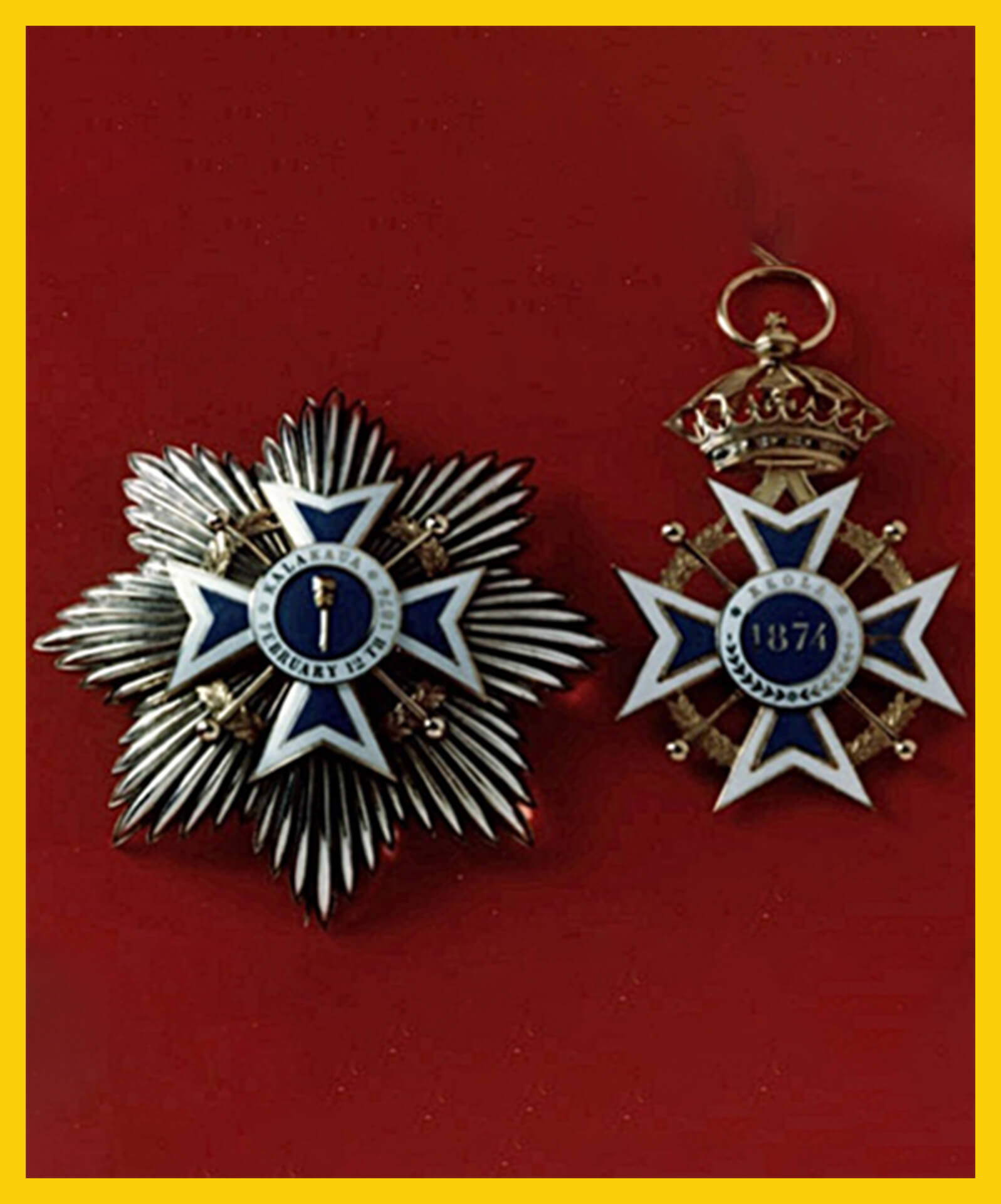
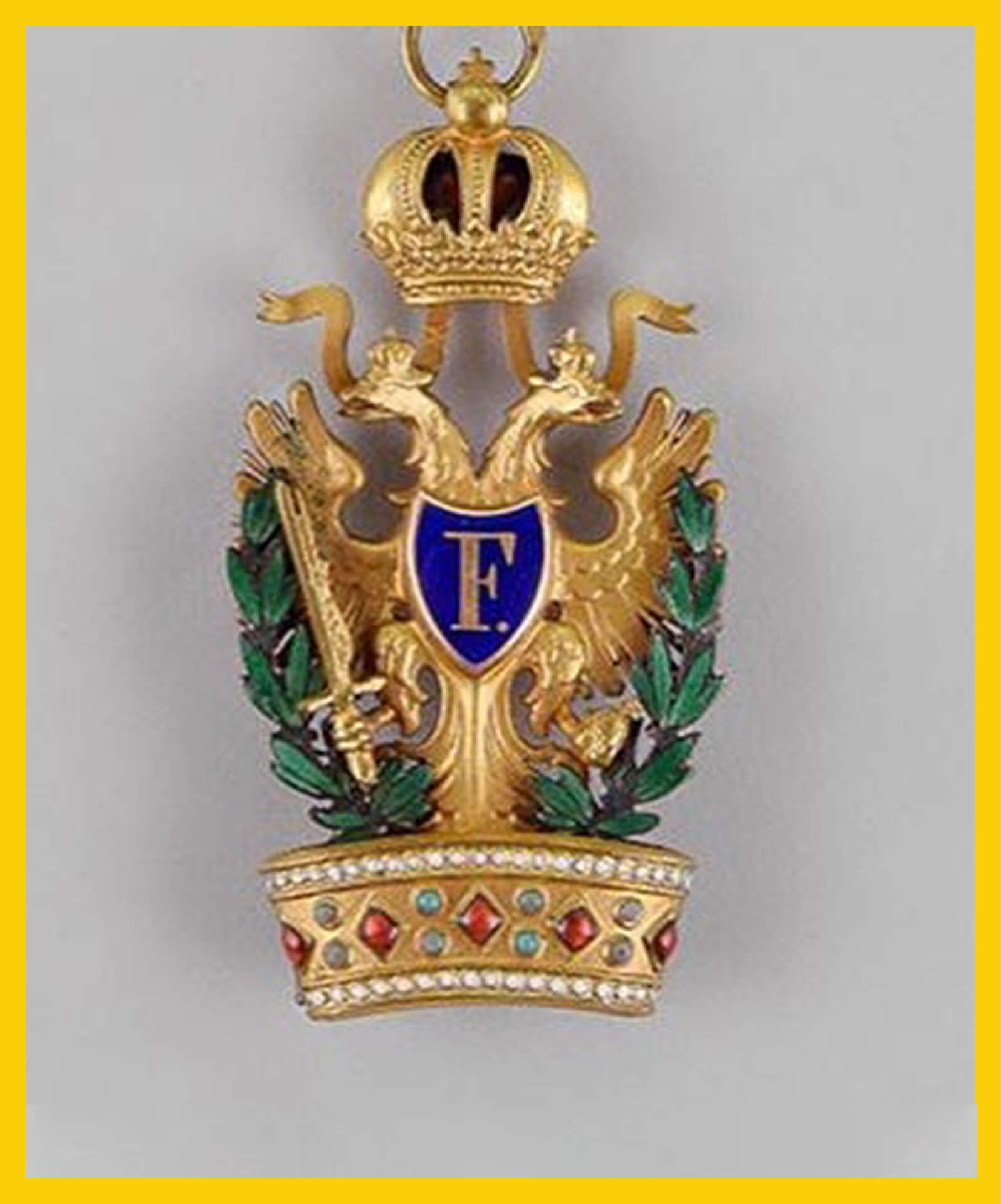

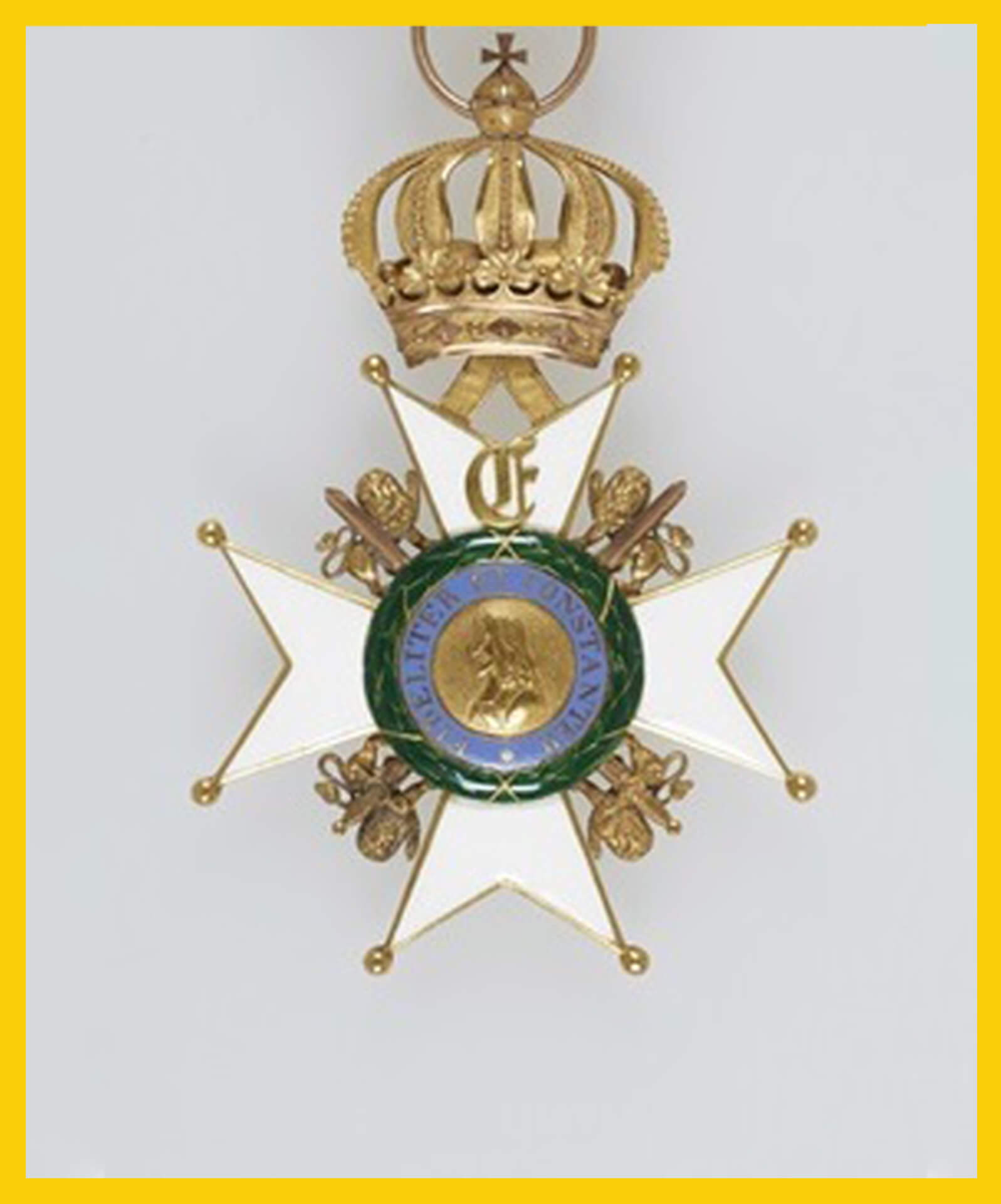
Abu Bakar reciprocated the hospitality and enhanced bilateral relations by inviting the monarchs to be his guests in Johor. He honoured the royal guests by conferring them the Johor Royal Family Order. During each visit, Abu Bakar feted them at state banquets at the Grand Palace. Later he would accompany them on a tour of Johor Bahru and visited his coffee and tea plantations. Before departing, he would present them with souvenirs of Johor, including a box of Johor Tea. Abu Bakar's hospitality enhanced his status and reputation and carved Johor's name on the world stage. Among his royal guests were:
- The Duke of Edinburgh 16 December 1869. Special steps were constructed for the Duke to step ashore and named Tangga Duke. The next day when accompanying the Duke on a tour of Johor Bahru, Abu Bakar honoured him by naming a road after the Duke (Jalan Duke)
- The Grand Duke Alexis Alexandrovich of Russia (1871)
- Prince Henry of Prussia (1880)
- King David Kalakua of Hawaii (1881)
- Prince Albert Victoria and Prince George of Wales (1882)
- The Duke of Sutherland (1888). Sultan Abu Bakar accompanied him to Muar
- The Archduke Francis Ferdinand of Austria (1893)
The cordial friendship of Abu Bakar and the foreign royalty was further enhanced when Abu Bakar conferred upon them the Johor Royal Family Order:
- Prince Bernherd of Saxcie Waymor (1888)
- Raja Ali Kelana Ibni Yang Dipertuan Muda Riau (1892)
- The Archduke Francis Ferdinand of Austria (1893)
- Prince Henry of Lichestaintine (1894)
- Prince Constantine Houe Heinioul Shelingsfurst (1894)
Continuity of External Relations
The role of the Sultanate in glorifying the state on the world stage and establishing cordial relations with foreign countries, as initiated by Abu Bakar, was later enshrined in Article 59 of the State Constitution, which states, "The Sovereign and the Government of Johor shall always and permanently remain in a state and condition of amity and good understanding with other States". Based on this spirit and advice, Sultan Sir Ibrahim continued his international relations by visiting England, Europe, Australia and the Far East. In 1905, he travelled to London to sign the Johor Railway Convention and negotiated with the British War Office for the placement of trainers and instructors for the JMF. Later in 1933, he travelled to Cambodia, Saigon, Haiphong, and Hong Kong. In 1934, Sultan Sir Ibrahim and Sultanah Helen embarked on a world trip to Hong Kong, Tokyo, Honolulu, San Francisco, Hollywood, Chicago, Washington, New York, London, Port Said and Algeria.
Following the footsteps of Abu Bakar, Ibrahim played hosts to foreign monarchs:
- King Chulalongkhorn of Siam (22 May 1896)
- Prince Henry of Prussia adinda kepada Kaiser of Germany (24 Feb 1898)
- The Duke and Duchess of Connaught (17 February 1907)
- Prince Carol, the future ruler of Romania (Julai 1920)
- King Rama of Siam (1924)
- King Prachadipok of Siam (1928)
- The Marquis Tokugawa of Japan (22 July 1929) (able to speak Malay and English)
- The Crown Prince Frederick of Denmark was accompanied by Prince Knud, Prince Axel and Princess Axel (1930)
For his effort to enhance bilateral ties, Sultan Ibrahim was honoured with the following orders of chivalry:
- Honorary Knight Cross Of The Most Distinguished Order of St Michael and St George (KCMG) British (1897)
- First Class Order of the Star of Osmanieh, Turkey (4 June 1898)
- Honorary Knight Grand Cross of the Most Distinguished Order of St Michael and St George (GCMG) British (1916)
- Honorary Knight Cross Of the Most Excellent Order of the British Empire (KBE) (Military) (1919)
- First Class Order of the Crown of Romania (1920)
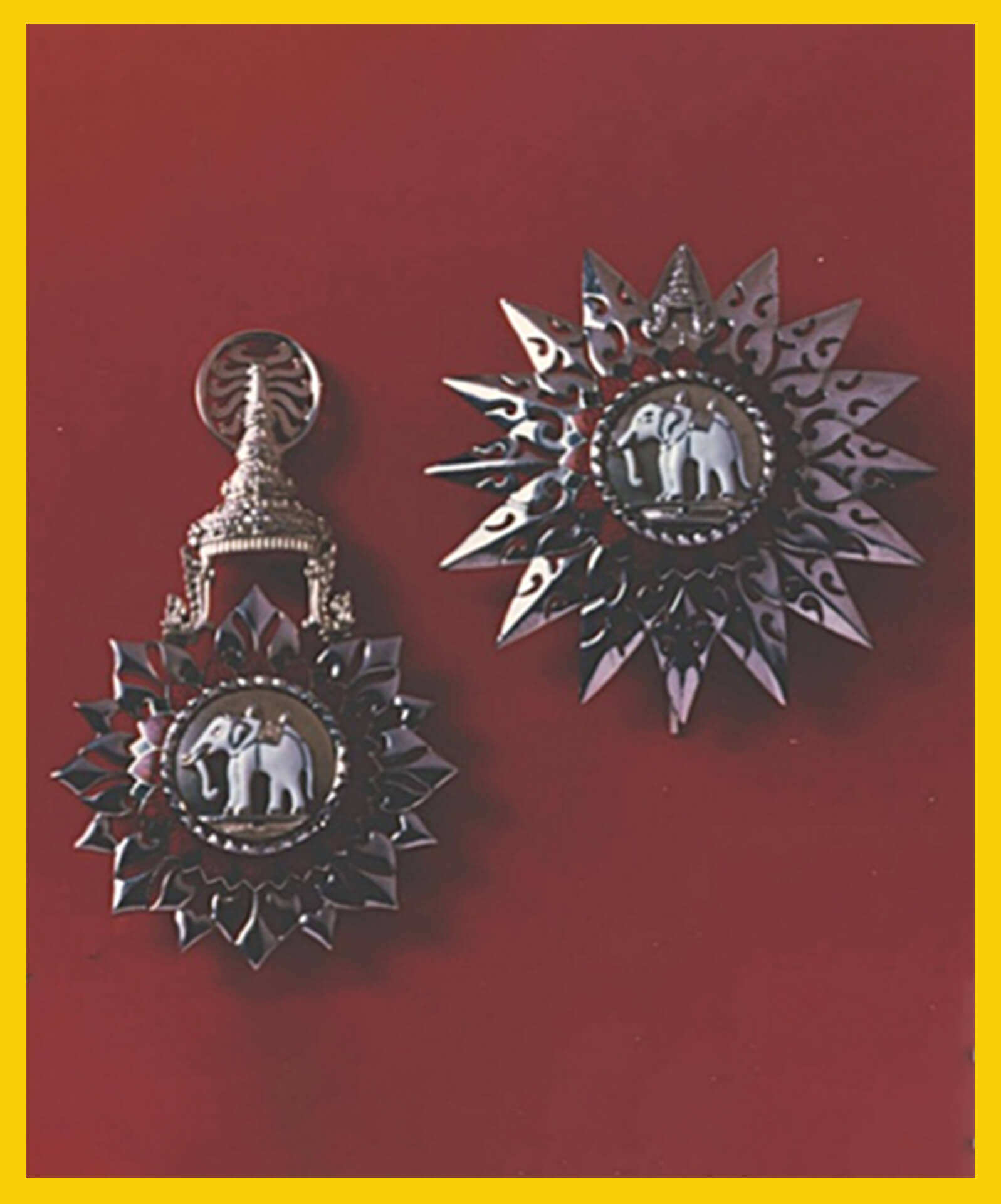
- Grand Cordon of the Order of the White Elephant of Siam (28 September 1924)
- Grand Cross Order of the Imperial Dragon de l'Annam' (16 January 1933)
- Grand Cross of the Royal Order of Cambodia (16 January 1933)
- First Class of the Imperial Order of Meiji Japan (7 April 1934)
- First Class Grand Cordon of the Order of The Rising Sun Japan (7 April 1934)
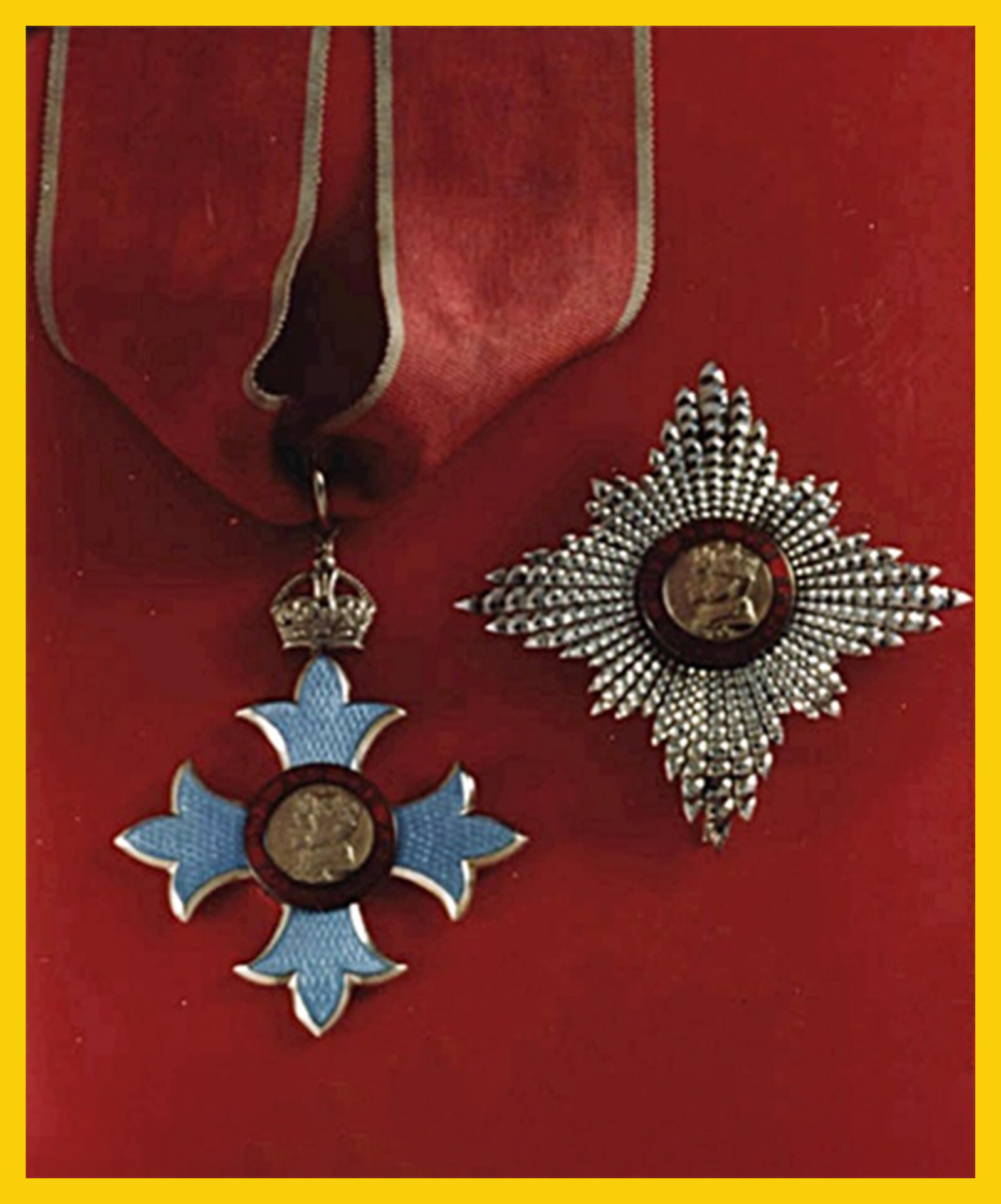
- Honorary Knight Grand Cross of The Most Excellent Order of the British Empire (GBE) (Civil Division) (3 June 1935)
- Grand Cross of the Order of the Crown of Italy (1938)
- Grand Cross Order of the Brilliant Star of Zanzibar
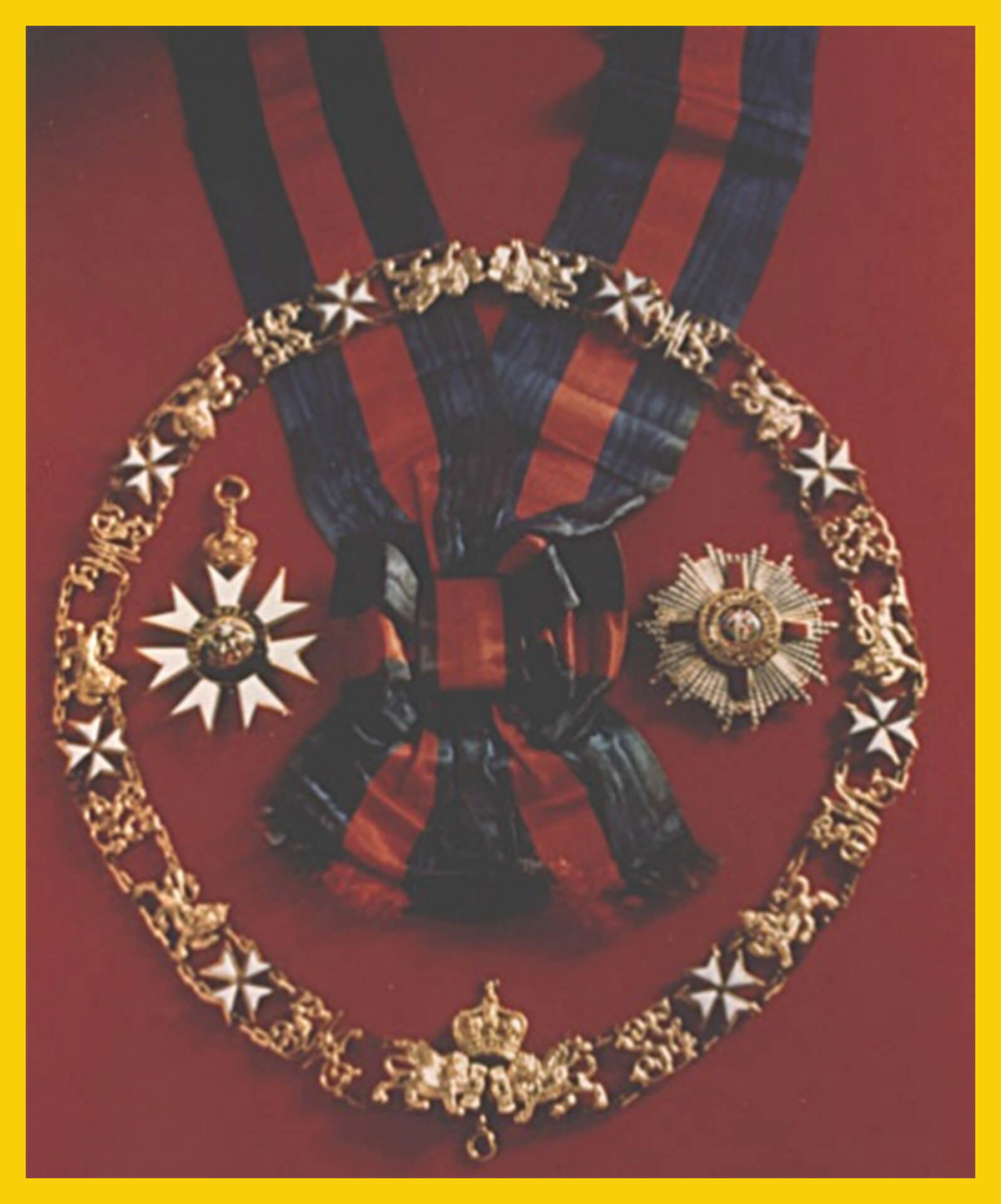
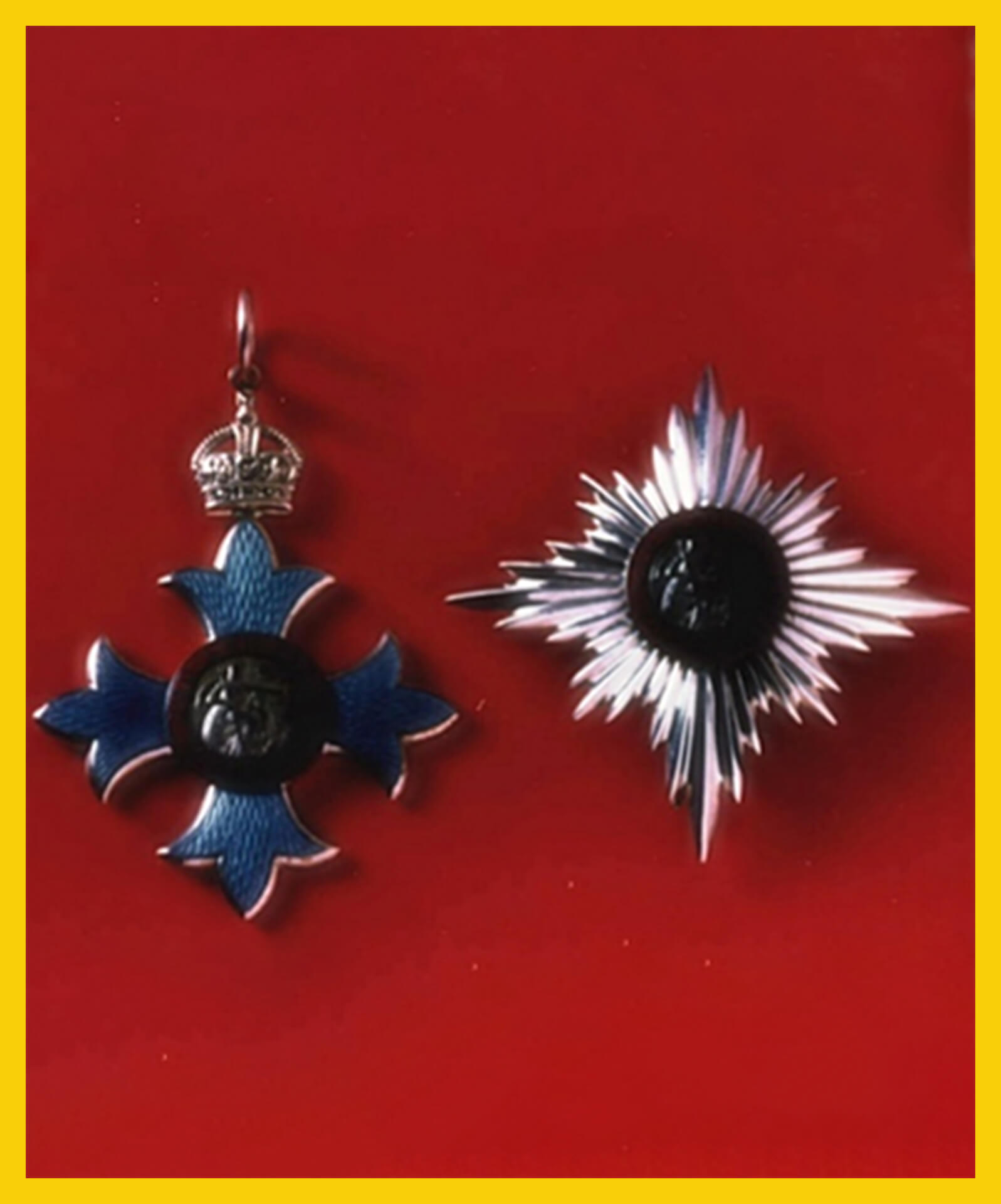

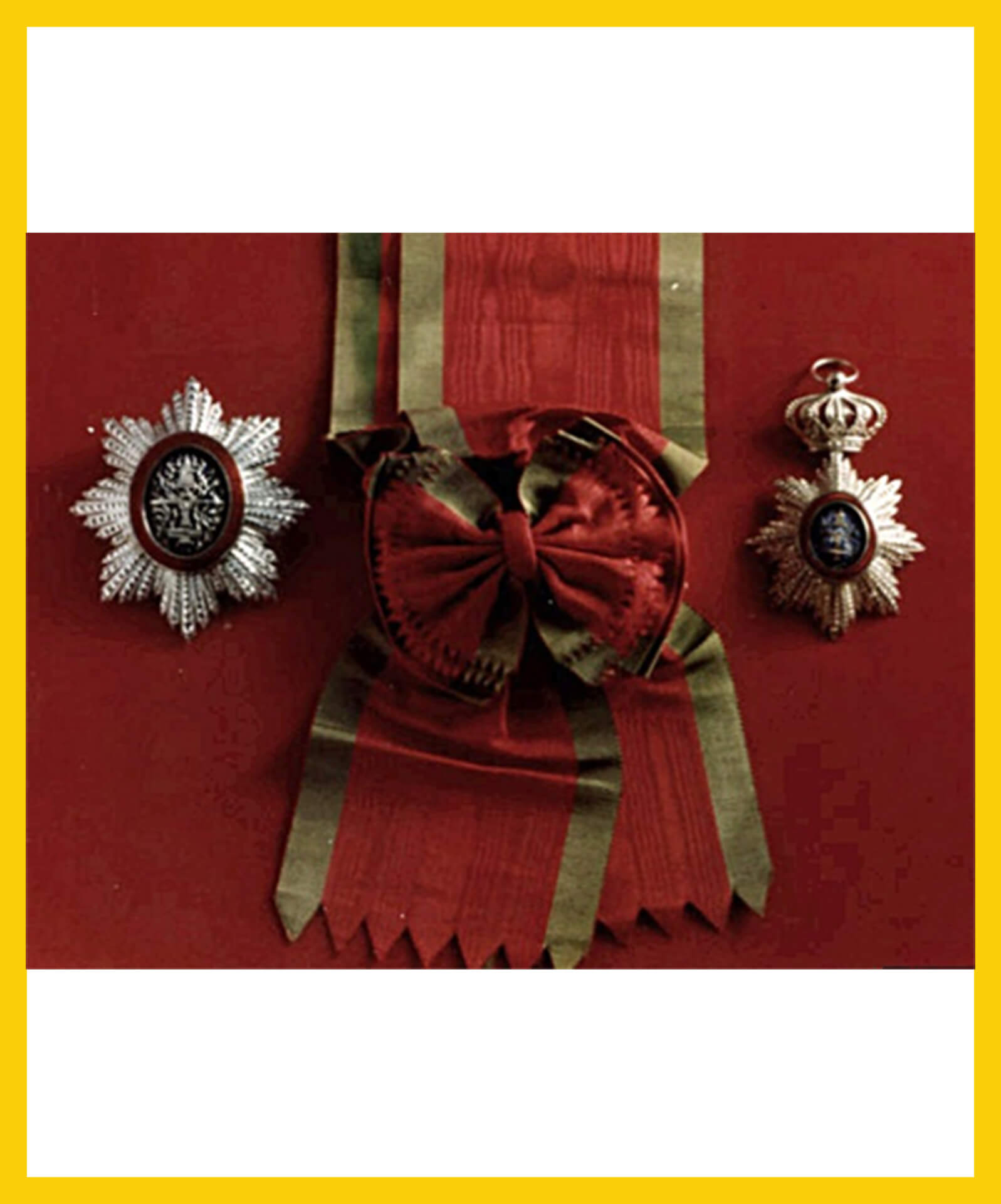
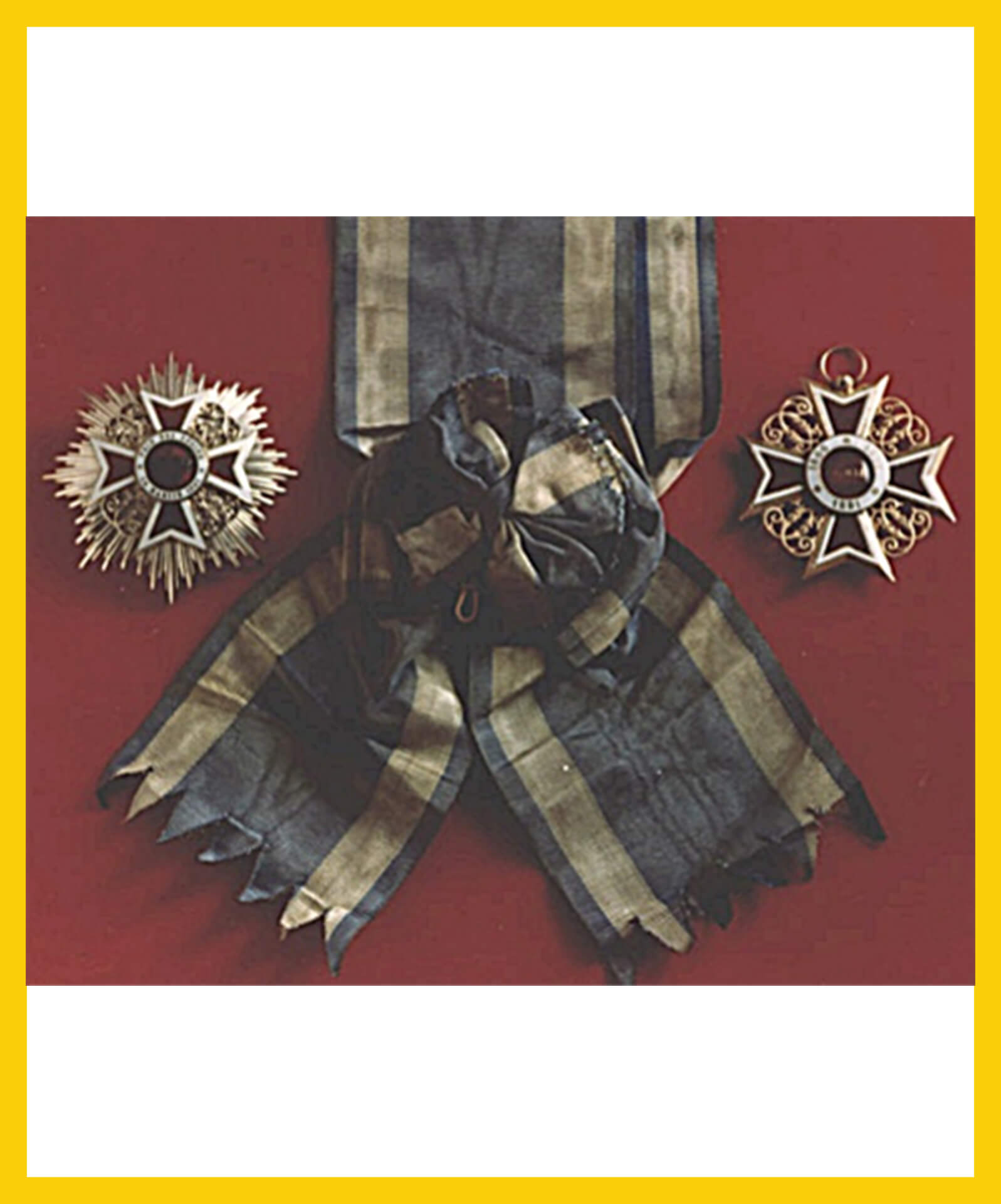
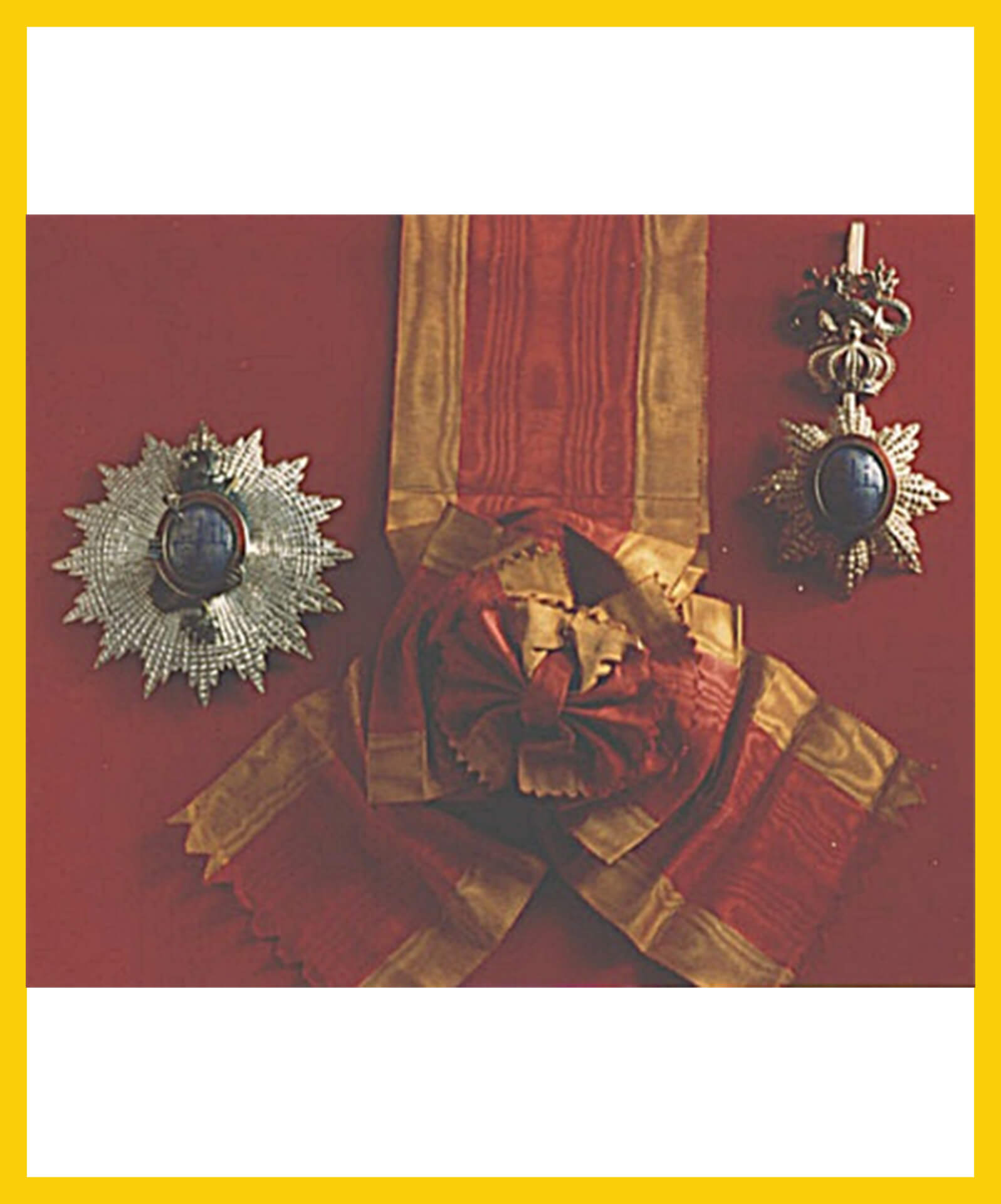
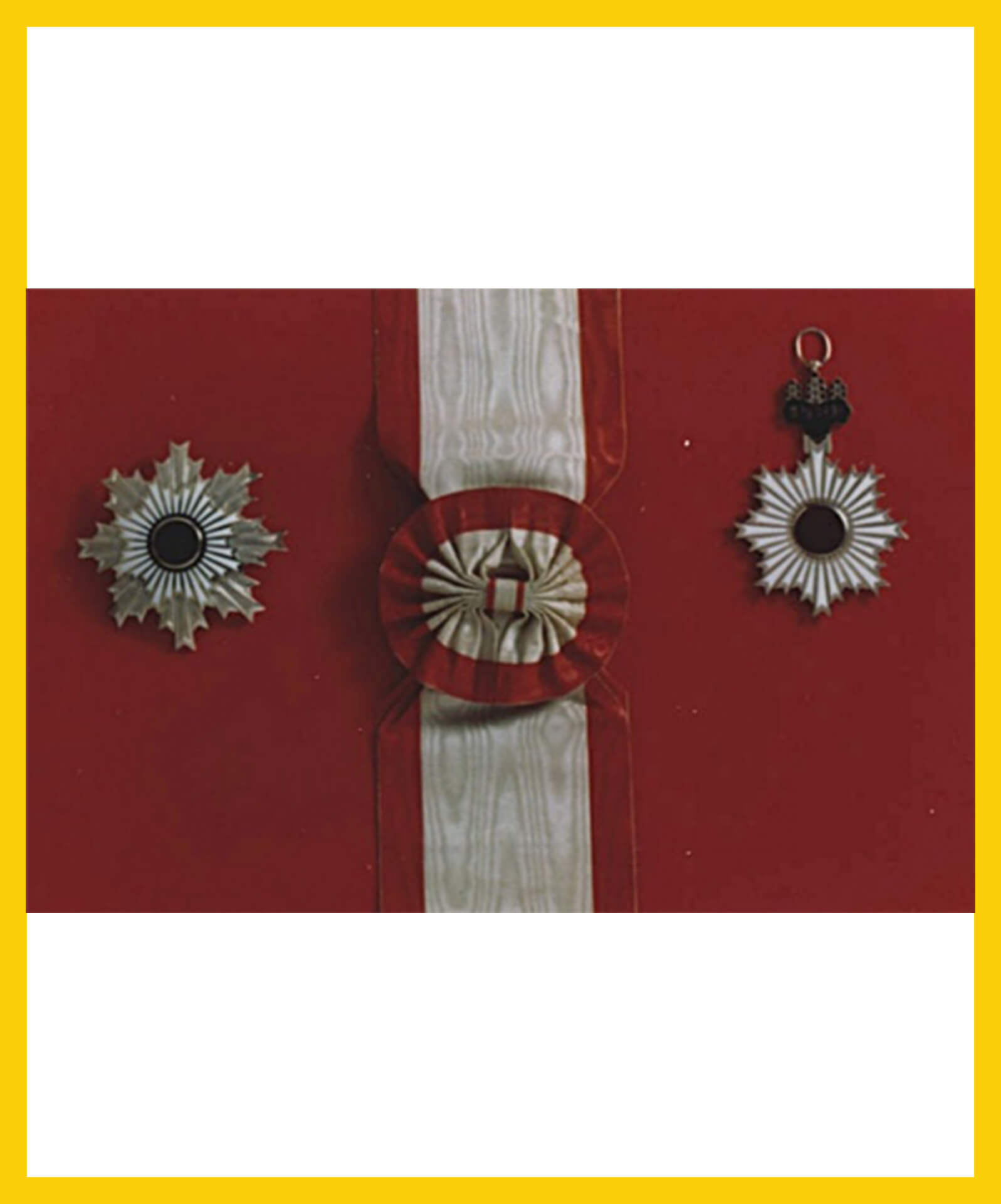

In return, Sultan Ibrahim conferred the Johor Royal Family Order to:
- Prince Henry of Prussia (1898)
- Baw Dai Emperor of Annam (1933)
- Seiso Wangmunibung, King of Cambodia (1933)
- The Marquis Tokugawa Yoshietika of Japan (1935)
Other Guests Of Sultan Ibrahim
Apart from foreign royalties, several high-ranking Japanese naval officers became guests of Sultan Ibrahim. The friendship resulted in Sultan Ibrahim being accorded a warm welcome on his visit to Japan, and the reason Johor Bahru was not destroyed during the Second World War. Among the guests of Sultan Ibrahim were officers of the His Imperial Japanese Majesty's Ship (HIJMS) battleship "Tokiwa" and "Akashi" (1915), "Izumo", and "Yakumo" under the command of Vice Admiral H. Sato (1922), Vice Admiral Tane Guchi of the Japanese Training Squadron (1922), and Vice Admiral Yeisuke Yamamoto, Price Fushimi and Prince Yamashima (1926).
ultan Ibrahim and Sultan Ismail respectively hosted Hollywood star and singer Frank Sinatra, writer Somerset Maugham, Lord Robin Maugham, British actor Orson Wells, Countess Mountbatten, Prince Sairuddin Khan, and a son of the German Kaiser. At the same time, electronic and print media such as Pathe News and Metro-Goldwyn-Meyer introduced Johor to the world audience. Journalists and writers such as Florence Caddy, who accompanied the Duke of Sutherland on his visit to Johor, gave an exciting picture of Johor and Sultan Abu Bakar. Frank S. Buck, in his book "Bring Them Back Alive", tells about Sultan Ibrahim's courage and bravado in hunting big game and man-eaters. While in San Francisco in 1934, Sultan Ibrahim was a special guest of Hollywood stars.
Sultan Ismail, Sultan Iskandar and His majesty Sultan Ibrahim were respectively conferred foreign awards as symbols of close relationships. Sultan Ismail received the following awards:
- Commander of the Star of Romania (16 July 1920)
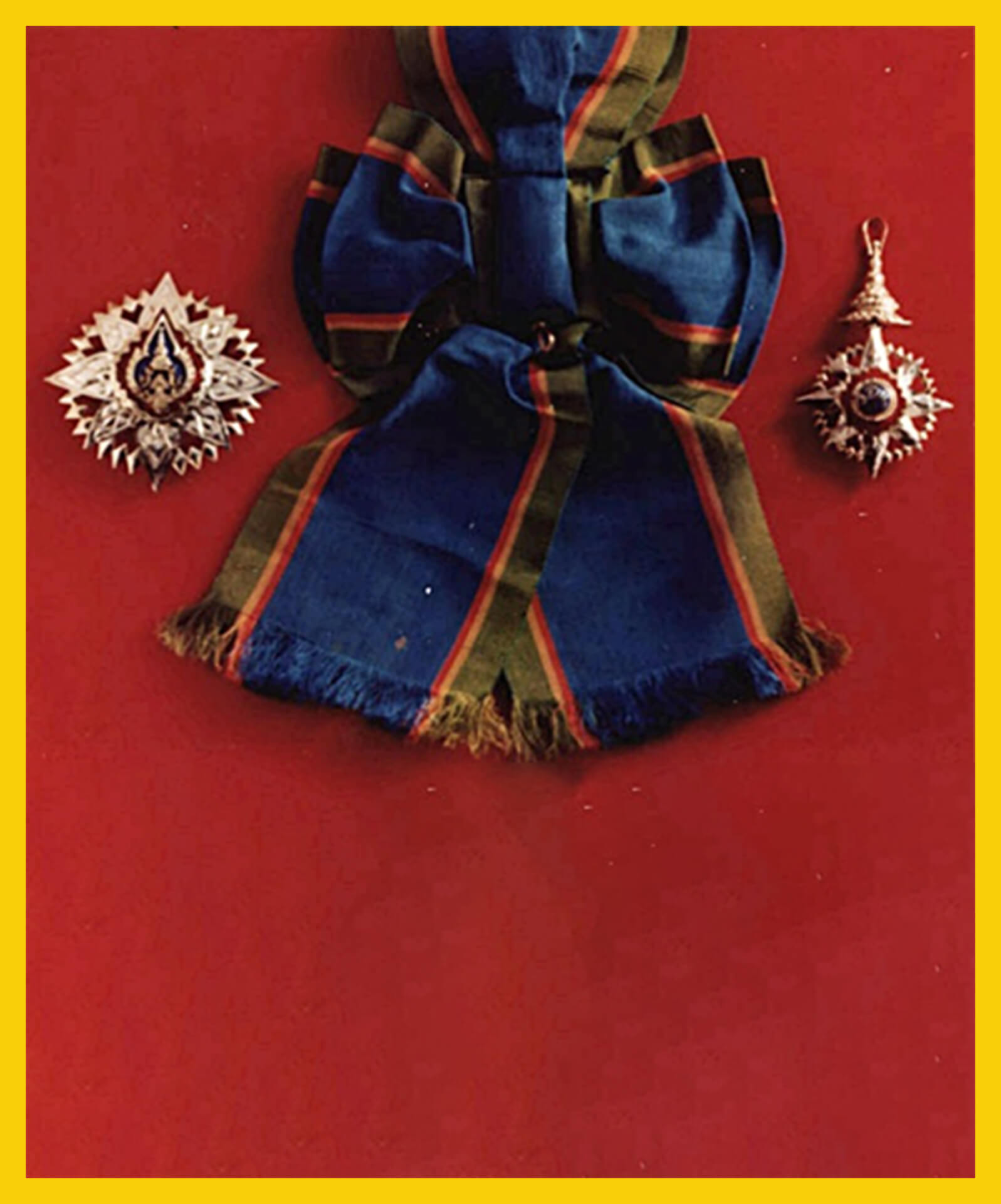
- Grand Cross, First Class of the Most Honourable Order of the Crown of Siam (21 July 1925)
- Honorary Companion of the Most Distinguished Order of St Michael and St George (CMG) (29 December 1926)
- Honorary Knight Commander of the Most Excellent Order of the British Empire (KBE) Civil Division (1937)
- Grand Officer of the Order of the Crown of Italy (11 November 1938)

For his effort to enhance bilateral ties, Sultan Ibrahim was honoured with the following orders of chivalry:
- Honorary Knight Cross Of The Most Distinguished Order of St Michael and St George (KCMG) British 1897
- First Class Order of the Star of Osmanieh (Turkey) 4 June 1898
- Honorary Knight Grand Cross of the Most Distinguished Order of St Michael and St George (GCMG) British (1916)
- Honorary Knight Cross Of the Most Excellent Order of the British Empire (KBE) (Military) (1919)
- First Class Order of the Crown of Romania (1920)
- Grand Cordon of the Order of the White Elephant of Siam (28 September 1924)
- Grand Cross Order of the Imperial Dragon de l'Annam' (16 January 1933)
- Grand Cross of the Royal Order of Cambodia (16 January 1933)
- First Class of the Imperial Order of Meiji Japan (7 April 1934)
- First Class Grand Cordon of the Order of The Rising Sun Japan (7 April 1934)
- Honorary Knight Grand Cross of The Most Excellent Order of the British Empire (GBE) (Civil Division) (3 June 1935)
- Grand Cross of the Order of the Crown of Italy (1938)
- Grand Cross Order of the Brilliant Star of Zanzibar
The long-standing bilateral relation between Johor and Singapore was further strengthened when Sultan Iskandar conferred the First Class of the Most Honourable Order of the Crown of Johor Dato Sri Paduka Mahkota Johor (SPMJ) respectively to Prime Minister Lee Kuan Yew (1984), and Prime Minister Goh Chok Tong (1991). Consequently, The National University of Singapore conferred an Honorary Doctor of Laws Honoris Causa to Sultan Iskandar on 12 April 2007.
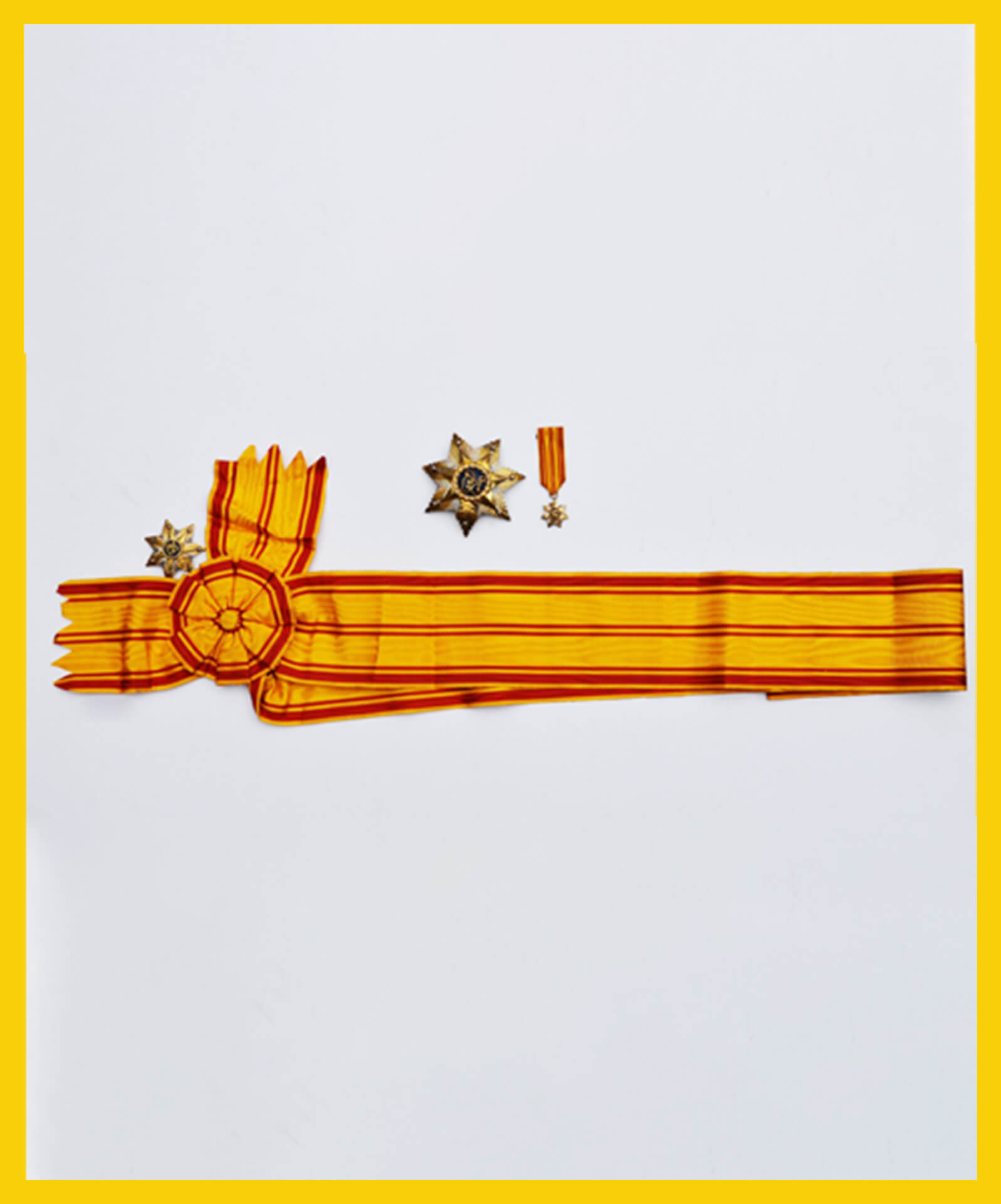
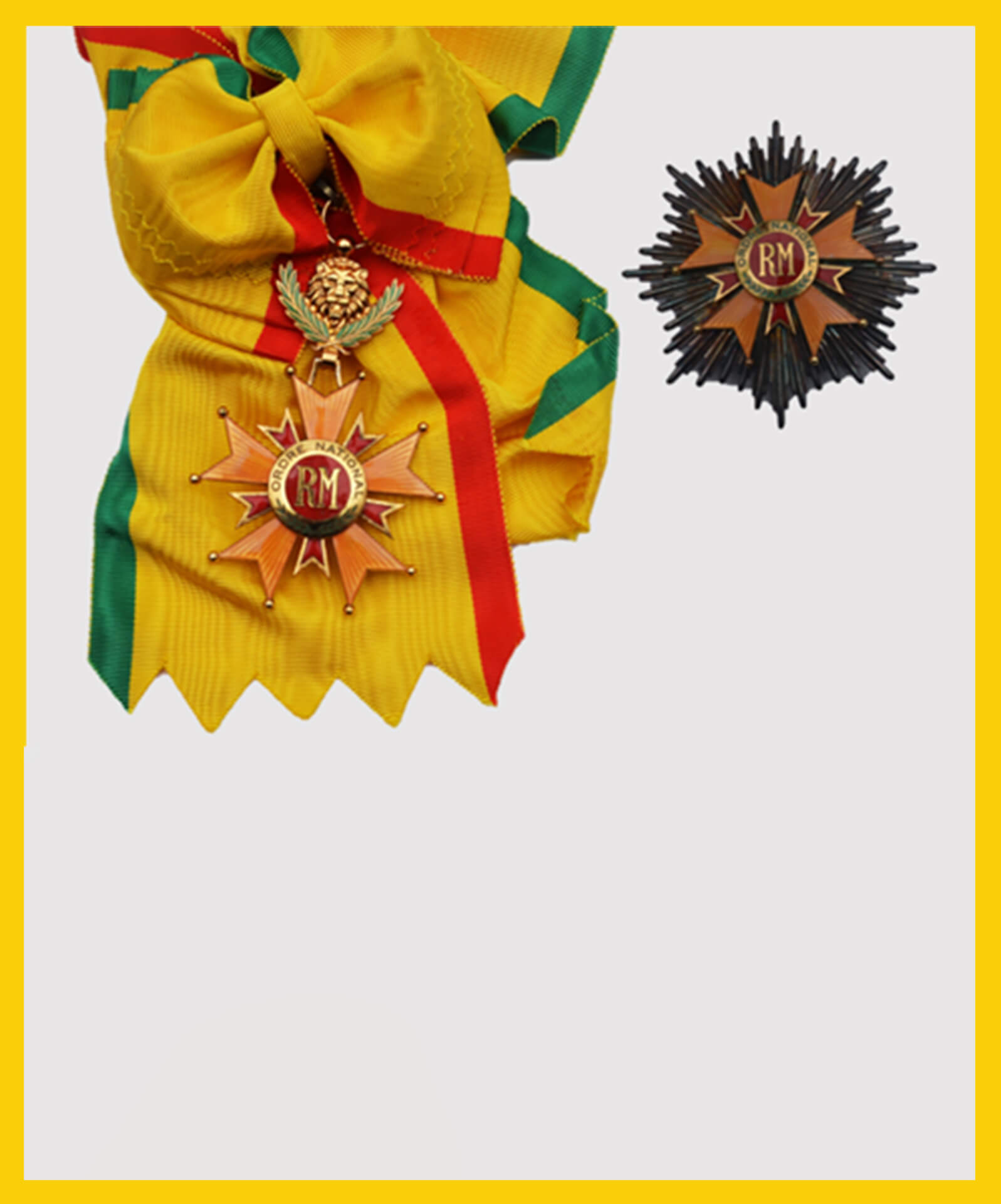
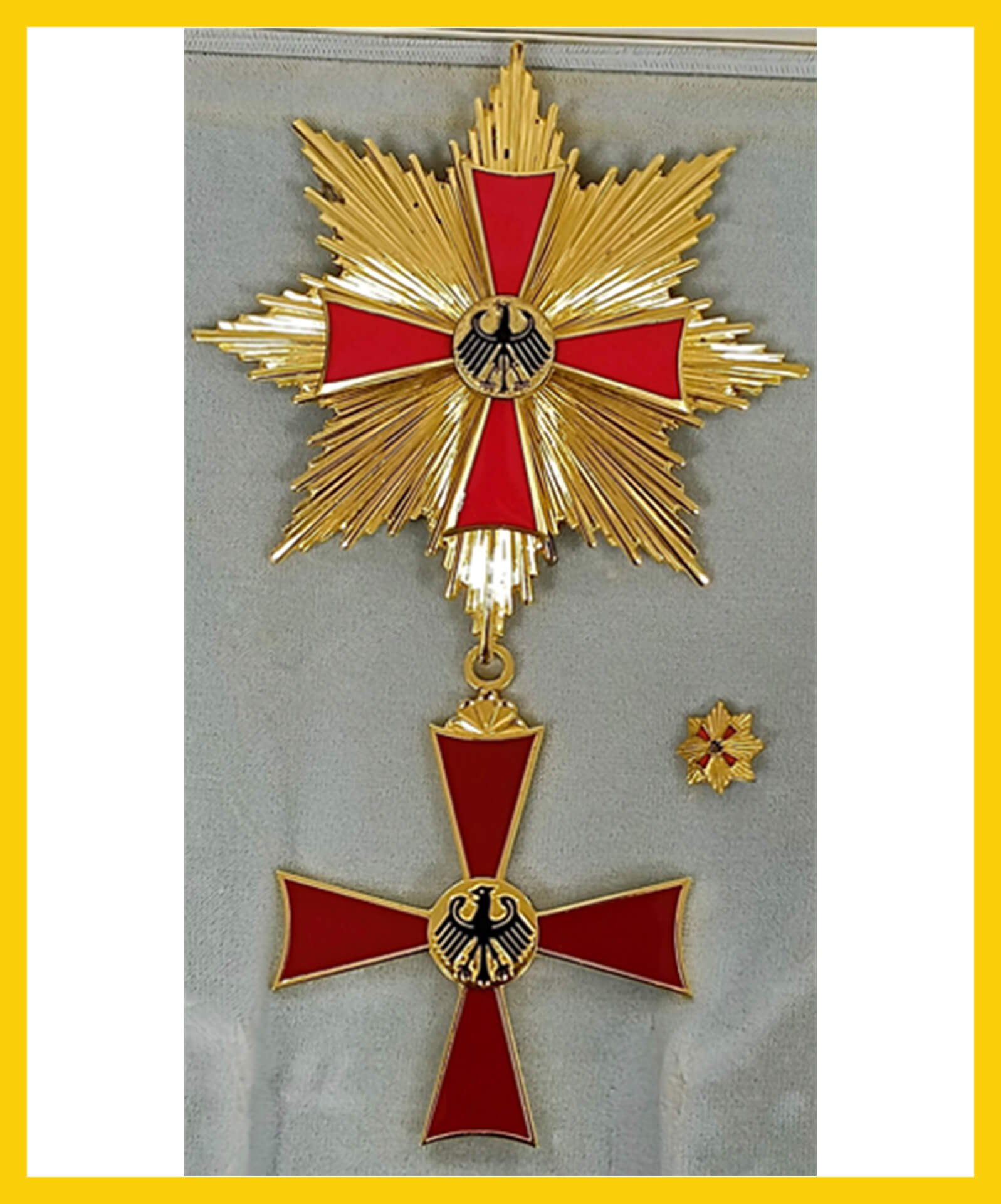
Among the foreign honours conferred to Sultan Iskandar are:
- Grand Cross Special Class Order of Merit of the Federal Republic of Germany
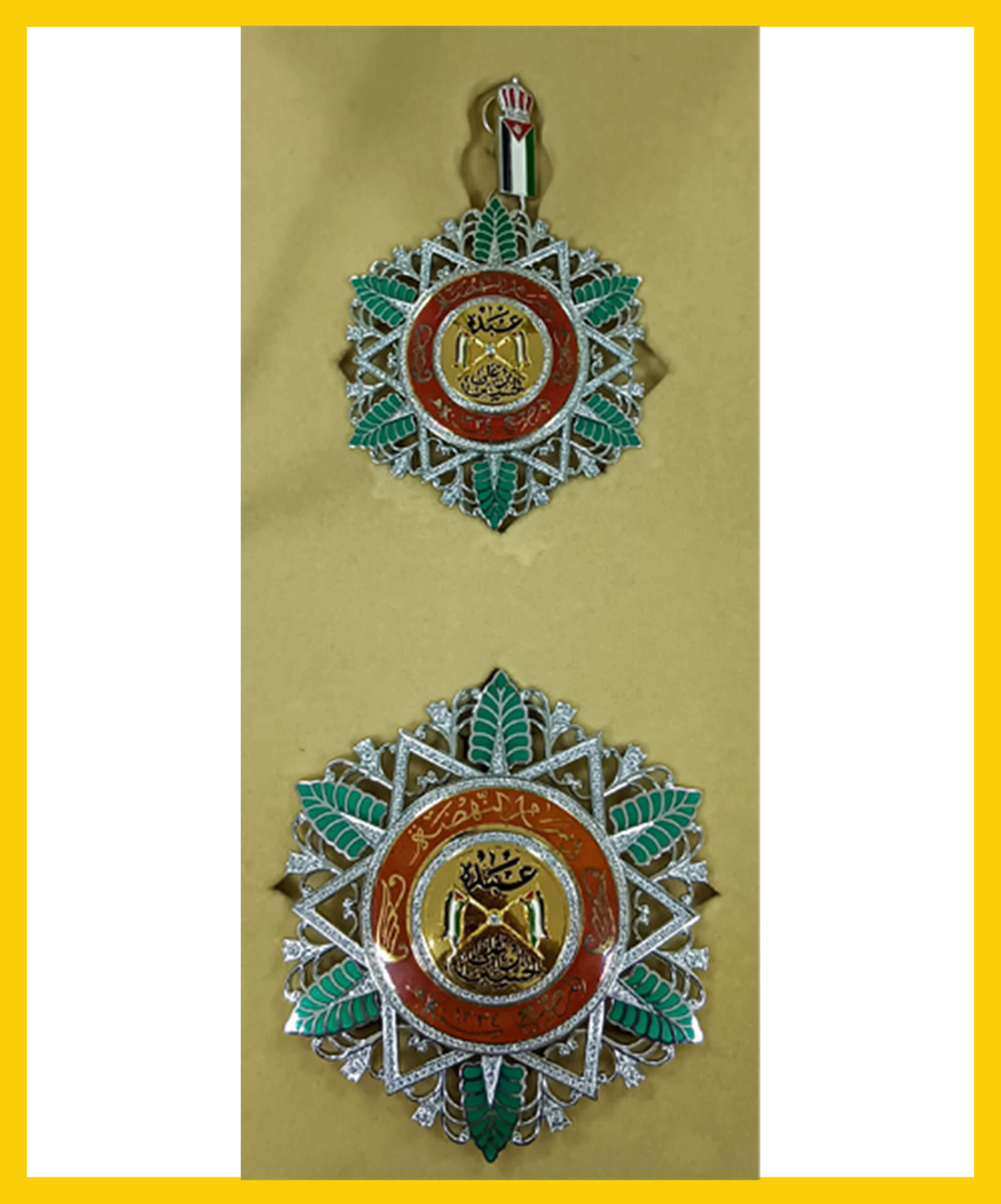
- Order of the Renaissance, Jordon
- Grand Commander of the Order of Mali (6 May 1985)
- Knight of the Order of Rajamitrabhorn of Thailand (17 December 1985)
- Bintang Mahaputra Adipurna Repablik Indonesia (5 Mac 1987)
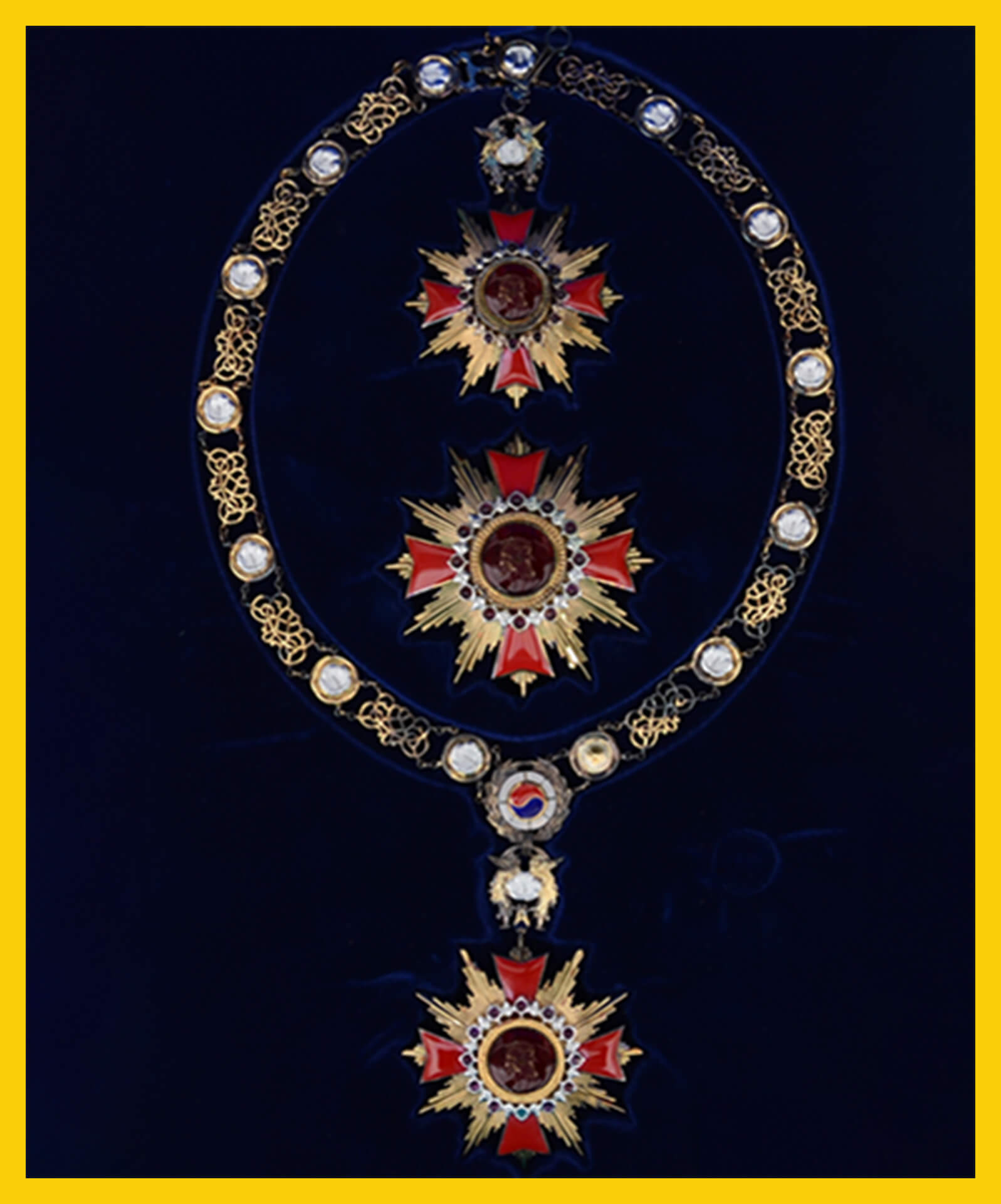
- Grand Order of Mugunghwa of Korea (3 November 1988)

The Spirit Of Tolerance And Caring
The concern and spirit of caring and tolerance exhibited by the Johor Sultanate are factors that led to the international recognition of Johor. Sultan Sir Ibrahim honoured the essence of the Treaty of 1885 in cooperating with the British in terms of regional politics, security and defence. Sultan Sir Ibrahim provided Britain with 16 aeroplanes to defend Singapore during the First World War. He deployed detachments of the Johor Military Forces to guard installations at Pulau Belakang Mati and Tanglin. During World War II, he contributed $12 million to the British to construct bunkers and install three large cannons at Changi to defend against Japanese naval attacks. The cannon is still in Singapore and is called The Johore Battery. Sultan Abu Bakar gave protection and sympathy to the Chinese residing in Johor. The Emperor of China reciprocated this concern by awarding His Majesty the star of The Imperial Order of the Double Dragon.
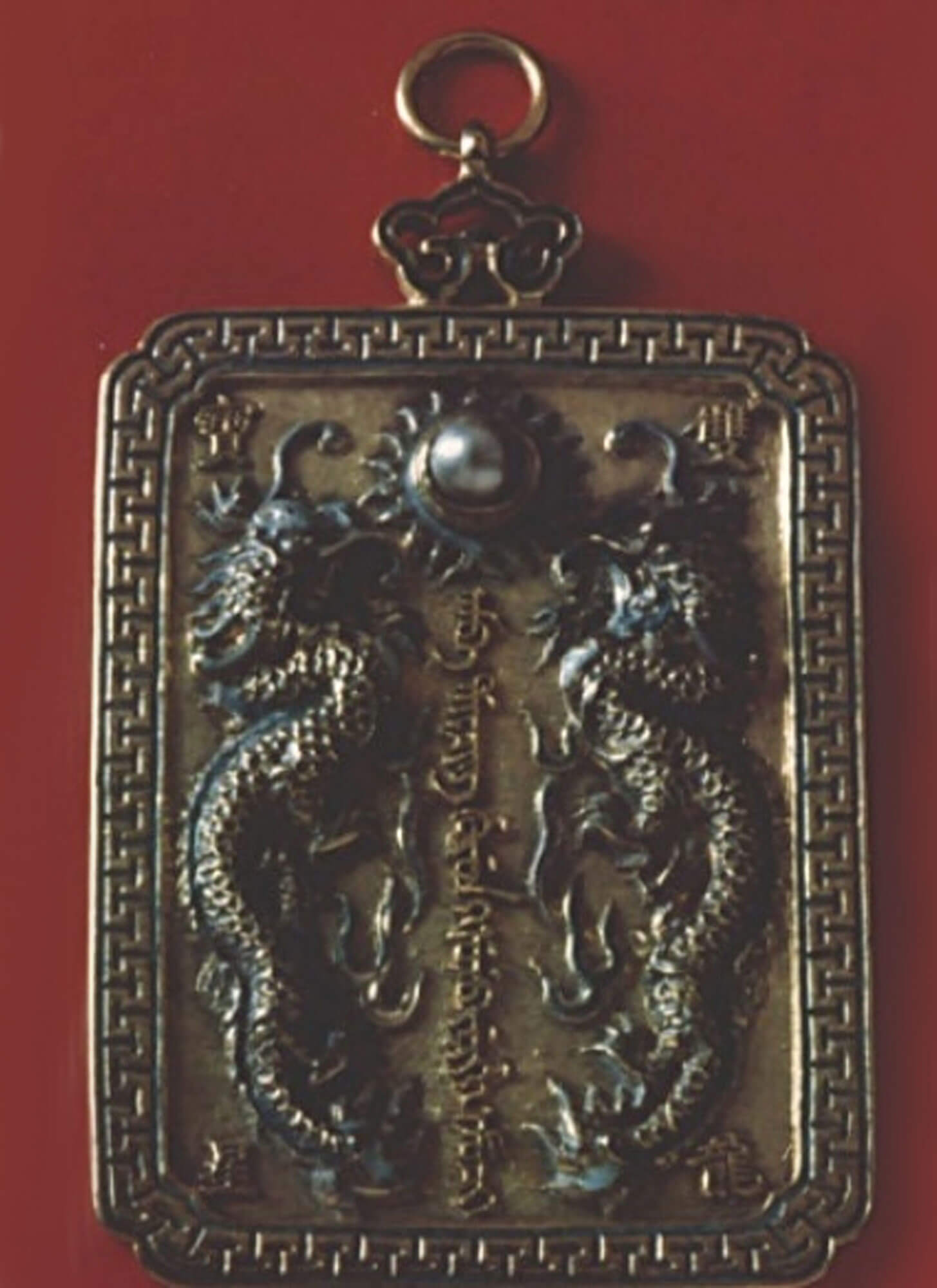
Imperial Order of the Double Dragon, First Class. (Source: The Royal Abu Bakar Museum)
The Role Of Sports
As part of its heritage, the Johor Sultanate ensures the spirit of making Johor known to the world by organising international sports activities. During the reign of Sultan Ibrahim and later Sultan Ismail, Johor was listed in the world map of international motorcycle and motorcar racing when the Johor government organised the Johor Grand Prix in 1940, and continued in 1949, 1950, 1952, 1960, and 1963, attracting race participants from the United Kingdom, Singapore, Sri Lanka, Thailand and Hong Kong. In 1986 the Johor Corporation revived the annual motorsports at the Pasir Gudang Circuit. The World motorcycle Grand Prix Championship was held there in 1998. In the same year and for 22 subsequent years, the Johor Corporation organized the International Kites Festival attracting participants from Russia, China, Japan, Holland, France, Indonesia and India.
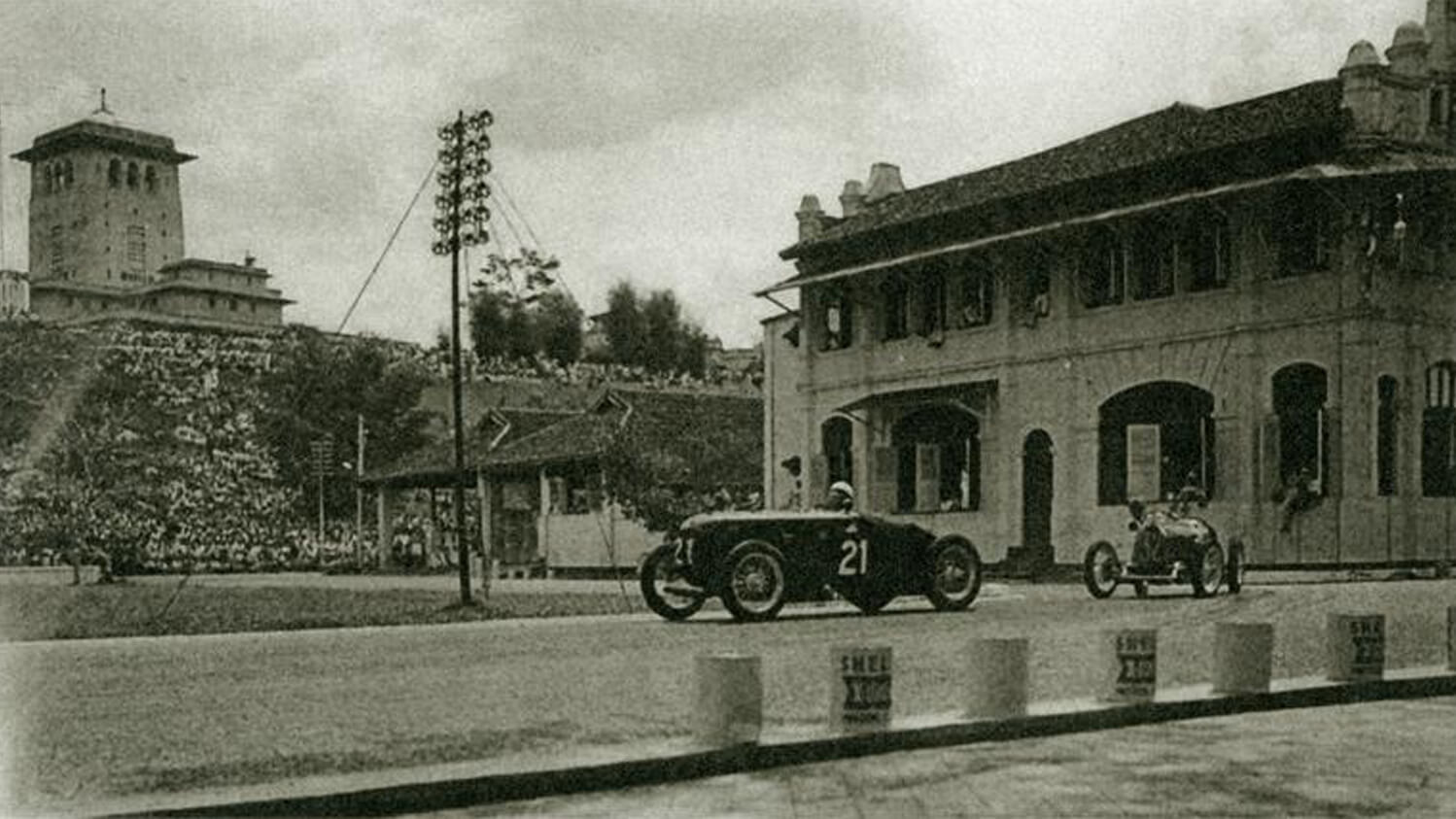
The Johor Grand Prix was held every year until the 1960s. (Source: The Royal Abu Bakar Museum)
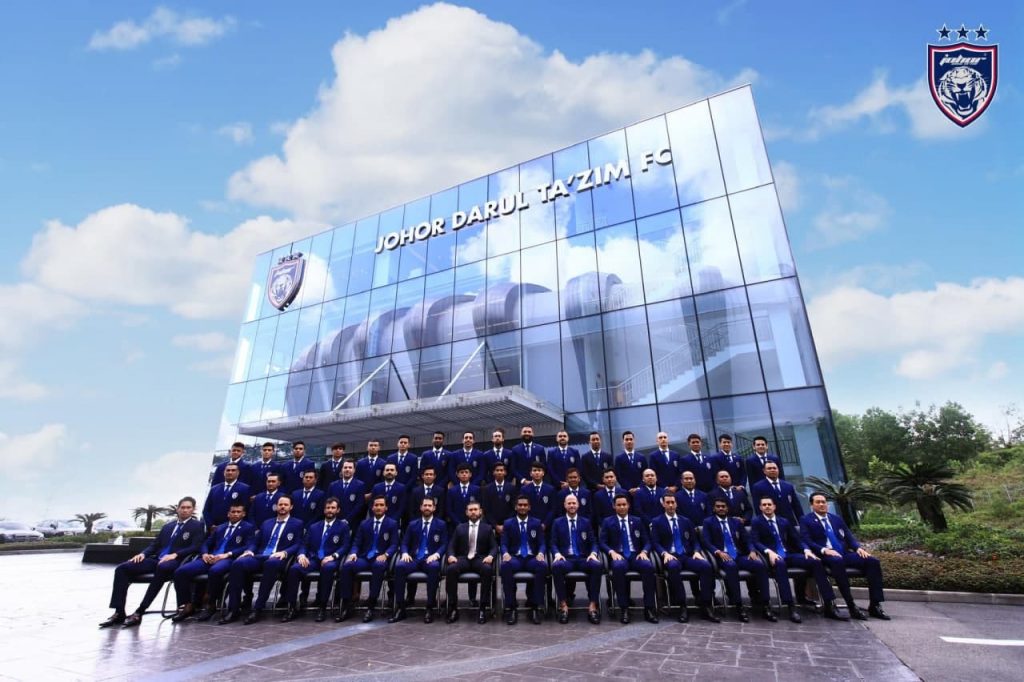
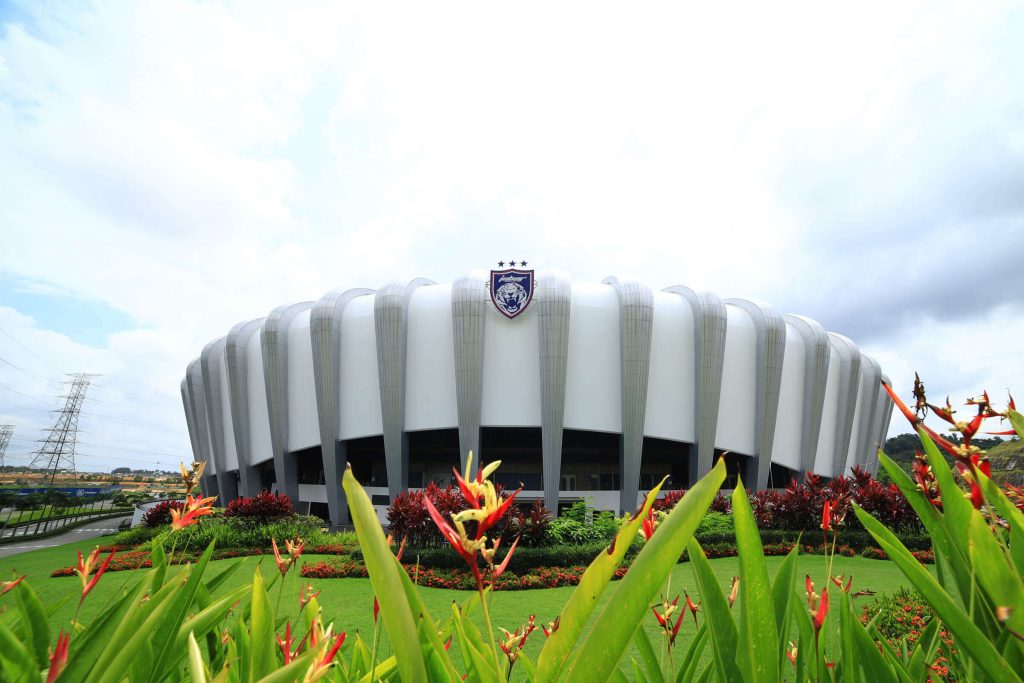
Crown Prince Tunku Ismail Ibni Sultan Ibrahim is very much interested in football and polo. The Johor Darul Ta’zim (JDT) football team he owned placed Johor on the soccer world map when it participated in and won international matches. The JDT’s planned strategies of collaborating with global brand names such as Aston Martin, Hublot, and Malaysia Airline System have given the team worldwide coverage, especially among fans and followers, exceeding 75 million international viewers. The collaboration with the United Nations Children’s Fund (UNICEF) enhances not only the team’s reputation but also the caring attitude of the Johor Sultanate towards the protection and welfare of underprivileged children worldwide.
Present-Day Foreign Relations
Continuous development, effective governance and administration and a stable political environment attract the attention of foreign countries to Johor. Many official representatives of foreign nations visited Johor and were granted an audience with the Sultan, who spent time with them in discussions to bring investments to Johor. Among them are HRH, the Duke of York, Crown Prince Fujirah of the United Arab Emirates, Sheikh Mohammad bin Ahmad bin Mohammad Al Shaqui and Dr Omar Ali bin Haider, Chairman of Omar bin Haider Holding Group Dubai. His Majesty Sultan Ibrahim also received in audience the Ambassador of Argentina and the Ambassador of the Vatican City to Malaysia, Archbishop Joseph Salvador Marino, who each expressed their appreciation and gratitude for the generosity and kindness of His Majesty in pardoning their citizens who were convicted for committing crime in Johor. Apart from that, His Majesty made private visits to Australia, Canada, Bahrain, Argentina, Cuba, Mongolia, China and the Philippines to forge and strengthen bilateral friendship and invite the nations to invest in Johor. The most obvious successful examples of investments from China are the high-end property development of Princess Cove at Tanjong Puteri, the Country Garden along Lido Beach, and Forest City in Gelang Patah.
On 27 November 2017, His Majesty Sultan Ibrahim visited the Kingdom of Bahrain at the official invitation of His Majesty King Hamid bin Isa bin Salman Al Khalifah. Accordingly, his Majesty bestowed the First Class of the Most Esteemed Johor Royal Family Order (DK I) to His Majesty King Hamid, who in return conferred upon Sultan Ibrahim the First Class Order of Sheikh Isa bin Salman.
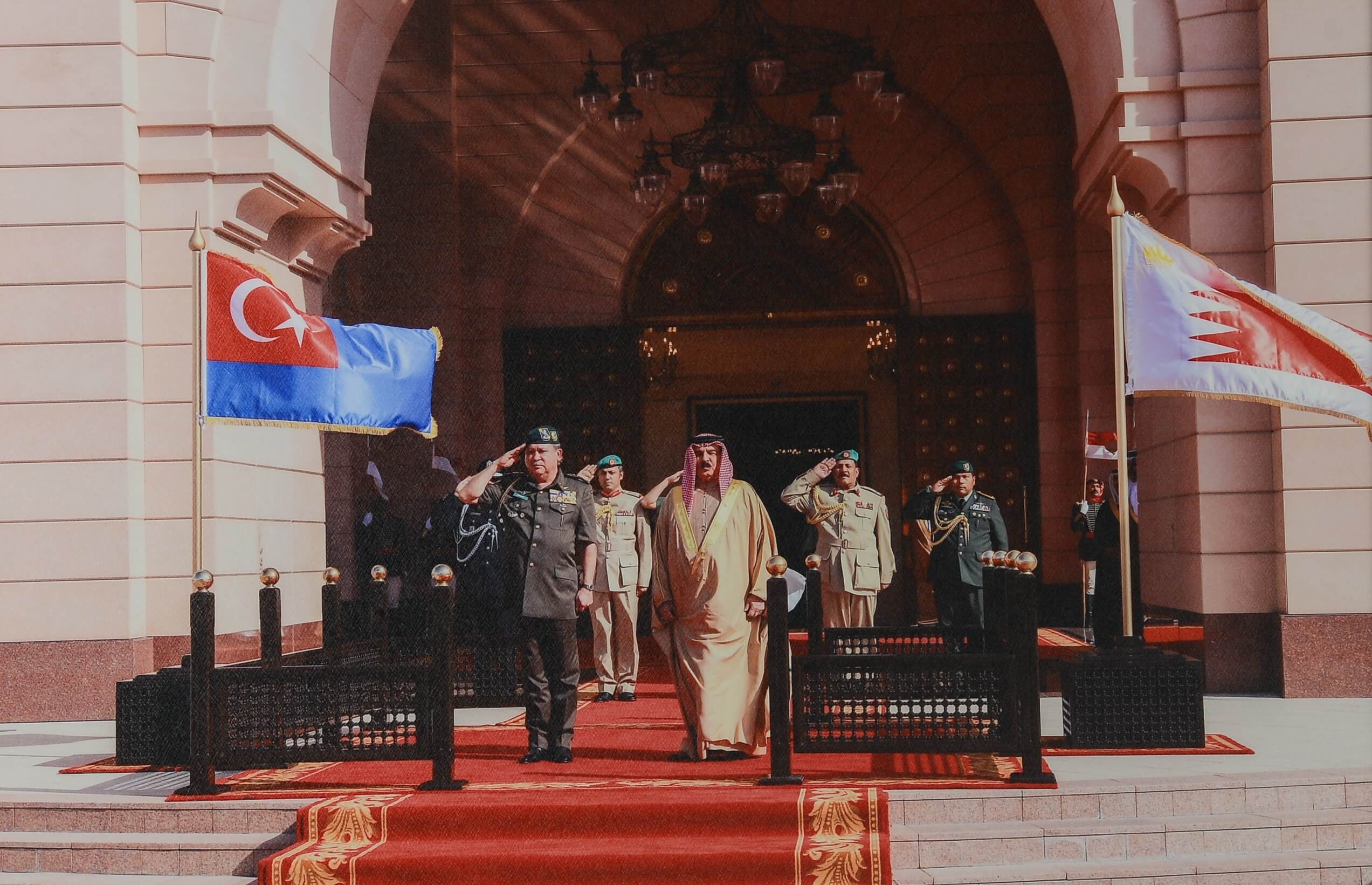
Sultan Ibrahim Sultan Iskandar’s three-day officials visit to Bahrain at the invitation of the King of Bahrain, Hamad Isa Al-Khalifah.
Sebagai kesinambungan tradisi Kesultanan Johor Moden, DYAM Tunku Mahkota Johor menjalani latihan ketenteraan bersama Askar Timbalan Setia Negeri sebelum melanjutkan latihan bersama tentera India di Indian Military Academy Dehradun, India selama dua tahun. Tunku Mahkota Johor diberi penghormatan oleh Presiden India untuk mengetuai perarakan Hari Kebangsaan India pada 26 Januari 2007 di Jaipur di hadapan Presiden India, Dr A.P.J Abdul Kalam dan disaksikan oleh Presiden Rusia, Valdimir Putin dan Sultan Iskandar. Peristiwa ini menyaksikan Tunku Ismail sebagai orang asing, orang Melayu pertama dan putera Raja Melayu pertama mengetuai perarakan Hari Kebangsaan India.
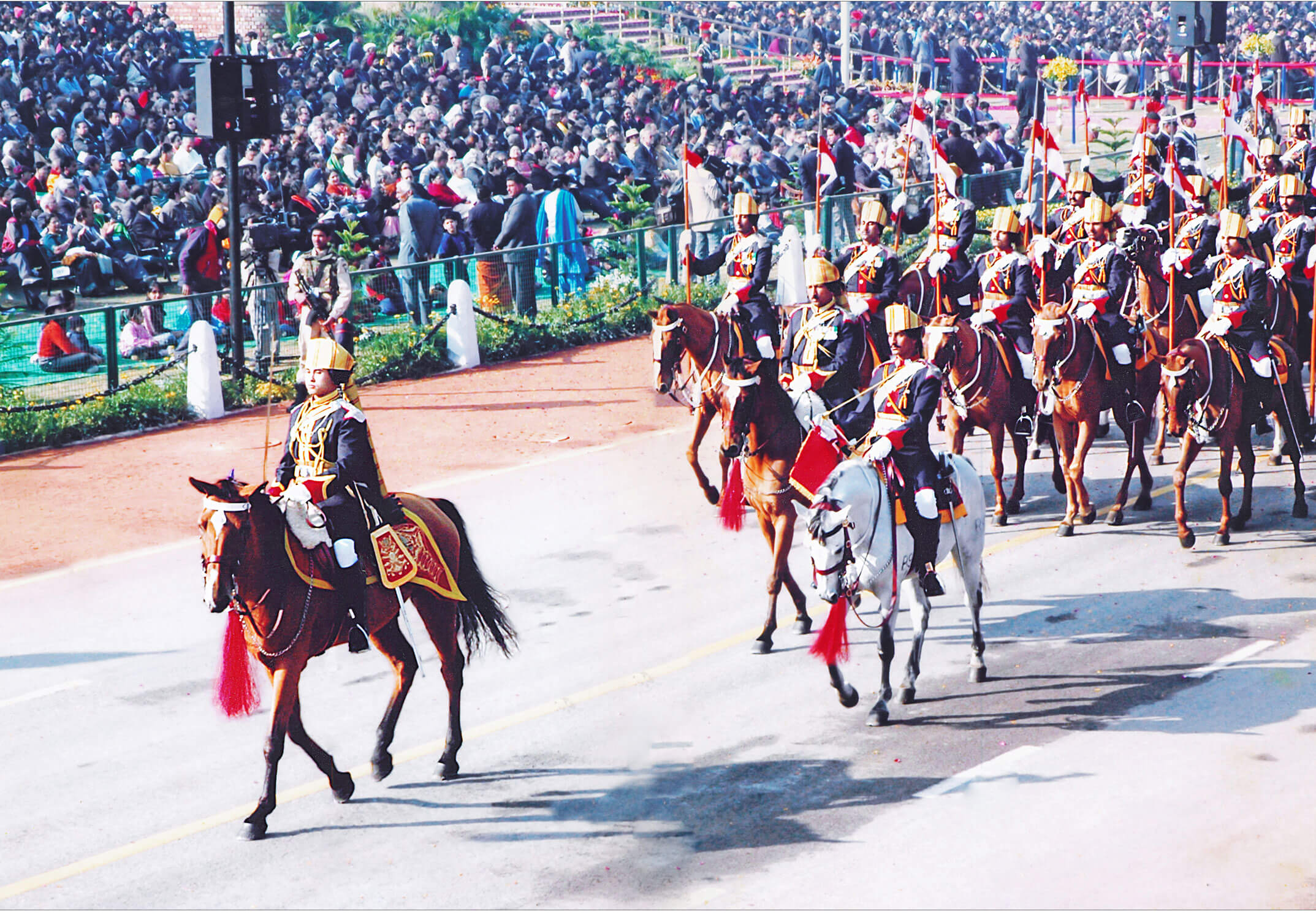
The Crown Prince of Johor was honoured by the President of India to lead the Indian National Day parade on 26 January 2007 in Jaipur in the presence of the President of India, Dr A.P.J Abdul Kalam and witnessed by the President of Russia, Valdimir Putin and Sultan Iskandar. (Source: The Royal Abu Bakar Museum)

 English
  Malay
Malay