
A palace is defined as an imposing building or royal residence equipped with the necessary amenities befitting royalty status. Other than being a symbol of majesty, a palace reflects the sovereignty of a ruler, as well as the loyalty and cooperation of the people. A palace stands as a witness to the glorious days of his reign. The Johor palaces were built in or near residential communities to enable the ruler to be close to his subjects and for the people to have access to the ruler. It was an honour to serve the ruler or the palace. The subjects who served the ruler are called people of the inner circle (orang dalam).
The Palaces
The Palaces
In 2012 His Majesty Sultan Ibrahim decreed only residences occupied by the ruler and the heir apparent may be called a palace. Other buildings accommodating members of his family are termed residences. This is to differentiate the legal status of a palace and its grounds under Johor laws as sultanate property belonging to and maintained by the government but for the use and enjoyment of the ruler, his heirs and successors. Therefore, a palace cannot be disposed of by any party in any way or form.
The Palace of The Temenggong, Singapore (Istana Bukit Aur)
In 1815 Temenggong Abdul Rahman bin Dato’ Abdul Hamid set up a settlement known as Kampong Temenggong on the Singapore River. After he installed Tengku Husain as Sultan of Johor, the British moved him to Kampong Gelam. The Temenggong delayed his move to Telok Belanga till 14 March 1824 after the British agreed to his demand for compensation, a residence and basic infrastructures for his people. A palace was built at Bukit Aur and named the Palace of the Temenggong or Istana Bukit Aur. It was equipped with an octagonal audience hall for meetings and receptions. Temenggong Daeng Ibrahim later converted the hall into a mosque. In 1989 Sultan Iskandar rebuilt the mosque based on the hall's original design, and renamed it Temenggong Ibrahim Mosque.
Temenggong Daeng Ibrahim was installed at the palace on 14 August 1841. Abu Bakar was born in the palace on 3 February 1833 and was installed as Dato’ Temenggong Sri Maharaja in 1862. On 15 August 1864, the British granted Maharaja Abu Bakar a title and lease of 999 years on Government Lease Lot No.1 of Lease no.69 bearing registration no. 2118. To this day, this land belongs to Johor, where the Johor flag is proudly flown at the mosque. The Imam and staff of the mosque are Johor government employees. The Johor Mufti prepares the sermons and prayers for the sultan. Temenggong Abdul Rahman, Temenggong Ibrahim and members of the royal family were buried at the Royal Mausoleum.
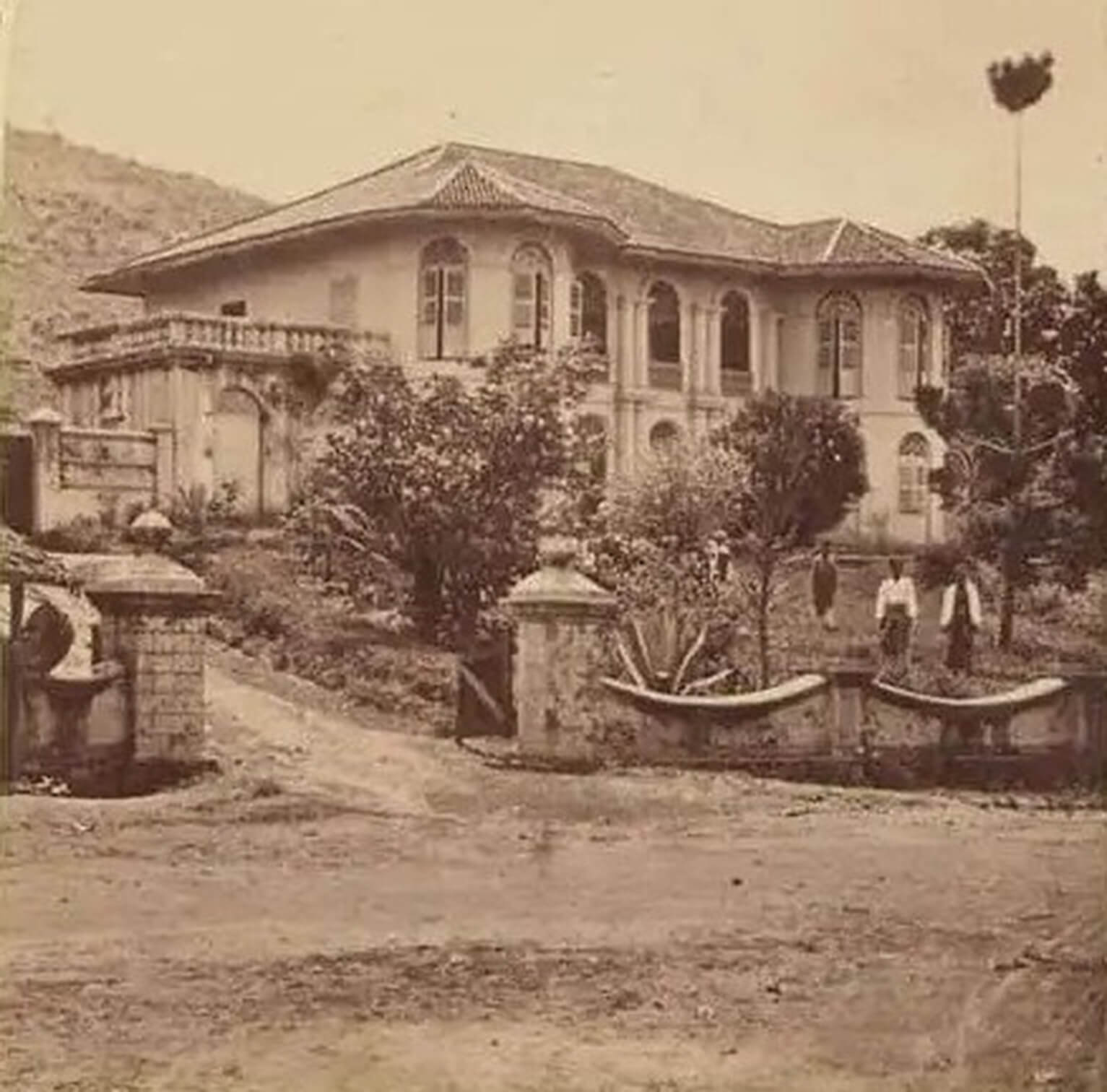
Temenggong Palace in Telok Belanga, Singapore. (Source: Geoffrey Allan Edwards)
Palace Of Nymphs (Istana Bidadari)
Maharaja Abu Bakar acquired a residence and 45 acres of land at Bidadari Estate in the Serangoon district of Singapore from his personal friend Henry Minchin Simons. The palace named Istana Bidadari (Palace of the Nymphs) became the residence of his second consort Enche’ Puan Besar Zubaidah (nee Cecilia Catherina Lange), whom he married after her conversion to Islam in 1868. She was the daughter of Mads Lange, a Danish trader in Bali, and Madam Sang Nio, a daughter of the Kapitan Cina of Bali. The palace was the birthplace of Tunku Mariam (1871) and Tunku Ibrahim (1873).
It remained a mystery how Bidadari obtained its name. It was reported there was a pool there visited by beautiful nymphs. Some believed the beautiful Cecilia was the nymph of heaven.
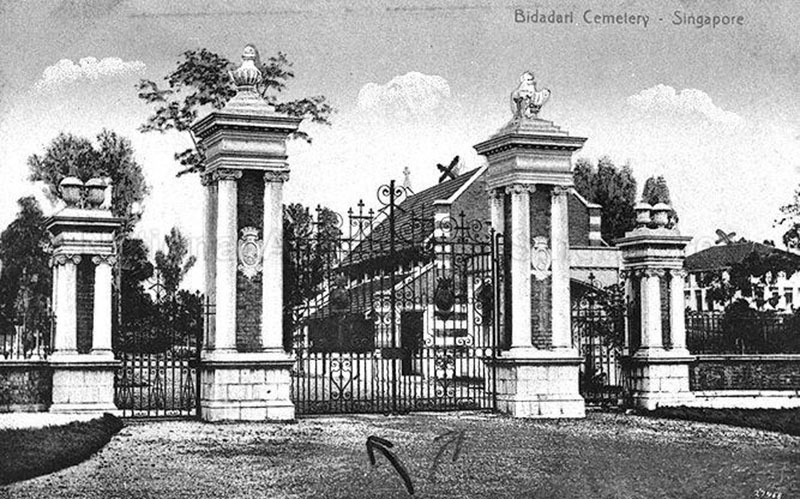
In 1905 the Singapore government acquired the land at the price of $2,500 per acre. The estate was turned into a cemetery with sections for Muslims, Hindus, Singhalese, and Christians of different denominations. At least 58,000 graves were located at Bidadari. The area is now a commercial zone.
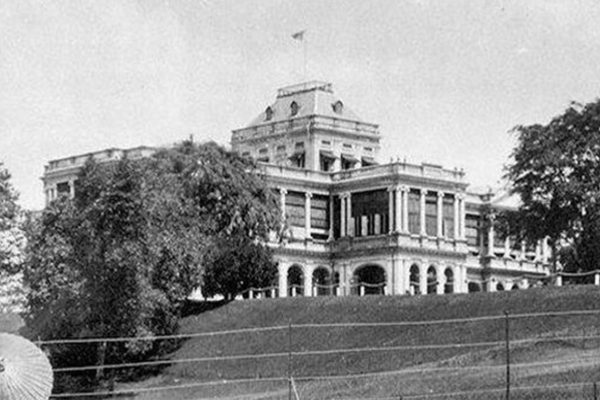
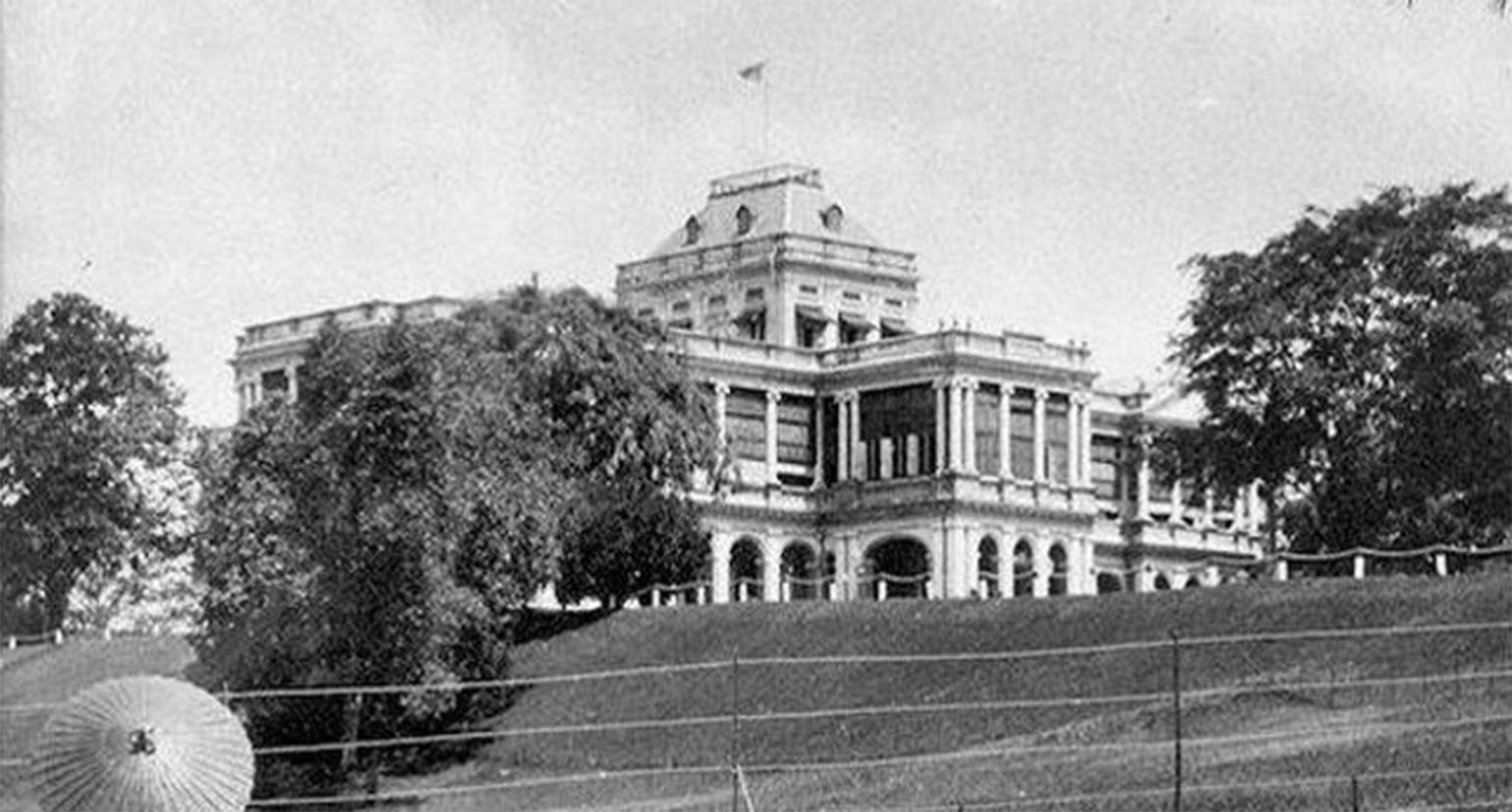
Tyersall Palace, Singapore
In 1884 Maharaja Abu Bakar purchased a landed property once owned by his legal adviser William Napier. A house called Tyersall, built in 1854, stood on 67 acres of land. It became the residence of his third consort Maharani Fatimah binti Abdullah (nee Wong Ah Gew before converting to Islam), whom he married in 1884. Abu Bakar demolished the house in 1890 and rebuilt a new European-style residence. The architect was Dato’ Yahaya Awaludin, the chief engineer in Abu Bakar’s cabinet. The contractor was Wong Ah Fook. The building was completed in 1892, a year after the death of Sultanah Fatimah. Abu Bakar named the palace Istana Tyersall and made it his official residence. Abu Bakar invited Governor Sir Cecil Clementi to officially open the palace on 3 December 1892.
On 14 April 1895, Abu Bakar executed a will expressing his intention for Tyersall to become state property after his death for the use and enjoyment of his heir and successors, the future rulers and their descendants. However, Tyersall was completely gutted in a fire at 2.45 am on 10 September 1905, believed to be caused by an electrical short circuit. In November 1990, the Singapore government, under its Land Acquisition Act, acquired a part of its grounds with a sum of $25 million awarded as compensation. In 2006, Sultan Iskandar bequeathed the land to his grandson Crown Prince Tunku Ismail.
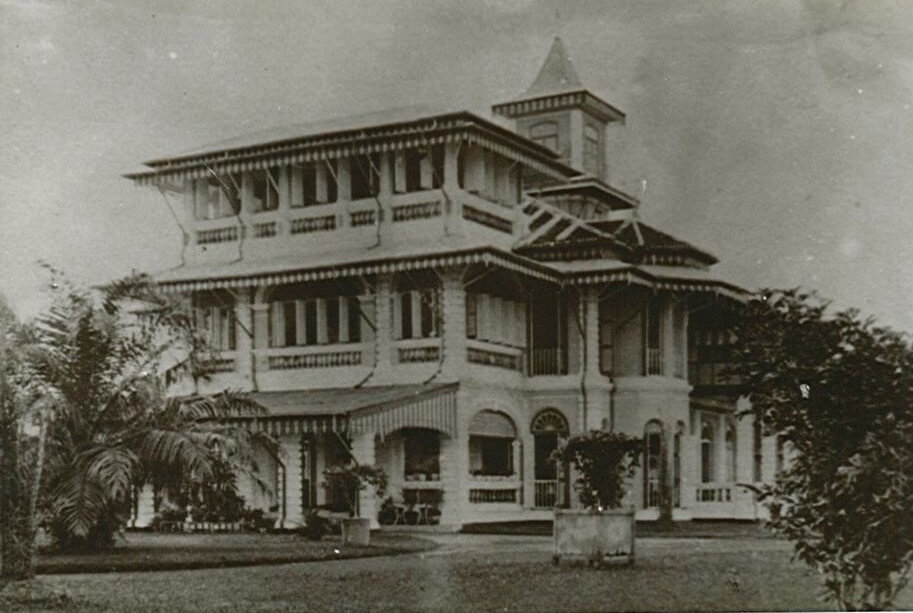
Tyersall Palace, Singapore. (Source: The Royal Abu Bakar Museum)
The Woodneuk Palace, Singapore
In 1860 Maharaja Abu Bakar acquired a house called Woodneuk and surrounding gardens of 30 acres at Tanglin Singapore adjacent to Tyersall from Captain John Dill Ross for his fourth consort Sultanah Khatijah, a lady of Turkish descent. They were married on 22 September 1893, in Istanbul, two years after the demise of Maharani Fatimah. In 1895 Sultan Abu Bakar bequeathed Woodneuk to Sultanah Khatijah.
Sultan Ibrahim bought the property from her before she died in 1905. He rebuilt Woodneuk from the proceeds of his rubber estates at Pasir Pelangi and Tasik Utara. During the war, the British army constructed camps within its grounds accommodating a brigade headquarters and the Indian Military Hospital. On 12 February 1942, the Japanese bombed and destroyed the camp. After the war, the palace was renovated and leased to the Singapore government for the use of high-ranking British military officers. Once the private property of Sultan Iskandar, the palace and its grounds is now the private property of Tunku Ismail, the Crown Prince.
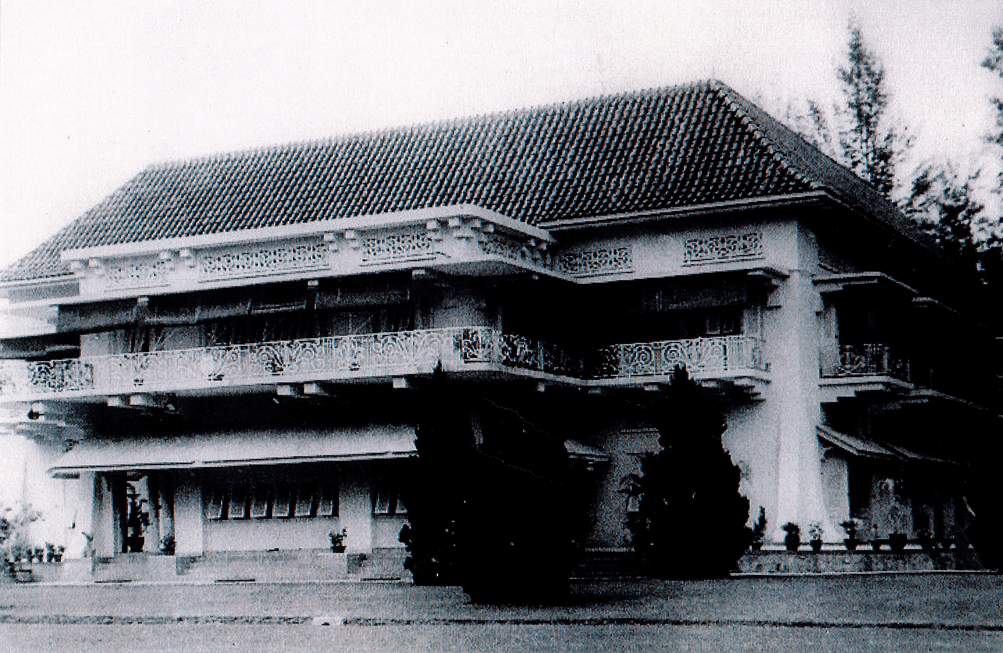
Woodneuk Palace, Singapura. (Source: Historic Imagery Gold Green Associates-S.B) (Source: The Royal Abu Bakar Museum)
The Grand Palace (Istana Besar) Johor Bahru
Maharaja Abu Bakar was desirous of a physical symbol to reflect his sovereignty and ownership in Johor. He planned for the construction of a residence magnificent in size and grandeur to commensurate with his majesty and authority. The imposing building should be larger than the residence of the British Governor in Singapore. He chose a strategic location at Bukit Bintang facing the Straits of Johor. The Grand Palace is set within a 300-acre botanical garden.
Construction began in 1864. The contractor chosen was Wong Ah Fook, supervised by Dato’ Yahya Awaludin, an engineer and architect in Abu Bakar’s Cabinet. The design of the palace was “Anglo Indian in build, in style Renaissance” (Florence Caddy). The ceramic tiles were imported from Europe, marble from Italy, roof tiles from China, granite from Pulau Ubin, bricks from Singapore and teak wood from Johor. Construction took two years. The palace was officially opened on 1 January 1866, the same date as the renaming of Iskandar Puteri to Johor Bahru.
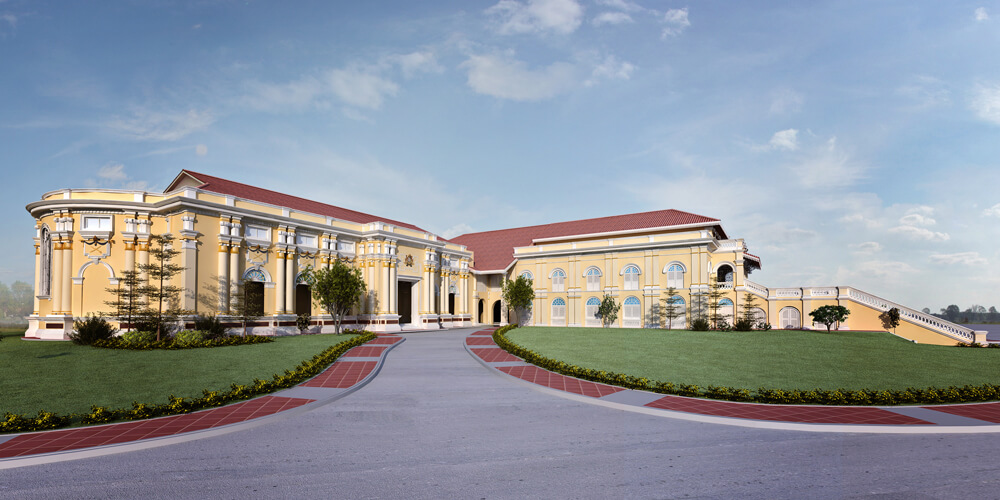
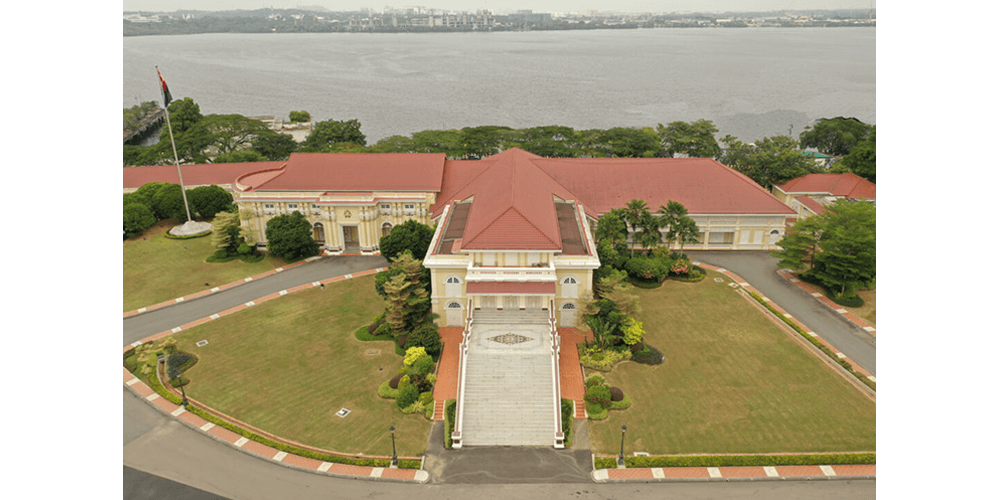
The Grand Palace, Johor Bahru
The Grand Palace was not used as Abu Bakar’s residence. Instead, it was used as an audience hall and accommodation for visiting monarchs and royalty. Abu Bakar had embarked on six visits to England, Europe, Turkey and the Far East, including Japan, to introduce Johor to the world and establish international trade. In order to strengthen cordial relations with foreign royalty, he invited them to be his guests and see Johor's development.
Among the royalty that stayed at the Grand Palace were:
- 1869 – the Duke of Edinburgh
- 1871 – the Russian Grand Duke
- 1880 – Prince Henry of Prussia
- 1881 – King David Kalakua of Hawaii
- 1882 – Prince Albert Victoria and Prince George of Wales
- 1907 – The Duke of Connaught
- 1924 – King Rama of Siam
- 1929 – Marquis Tokugawa of Japan
In 1868 the treasury, land and survey, customs and education offices occupied the ground floor of the palace, thus giving rise to the saying “The Palace is the Government, and the Government the Palace (Istana itu kerajaan, kerajaan itu Istana).
The Grand Palace saw many historic occasions. The coronation of Sultan Abu Bakar there on 29 July 1886 created history as the first Malay ruler to be crowned. The coronation of Sultan Ibrahim and Tunku Ampuan Maimunah was held on 2 November 1895, Sultan Ismail and Sultanah Ungku Tun Aminah on 10 February 1960, and His Majesty Sultan Ibrahim and Her Majesty Raja Zarith Sofiah Permaisuri Johor on 23 March 2015.
The United Malay National Organization (UMNO) was founded on 11 May 1946 during the Third Malay Congress held at the Grand Palace and officiated by the Regent Tunku Ismail. In 1988 Sultan Iskandar decreed the palace to house the Royal Abu Bakar Museum, where historical artifacts of the Sultanate are kept and displayed.
Tanjong Palace, Muar (Istana Tanjong)
In 1884 Maharaja Abu Bakar built a palace at Tanjong Ketapang Muar and named it Tanjong Palace. In 1886 a garrison of the Johor Military Forces was stationed at the palace compound to assist the police constabulary in maintaining law and order in Muar. Abu Bakar intended Muar to be an example to the British of his capability in developing and governing Johor. In 1895 he celebrated his day of ascension to the throne at the palace. The palace was situated in a marshy area and not suitable for health. In 1897 Sultan Ibrahim built a palace at Jalan Petrie and retained the name Tanjong Palace. In 1968 Sultan Ismail demolished the building and constructed a new Tanjong Palace on the current site.
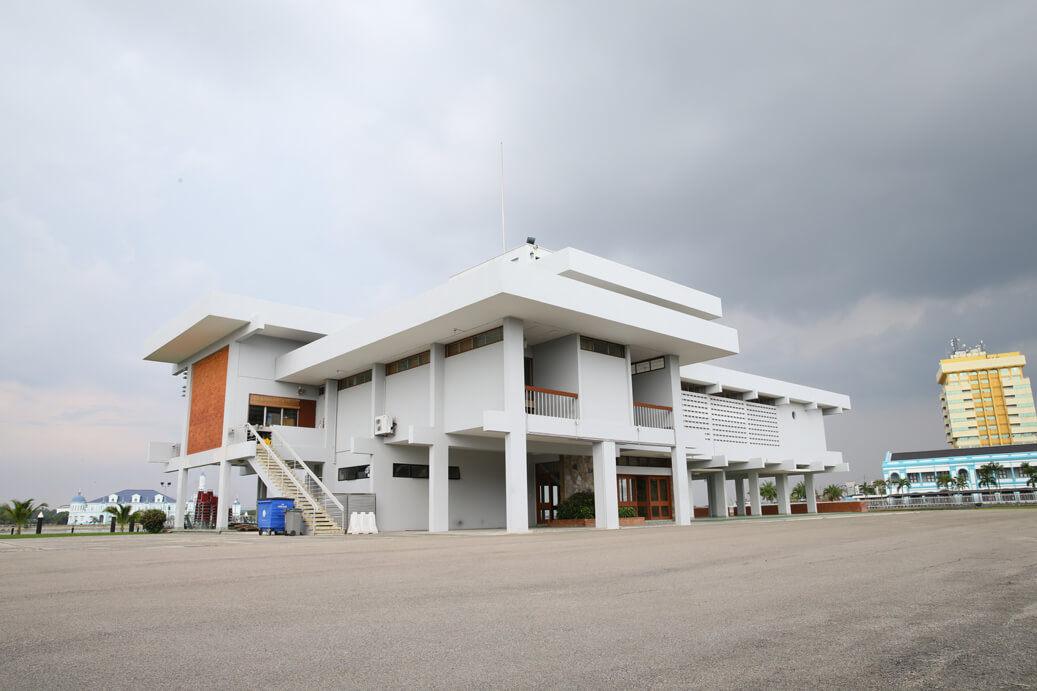
Tanjong Palace, Muar.
The Palace Of Four Towers, Johor Bahru (Istana Menara Empat)
Abu Bakar had a palace constructed at Bukit Sri Manggis, a hill in front of the Harbour Master’s office in Jalan Skudai (now Abu Bakar Boulevard). The design of the palace with four towers was fashioned after Hardwick Castle in London and had various names such as Istana Menara Empat (Four Towers), Istana Tambatan (Jetty), Istana Pantai (Shore), and Istana Laut (Sea) due to its proximity to the Straits. In 1892, Abu Bakar moved all the offices except the treasury from the Grand Palace to the Palace of Four Towers. The palace was used as the English College Boarding School until 1913, after a fire completely destroyed the building. In the 1950s, the Straits View Hotel was constructed on the site of the palace.
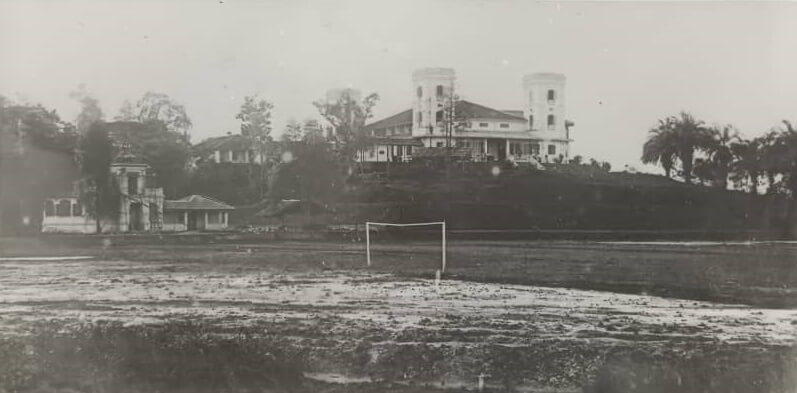
The Palace of Four Towers, Johor Bahru. (Source: The Royal Abu Bakar Museum)
Istana Zahrah, Johor Bahru (Zahrah Palace)
In 1886, Sultan Abu Bakar constructed three other palaces within the grounds of the Grand Palace. The Zahrah Palace was named in honour of his sister Ungku Zahrah binti Temenggong Daeng Ibrahim. The palace had an audience hall with a clove-like design, complete with carvings of the clove and its leaves on its walls, hence the name Clove Hall (Balai Cengki).
Sultan Abu Bakar moved from Tyersall Palace in Singapore and resided at Zahrah Palace on 27 May 1889. Che’ Puan Khatijah Hanum was crowned Sultanah at the Balai Cengkih on 28 February 1894. Crown Prince Tunku Ibrahim was proclaimed Sultan there on 7 September 1895. The Palace was used as Bukit Zahrah English School in 1913. In the 1970s, the building was used as the Bukit Zahrah Religious School but has since been closed. The Palace is presently undergoing restoration.
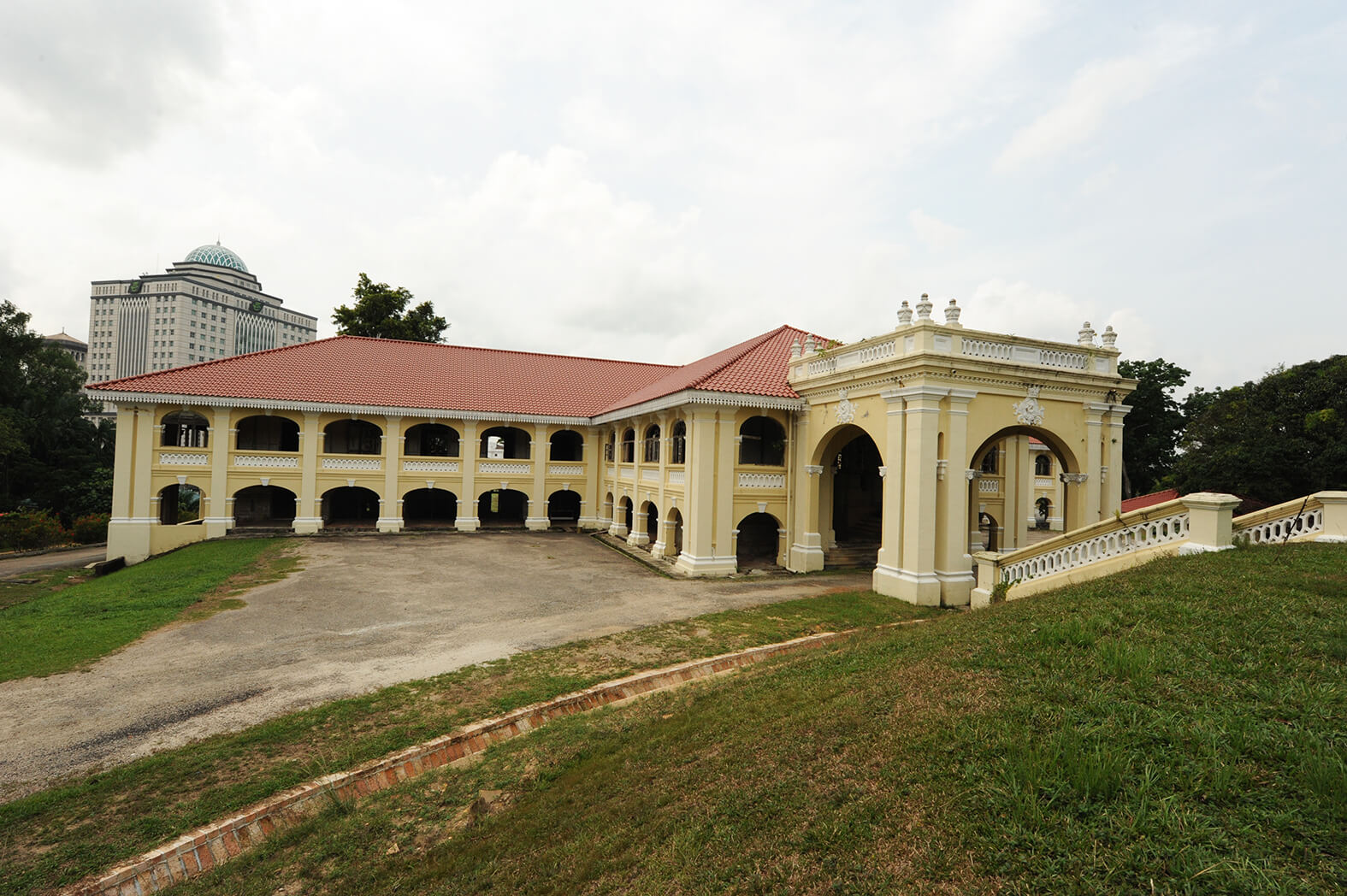
Istana Zahrah, Johor Bahru (Zahrah Palace)
Istana Semayam And Istana Marbal, Johor Bahru
Sultan Abu Bakar had two more palaces constructed within the royal botanical garden of the Grand Palace. The contractor for both palaces was Wong Ah Fook. Dato’ Yahya Awaludin designed the Istana Semayam (Residential Palace). Sultan Sir Ismail was born at the palace on 28 October 1894. Sultan Iskandar was born there on 8 April 1932. Unfortunately, an errant artillery bombardment by the retreating Commonwealth Forces in Singapore caused a fire and destroyed the palace. The design for Istana Marbal was based on Malborough House in London. The name Marbal was shortened to suit the local pronunciation. The palace was the official residence of Tunku Aris Bendahara Abu Bakar, the second son of Sultan Sir Ibrahim.
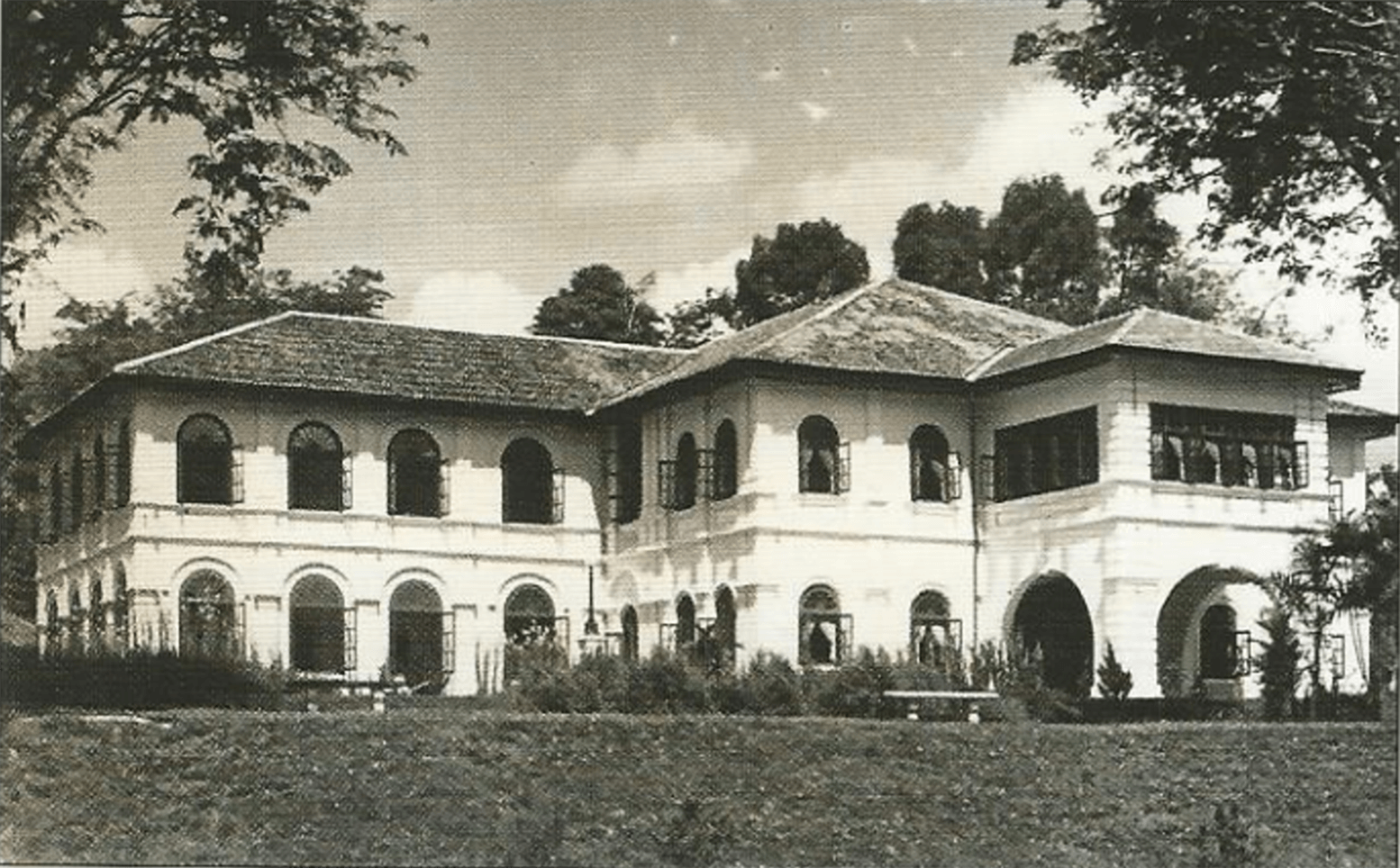
Semayam Palace, Johor Bahru.
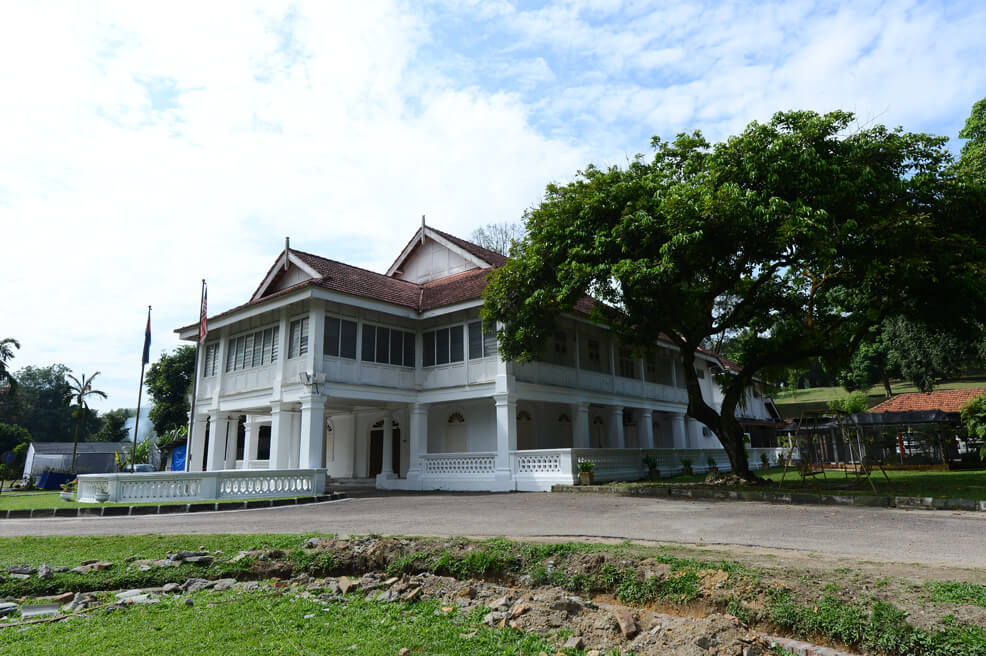
Marbal Palace, Johor Bahru.
Istana Pasir Pelangi, Johor Bahru (Pasir Pelangi Palace)
In 1898, Sultan Ibrahim opened a dairy farm at Pasir Pelangi on the eastern side of Johor Bahru town. A rainbow appeared during the official opening of the farm, prompting Sultan Ibrahim to name the area Pasir Pelangi (Rainbow). He transplanted 1000 acres of gutta perca vines near the farm, replaced it with Brazil rubber, and named the area Pelangi Rubber Estate. In 1911, he built the Istana Pasir Pelangi, complete with paddocks for horses and garages for his motorised trucks. He also constructed the Pasir Pasir Pelangi Mosque and later endowed it to the Johor Islamic Religious Department.
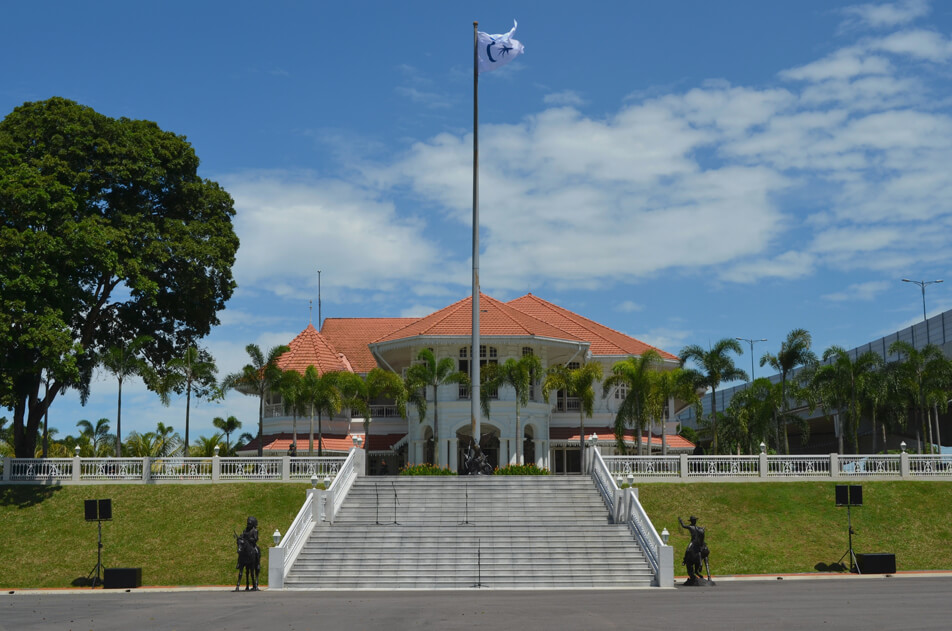
Pasir Pelangi Palace, Johor Bahru.
Istana Bukit Serene, Johor Bahru (Serene Hills Palace)
In 1935 Sultan Sir Ibrahim and Sultanah Helen chose a site on the hills facing the Straits of Johor. Sultanah Helen was impressed and attracted to the serenity of the site. Architect Frank W. Brewer prepared the architectural design of the palace based on luxurious Cornish manors in England. The walls were made of rough granite rubble, and the steep roofs were made of green-coloured tiles imported from Holland. When completed, the palace was named Istana Bukit Serene.
The palace is surrounded by 250 acres of woodland. The two-storey building houses two master bedchambers, three family bedrooms, a living room, a dining room, a fully equipped kitchen, and other facilities. On the north side of the palace is a Spanish-style swimming pool. On the eastern side is a 35m water tower.
The palace was built at the cost of $600,000 and was completed in 1937. The Johor State government presented the palace to Sultan Ibrahim to commemorate his 40-year reign. During World War II, the commander of the Japanese Imperial Army, Lt. General Tomoyuki Yamashita, with Sultan Ibrahim's permission, housed his headquarters at the palace as the water tower could be used as an observation tower to monitor the movements of the Commonwealth forces in Singapore. Istana Bukit Serene is the official residence of the Sultan of Johor.
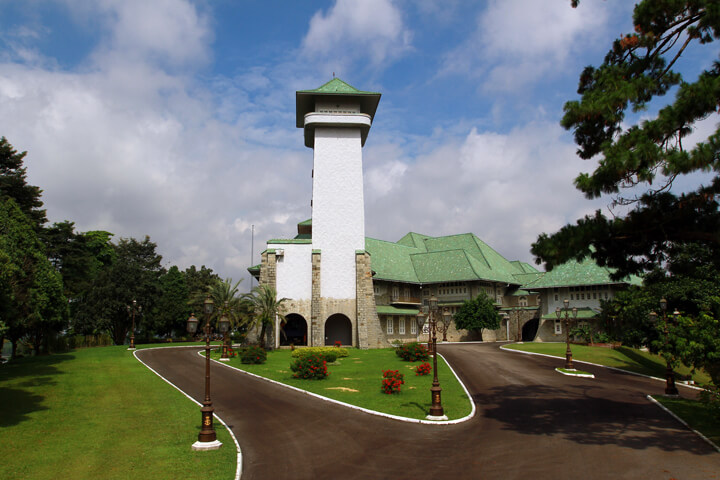
Serene Hills Palace, Johor Bahru.
Rumah Tempat Datang-Datang
(Istana Batu Pahat)
On a visit to Batu Pahat in 1911, Sultan Ibrahim suggested a residence be constructed at the foothills of Gunung Banang. The residence was aptly called Rumah Tempat Datang Datang to provide accommodation on his visits. Locals prefer to call it Istana Batu Pahat (Batu Pahat Palace). The residence of the State Commissioner as the official representative of the Sultan and barracks for the Johor Military Forces garrison was constructed in close proximity to the palace. In 2015, His Majesty Sultan Ibrahim had the building demolished, and a new residence was constructed based on the original design. His majesty further decreed the name Rumah Tempat Datang Datang to be preserved.
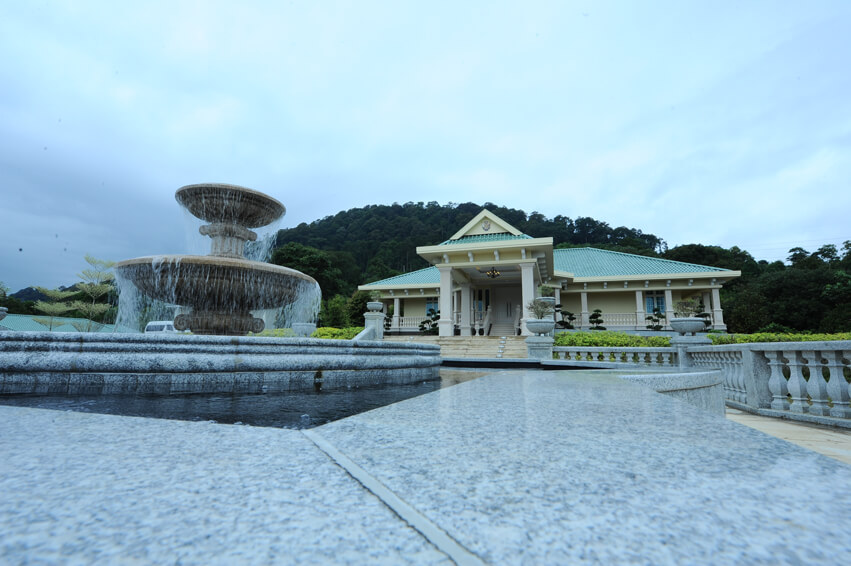
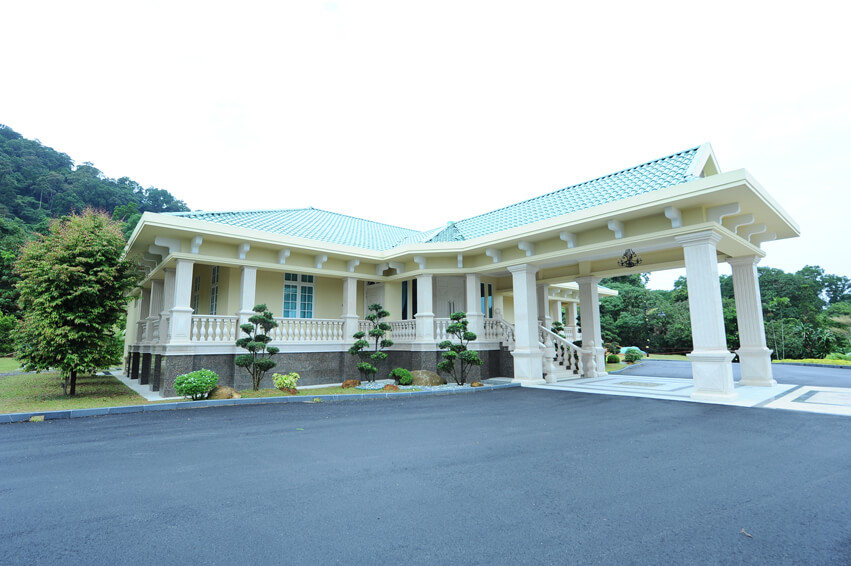
Rumah Tempat Datang-Datang (Istana Batu Pahat).
The Shooting Box (Istana Segamat)
One of the favourite pastimes of Sultan Sir Ibrahim was big-game hunting, including elephants, tigers, bears, rhinos, and wild boars. The animals he culled were rouge elephants, man-eaters and others that threatened human lives or destroyed farms. Up till 1927, he shot dead 35 tigers. He possessed hunting skills with bravado, facing the tigers on the ground and shooting them when they pounced.
On his hunting trip to Segamat in 1912, he suggested a residence be constructed for him to rest the night after hunting. Upon completion, the residence was named The Shooting Box and still serves as the Royal Family's official residence on their visits to the district.
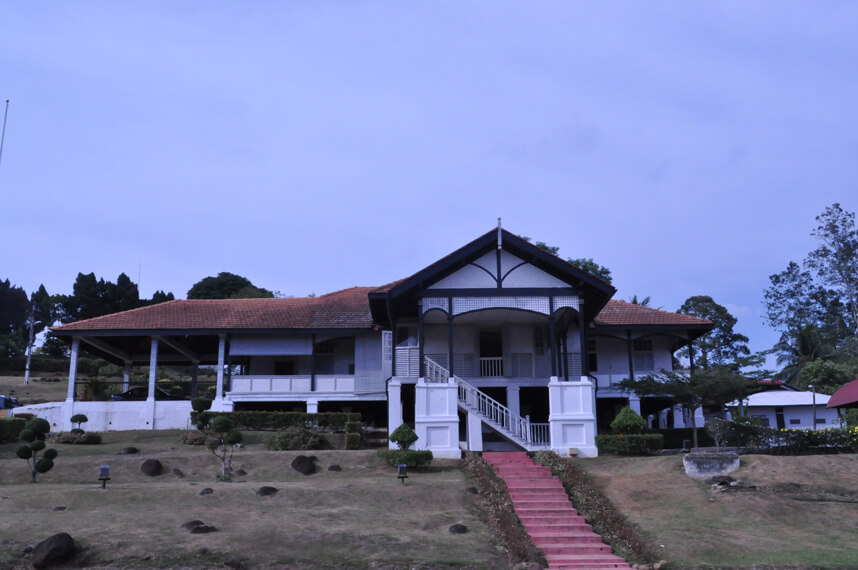
Shooting Box Palace, Segamat.
Sunnyside Palace, Johor Bahru
In 1905, Sultan Sir Ibrahim opened a rubber estate of 1500 acres at Tasek Utara on the northern side of Johor Bahru town. He built a residence at Ayer Molek to accommodate offices to facilitate the management of the estate. The residence came to be known as Ulu Ayer Molek Palace or Tasek Utara Palace. When his mother, Enche’ Besar Zabedah, moved from Istana Bidadari in Singapore to Johor Bahru, the palace became her official residence. It was renamed Sunnyside Palace. She died there on 2 June 1936 at age 88 and was buried at the Royal Mausoleum at Bukit Mahmoodiah. In the 1960s, the building was returned to the government and used as an extension of the education department and later as the youth and sports department. The building was demolished, and in its place now stands the state library.
Istana Mustika Embun, Johor Bahru (Palace Of The Morning Dew)
On 14 September 1897, Sultan Sir Ibrahim held a wedding ceremony at the Grand Palace for his elder sister Tunku Besar Mariam with Tunku Besar Mahmood of Pahang royalty. Tunku Besar Mahmood was later installed as Sultan of Pahang after the demise of his father. Tunku Besar Mariam was elevated as Sultanah of Pahang and given the traditional title Tengku Ampuan Pahang. Not long after Sultan Mahmood died, Sultan Sir Ibrahim brought his sister back to Johor.
In 1910, Sultan Ibrahim purchased the official residence of Dato’ Sri Amar Diraja Abdul Rahman Andak at Bukit Sri Lalang. At that time, Abdul Rahman Andak had moved to London. The residence became the official palace for Tunku Ampuan Mariam and was named Istana Mustika Embun (Palace of the Morning Dew). After her demise, the palace and its compound was endowed to the religious department and was leased to the Tunku Ampuan Mariam College for Muslim girl students.
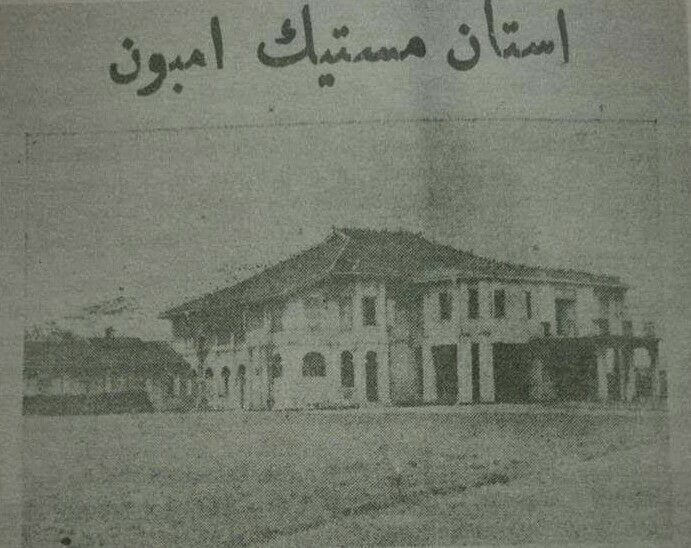
Palace of The Morning Dew. (Source: FB Waqf Tunku Ampuan Mariam)
Coombe Hill Palace
1n 1937, Sultan Ibrahim built several residential houses at Straits View, Bukit Jepun and Coombe Hill with Dutch architectural design. Three houses were built at Coombe Hill, located at the junction of Jalan Gereja and Jalan Abdul Rahman Andak, facing the Catholic Church of the Immaculate Conception. During WWII, the Japanese army occupied the buildings as the headquarters of its Military Police.
In the early 1960s, Tunku Mahmood Iskandar, the then heir presumptive, occupied the residential complex and became named Istana Bukit Coombe. When Tunku Mahmood ascended the throne in 1982, he continued to reside there. The palace was then called Istana Bukit Iskandar. A few years after he moved to the official residence of the Sultan in Istana Bukit Serene, the buildings were demolished following plans to redevelop the area.
Stulang Palace, Johor Bahru
In 1938, Sultan Ibrahim built a palace on 10 acres of land on a hill of Bukit Stulang at the cost of $400,000. The hill was chosen as it overlooks Tanjong Puteri, where his forefather, the Temenggong, first stepped foot after the transfer of ownership of Johor from Sultan Ali in 1855. The palace became the official residence of the then Crown Prince Tunku Ismail.
Among the notable occasions held at the palace were:
- 1956 – The wedding ceremony of Tunku Ismail’s son Tunku Mahmood Iskandar and Che’ Puan Khalsom binti Abdullah (nee Josephine Ruby Treverrow).
- 1958 – The wedding of Tunku Ismail’s daughter Tunku Maimunah to Tunku Osman Ahmad.
Between 1970-1986 the palace was leased by the Johor government to be used as official accommodation for visiting royals and heads of state. The Sultans of Kedah, Terengganu and Pahang, respectively, stayed there when they were the Paramount Ruler (Yang Dipertuan Agong) during their sojourn to Johor. In addition, Prime Ministers Tun Abdul Razak, Tun Hussein Onn and Tun Mahathir, as state guests, stayed there during their official visits to Johor. Sultan Iskandar, who inherited the property after the death of Sultan Ismail, graciously conferred it to his sister Tunku Maimunah.
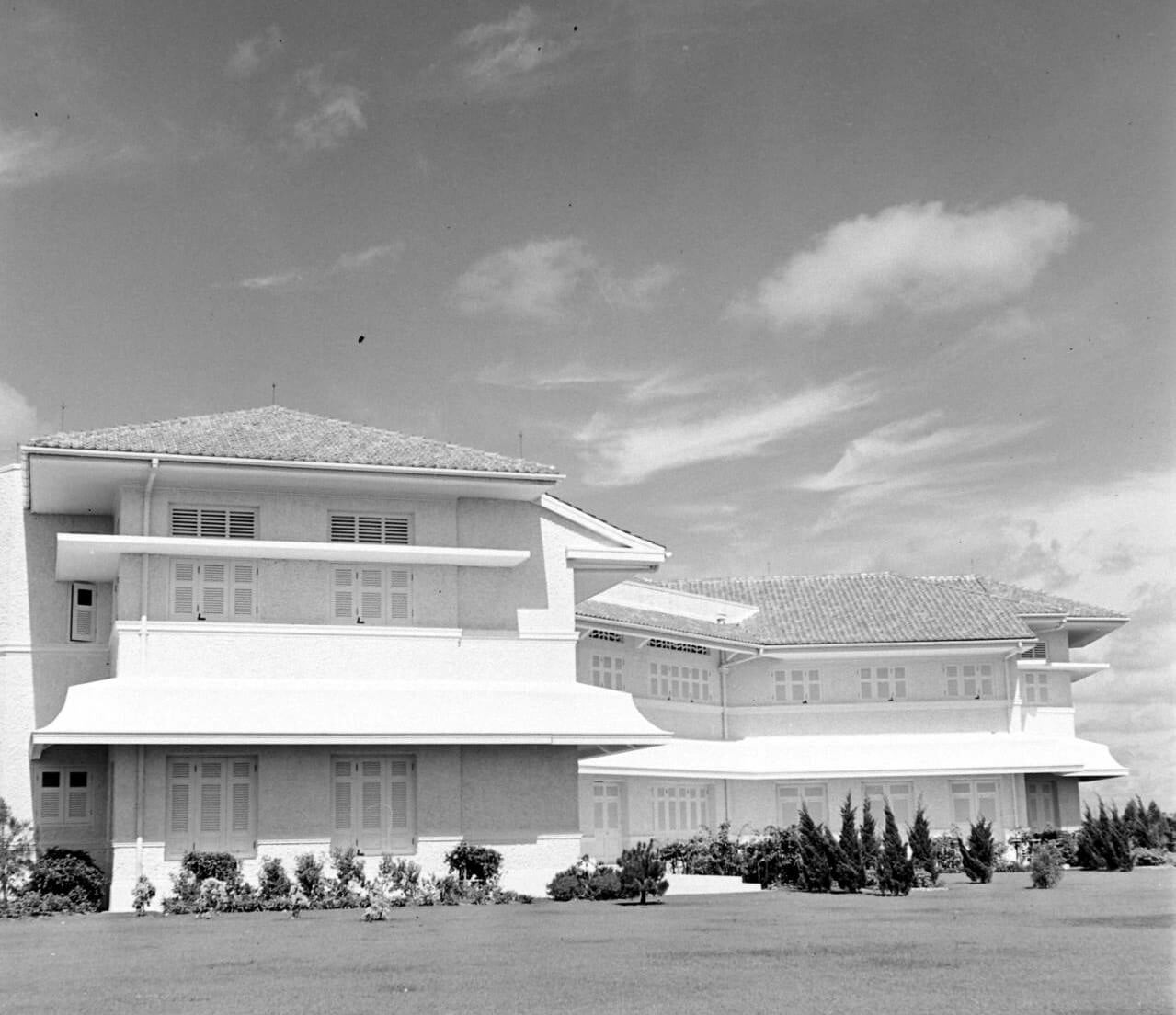
Stulang Hills Palace, Johor, 1941. (Source: The Royal Abu Bakar Museum)
Polo Palace, Johor Bahru
Sultan Ibrahim introduced the equestrian sport polo in 1920 when he formed the Royal Johor Polo Club. A clubhouse named The Pavilion was constructed at Pasir Pelangi. The name was later changed to The Johor International Club.
In 1979, Sultan Ismail built a palace near the Clubhouse and named it Polo Palace as an accommodation for his royal guests. In 1987 Republic of Indonesia President Suharto, a state guest of Sultan Iskandar stayed at the palace. Presently the palace is the official accommodation for visiting royals and heads of state.
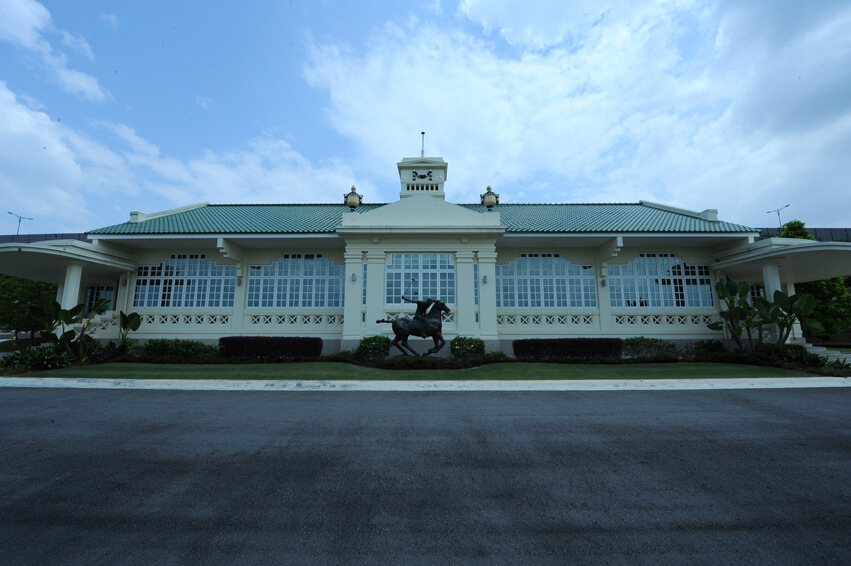
Polo Palace, Johor Bahru.

 English
  Malay
Malay