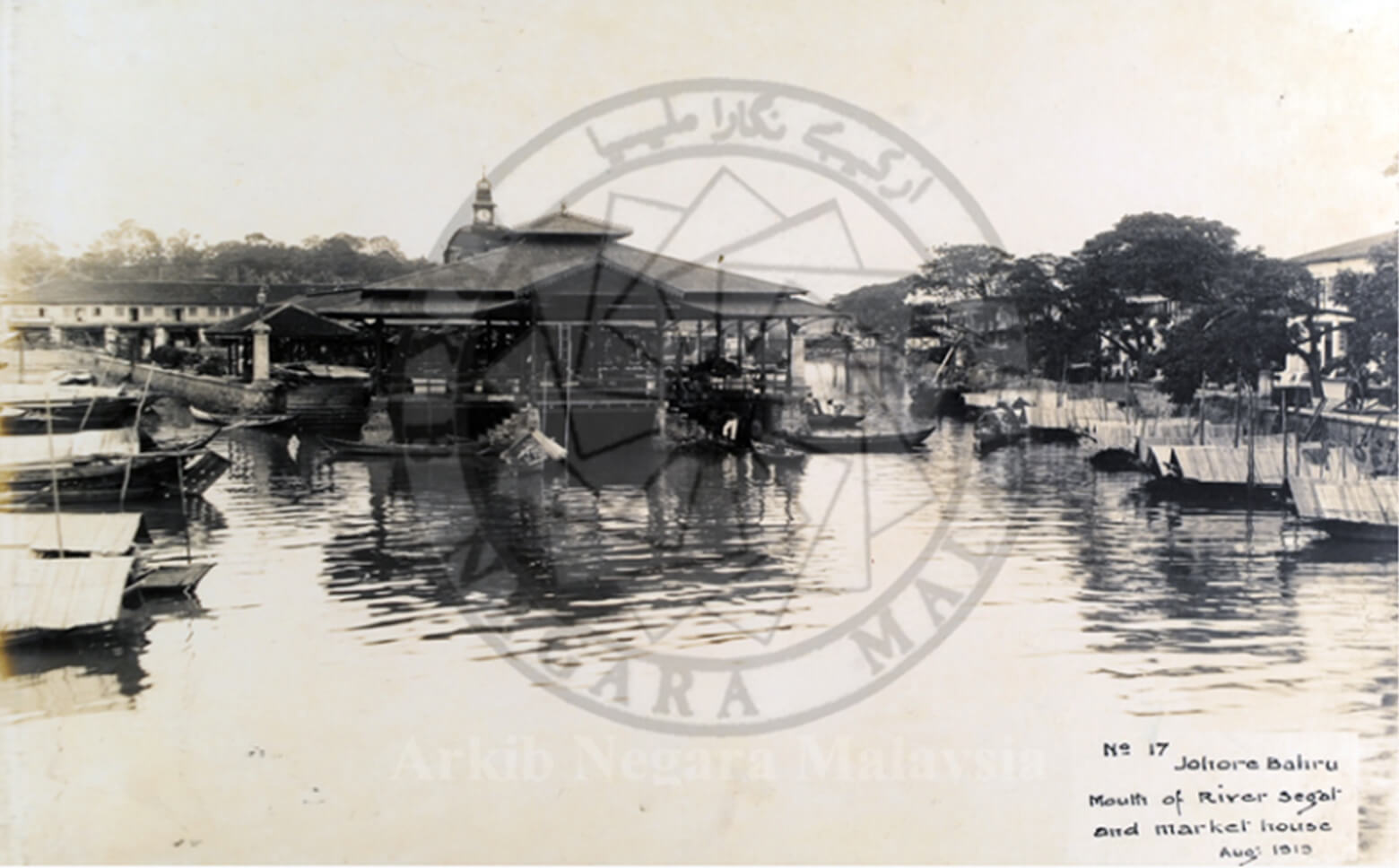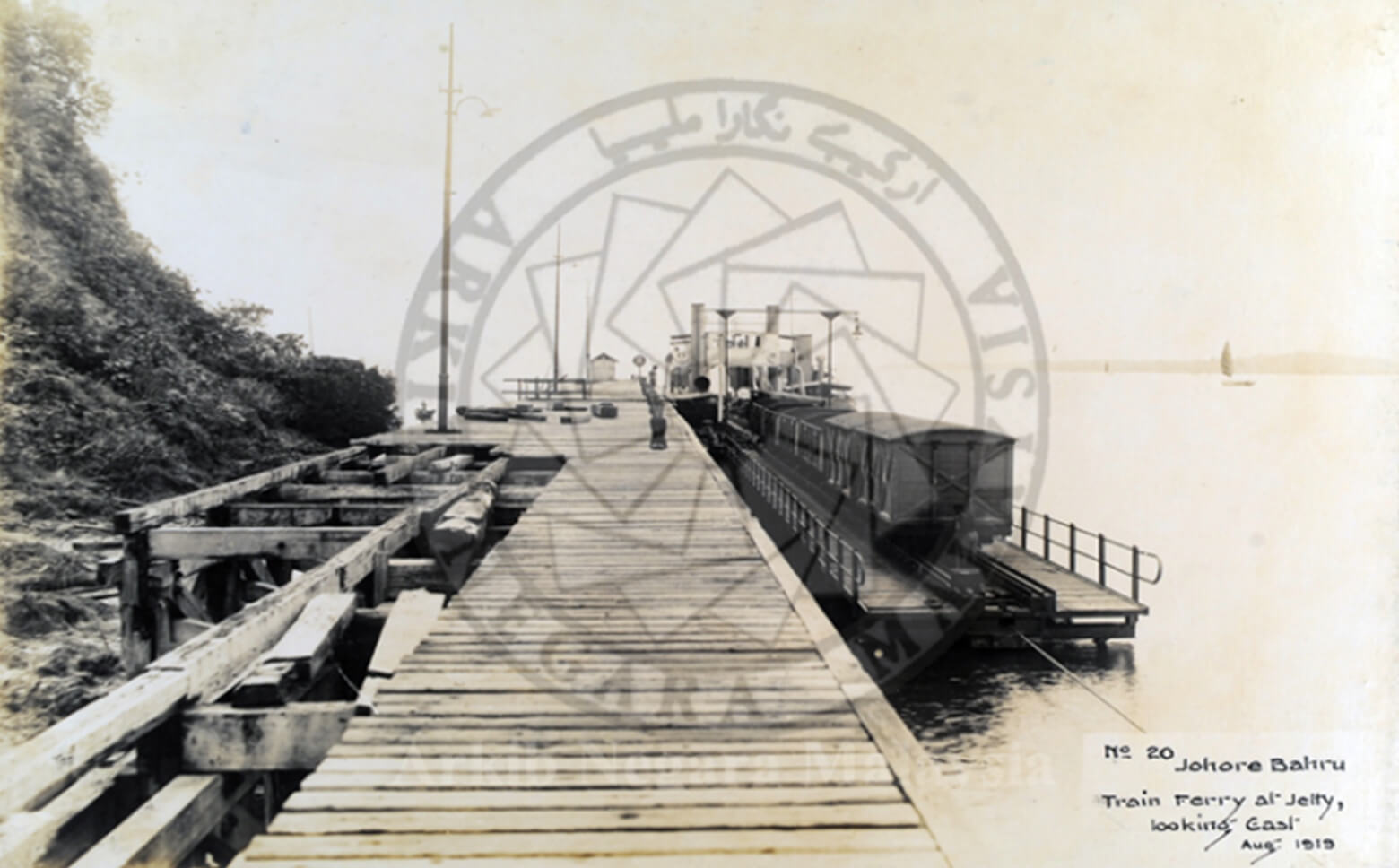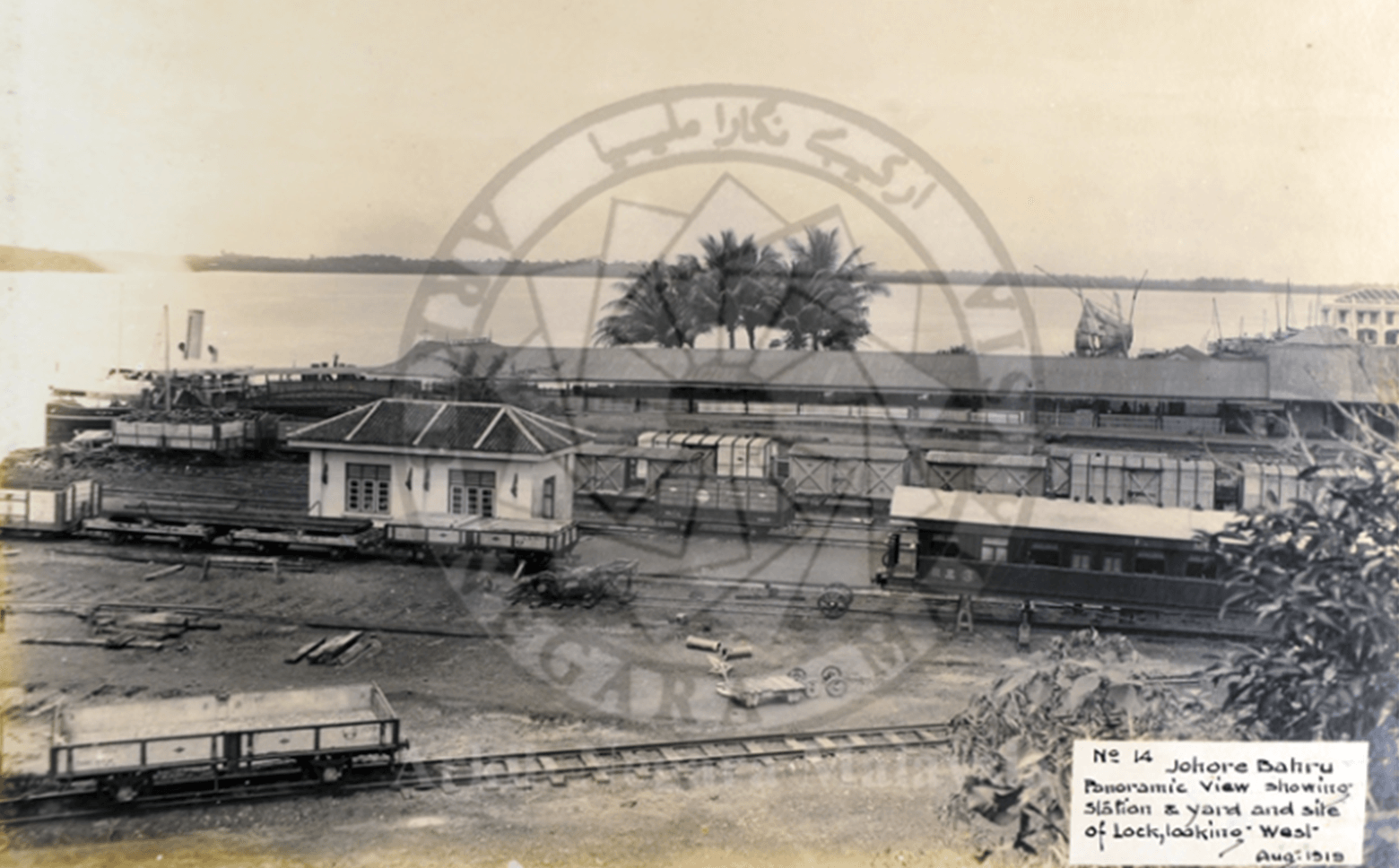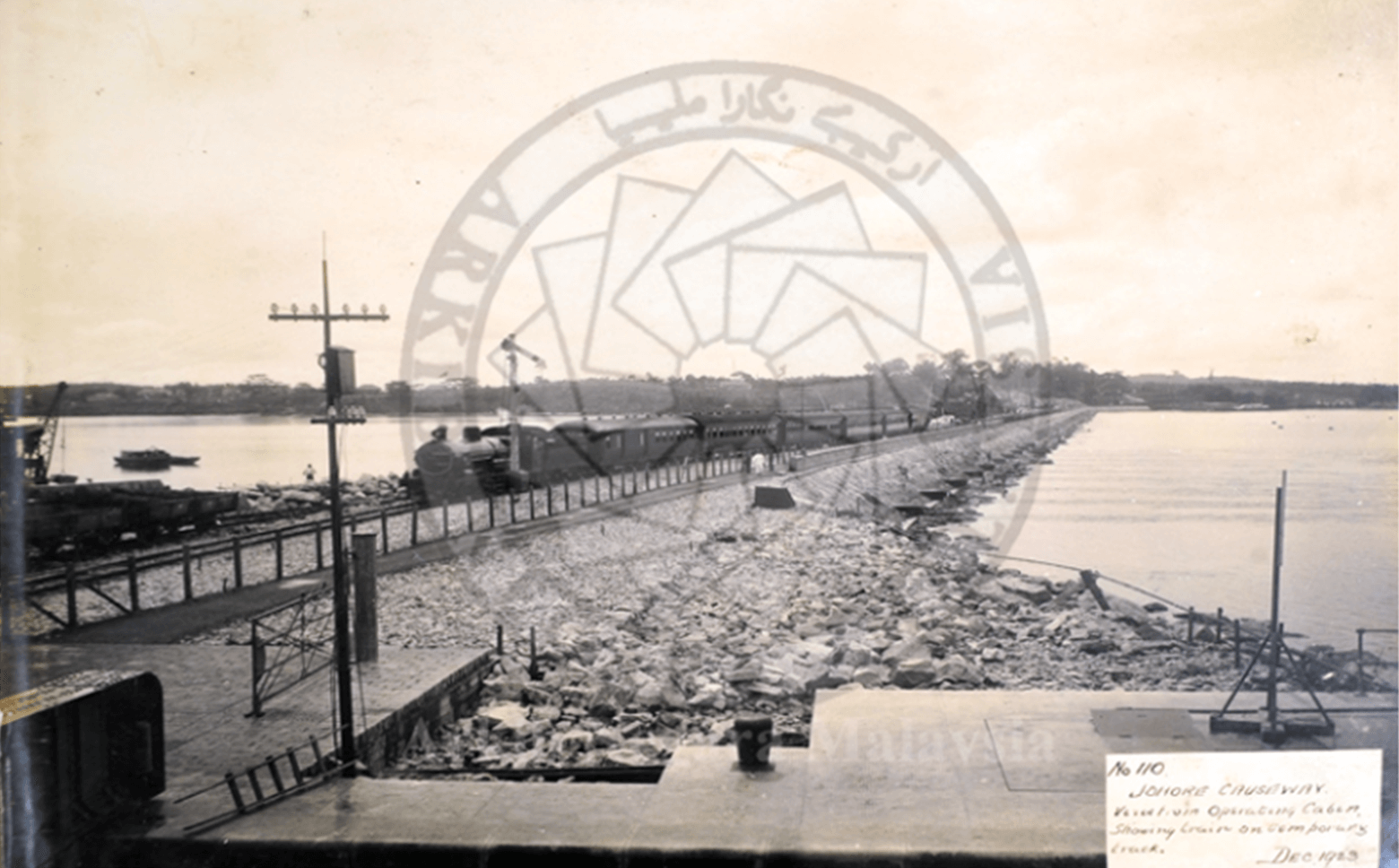

Among the basic infrastructure needed for the development of Johor planned by the Sultanate was the construction of roads as a means of land communication and transport. Towards this end, the Dato' Bentara Luar Dato' Mohamad Saleh bin Perang a qualified land surveyor, was tasked with drawing up layout plans, including roads for the towns. However, the construction of roads was the responsibility of the public works department headed by Dato' Yahya Awaludin.
Infrastructure
Roads And Railways
Hospitals, Schools, Bridges, Ports and Airports
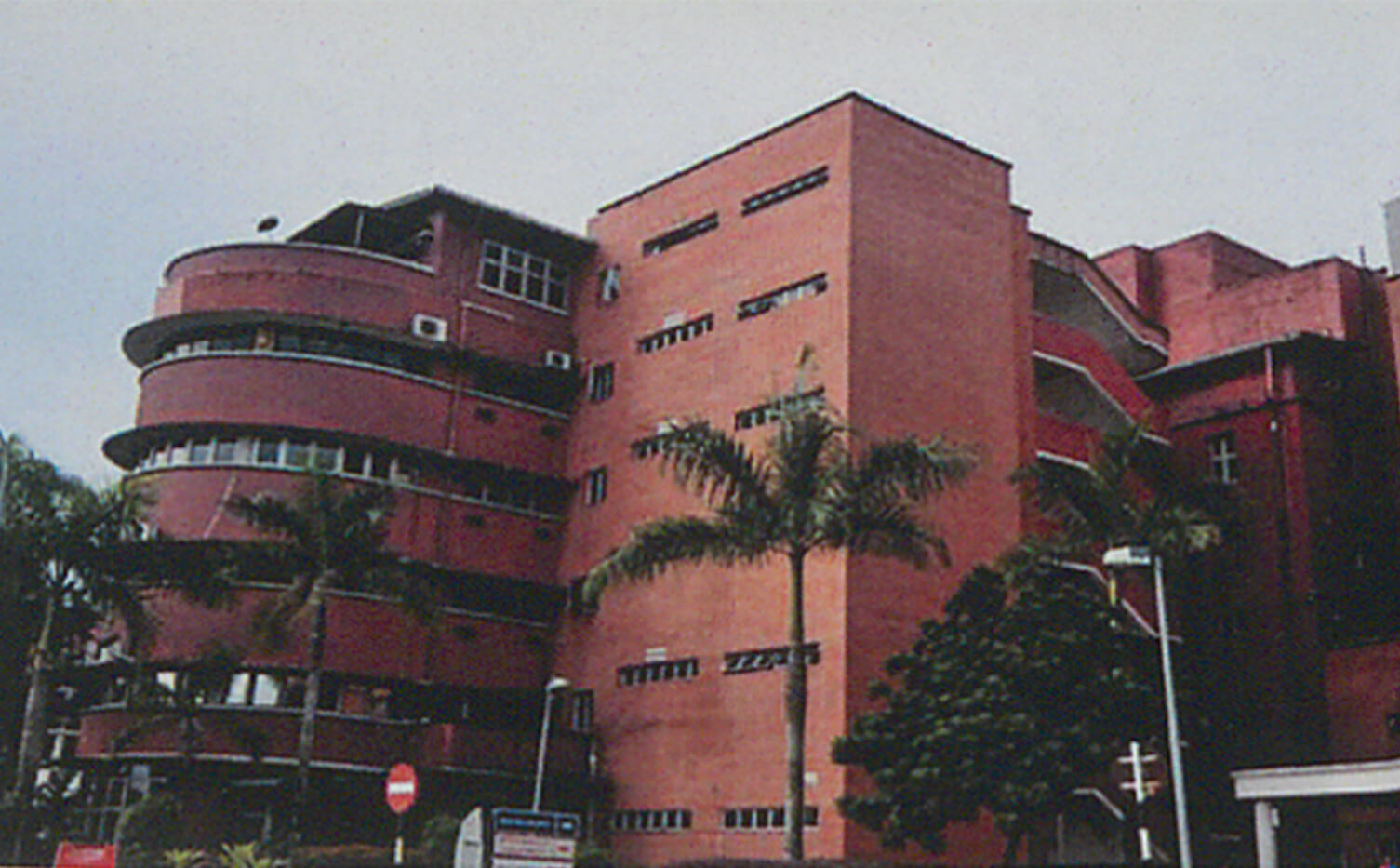
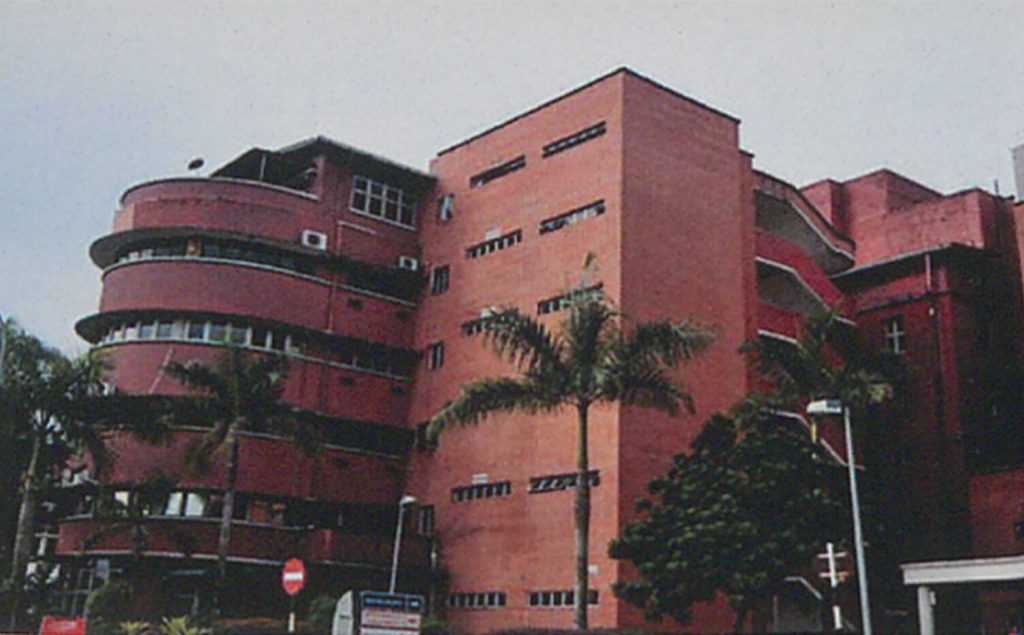
Sultan Sir Ibrahim continued with infrastructure projects like bridges, schools, and hospitals. The Singapore Directory of 1890 mentioned that Johor Bahru was a pretty town with well-laid roads, an esplanade over a mile long, large hospitals, waterworks and wharves. The first electricity-generating plant was constructed at Jalan Air Molek in 1922. The reign of Sultan Ismail saw the development of the Johor Port at Pasir Gudang and an international airport at Senai. With the increase in international trade, a container port was constructed at Tanjong Pelepas.


Wharves, Jetties
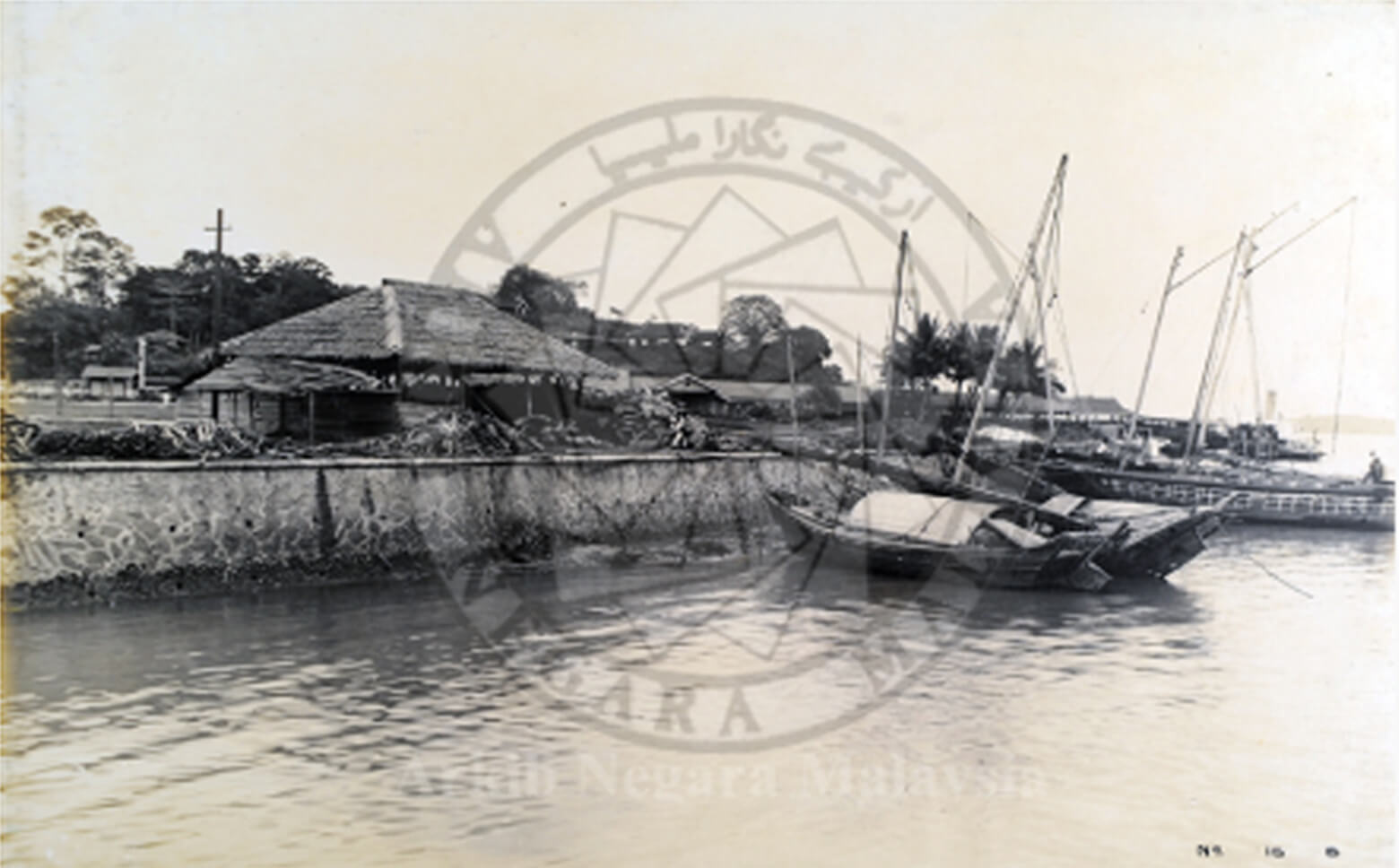
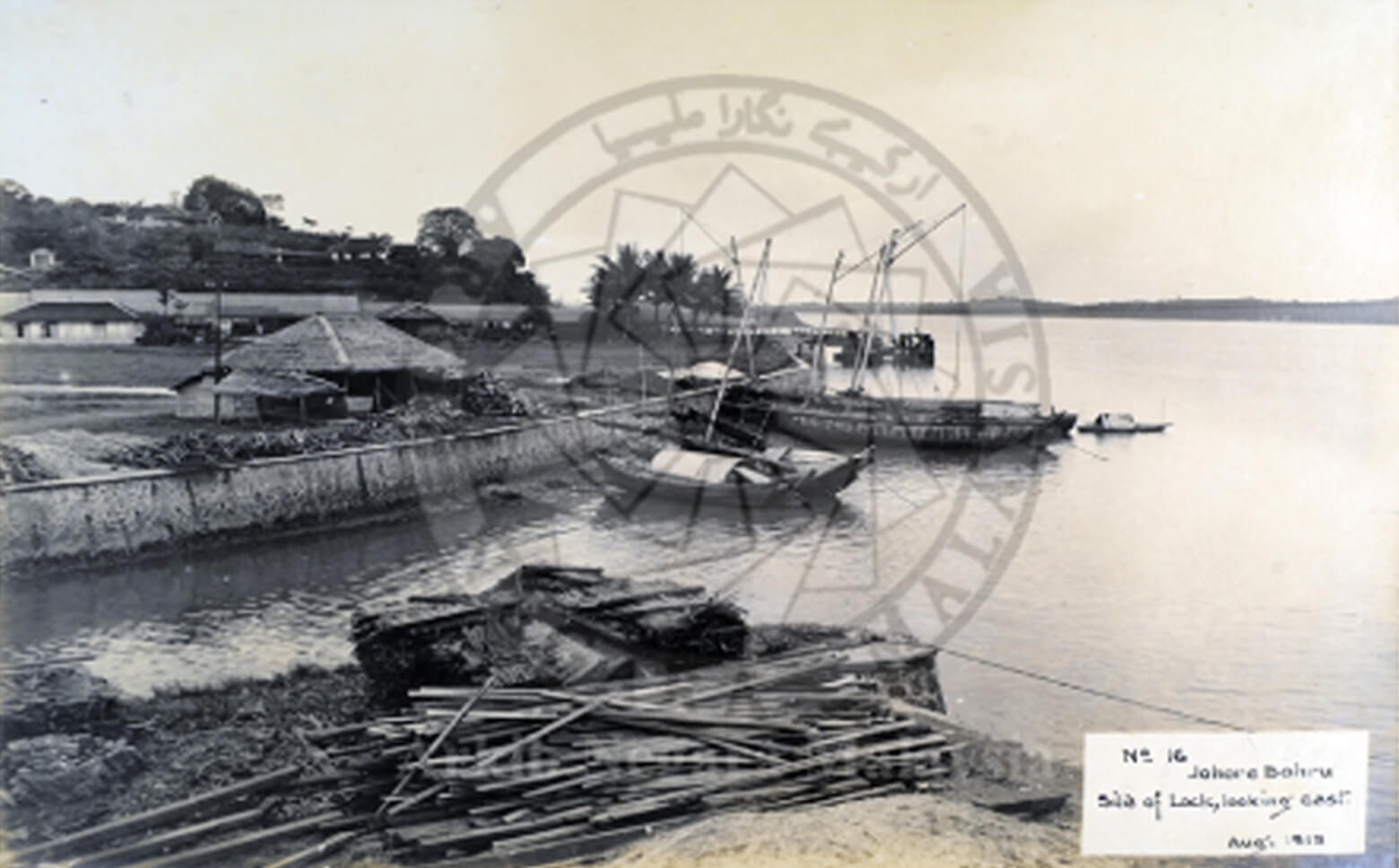
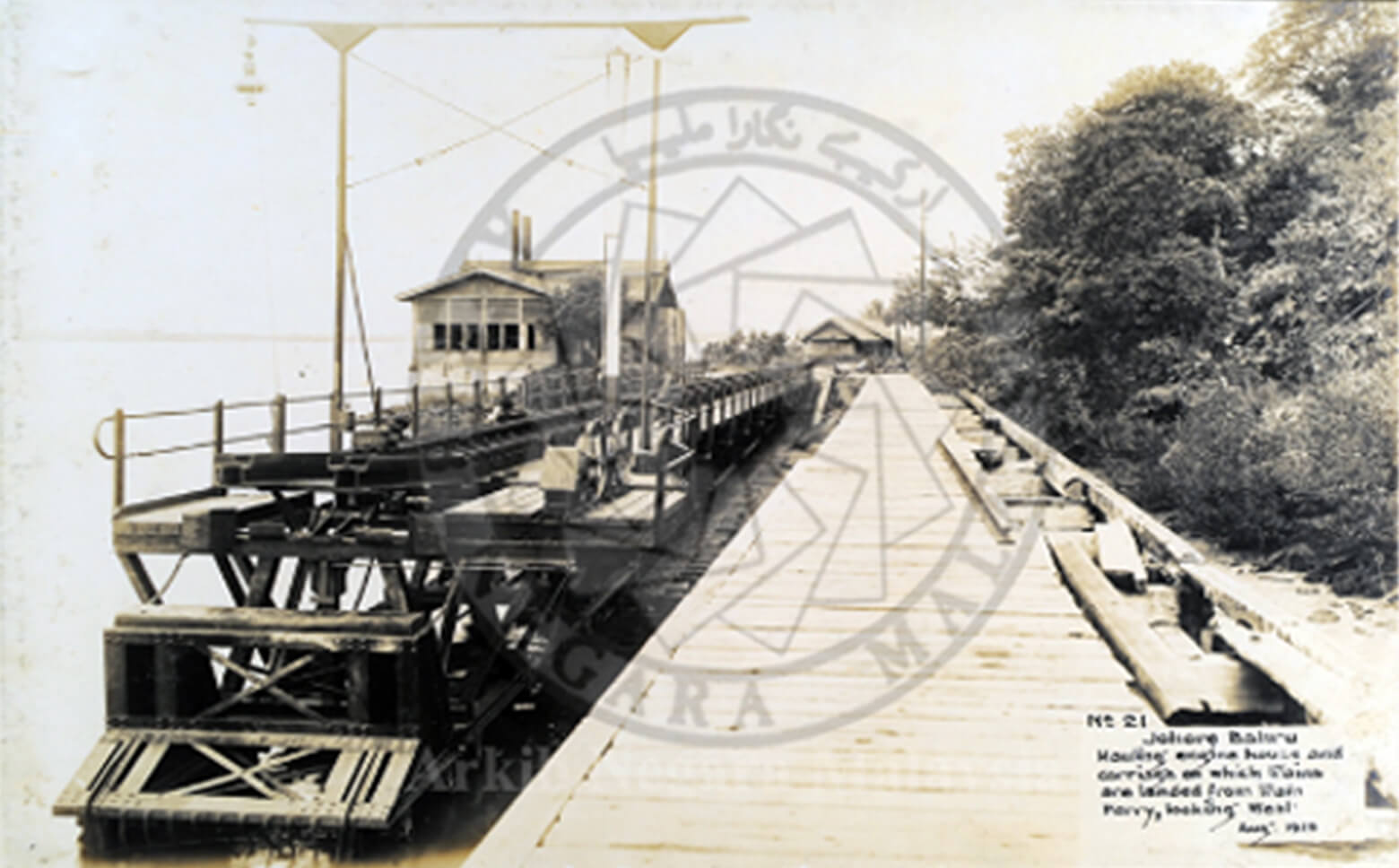
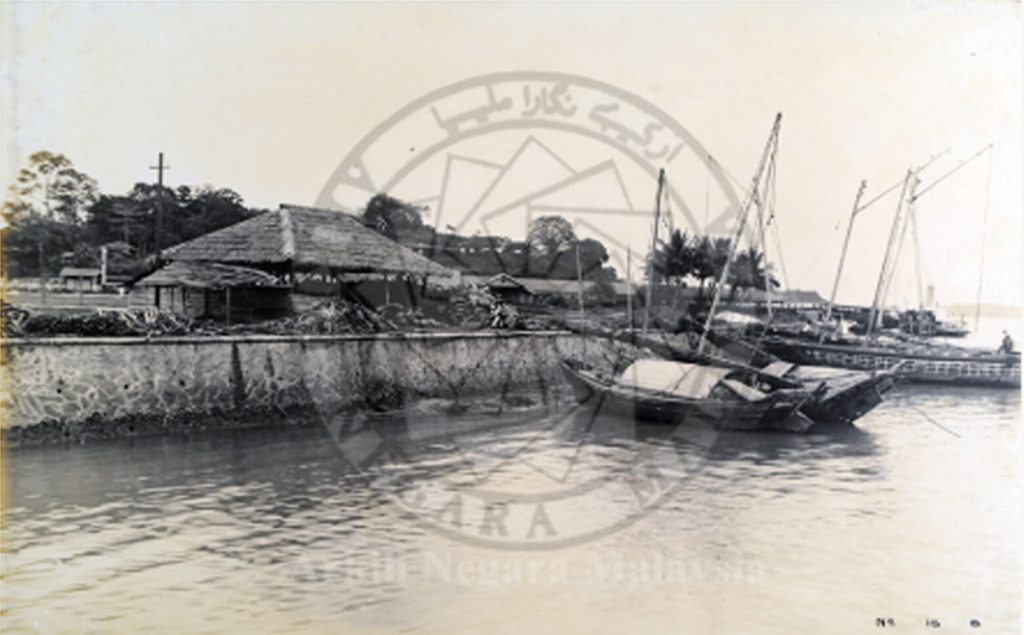
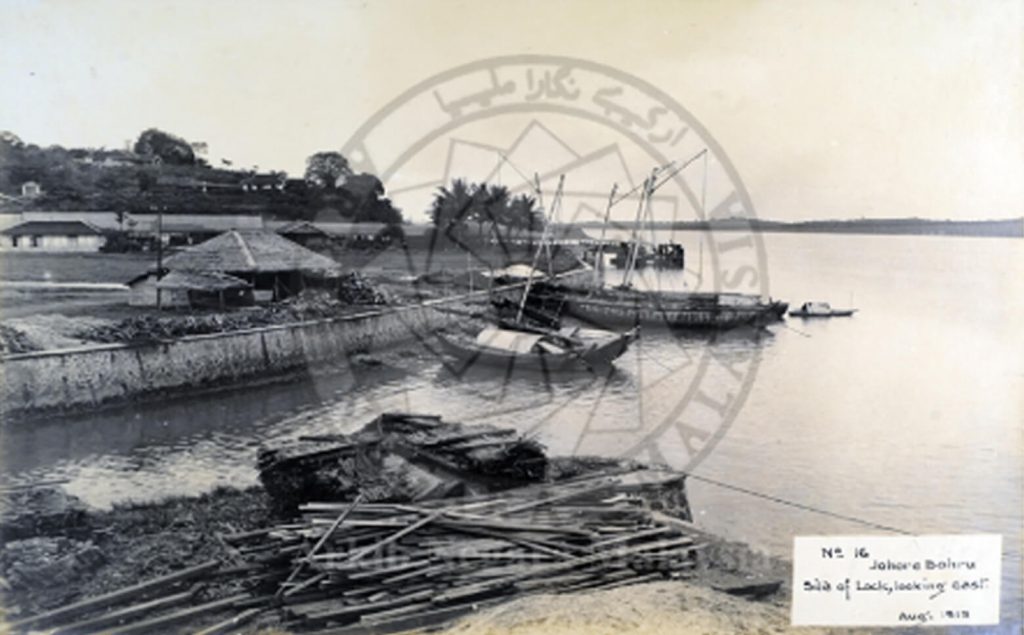
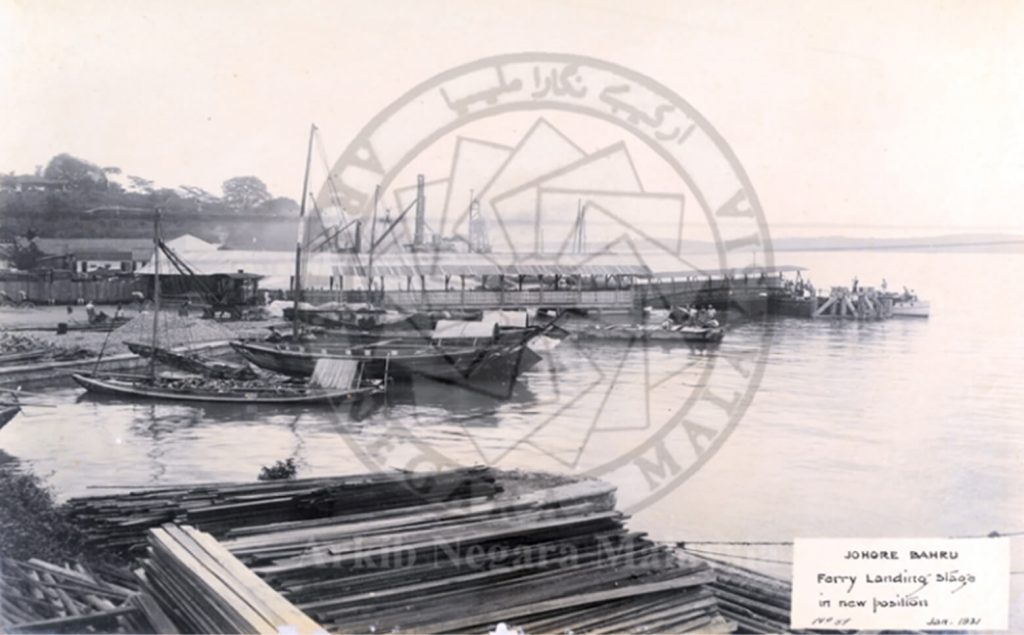
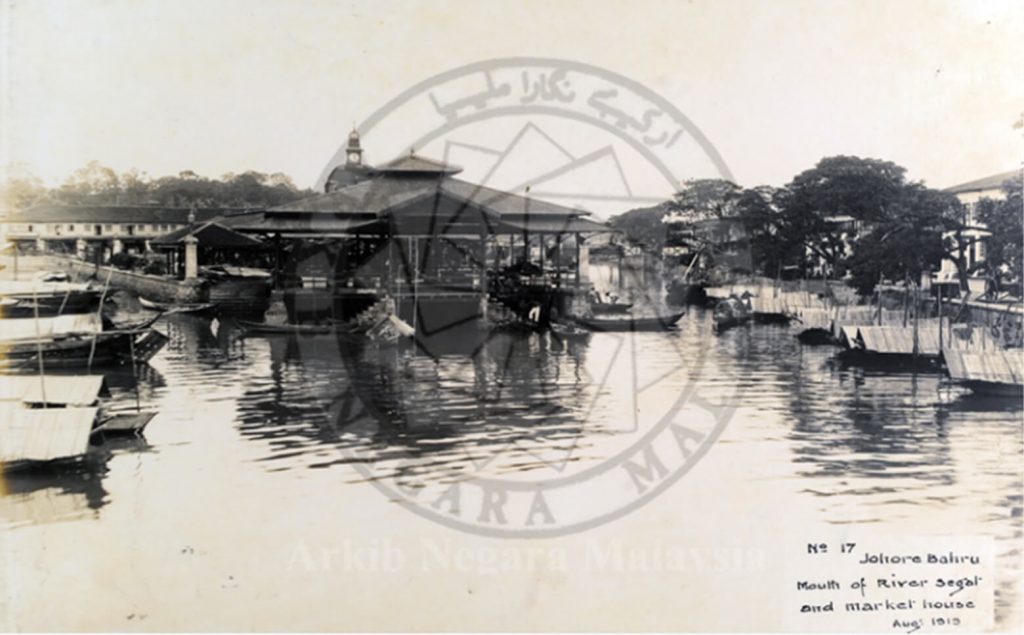
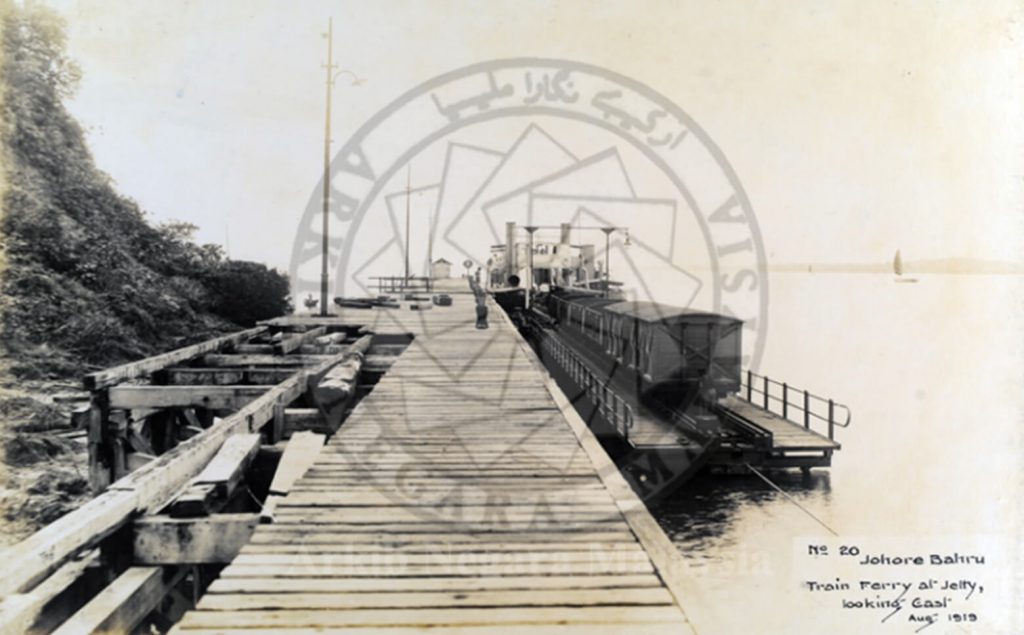
Other infrastructure development included piers and jetties for water transport, including coastal steamers and ferries. A port was developed at Tanjong Puteri and in Bandar Maharani for barter trade and export of local commodities. A tax was levied on commercial vessels plying the port at Tanjong Puteri as a form of sovereignty.


Water Headworks And Generators
Water head works to provide potable water were constructed at Tasek Utara in Johor Bahru and Bukit Treh in Muar in 1888. The first generator to produce electricity was built in Johor Bahru in 1922.
The First Railway
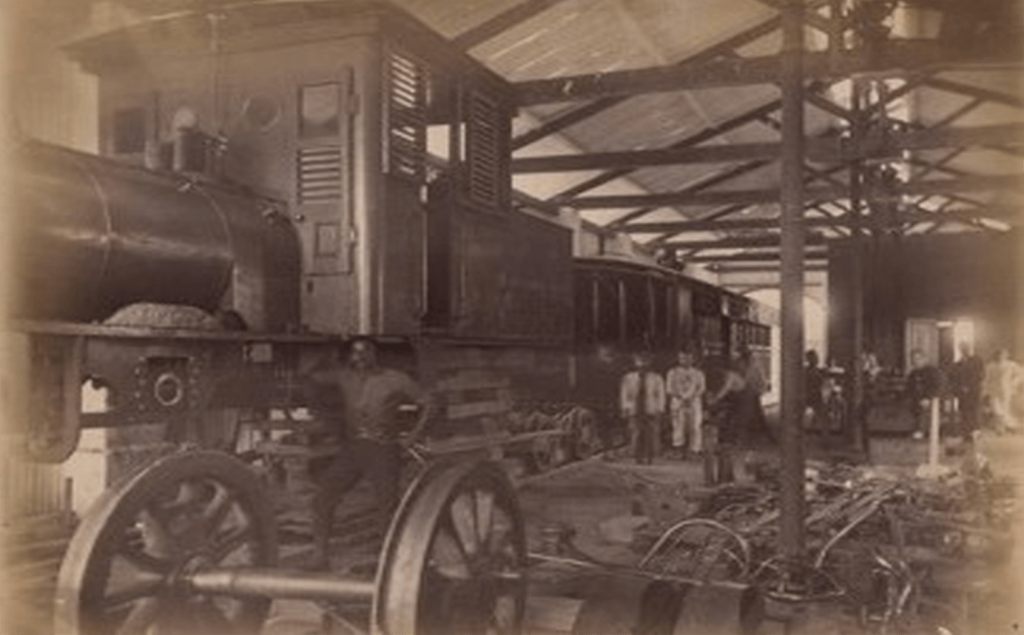
On his return from England in 1866, Abu Bakar introduced a railway transport system. He envisaged a railway line from Johor Bahru to Gunung Pulai, a distance of 30 km, to transport expatriates to a proposed hill resort. In 1868 the project took off, but due to technical issues, it was abandoned, and the locomotive was sold to Selangor. The Wooden Railway, as it came to be known, was proof that Johor had the first railway in Malaya. As a comparison, the Federated Malay States (FMS) railway from Telok Anson to Taiping in Perak came into being 20 years later. Abu Bakar was undaunted by the failure of his first project. It encouraged him to plan for a railway line from Tanjong Puteri to Melaka in 1872, but he was dismissed by the British.
Abu Bakar wanted to make Muar a showpiece of his ability to manage and govern the state. So he turned his attention to developing a railway from Bandar Maharani to Parit Jawa, a distance of 15 km, to provide transport for the agricultural produce of the province. As a result, the Muar State Railway operated from 1888 to 1921.
Sultan Sir Ibrahim continued his father's plans for the railway. In 1900 the British planned to have a railway from Prai to Gemas and continue to Singapore. Sultan Ibrahim initially proposed that Johor construct the lines as he felt the British may have the excuse of using the lines as a conduit for British interference. He also insisted that the rail alignment be constructed on the west coast to benefit the largely populated areas.
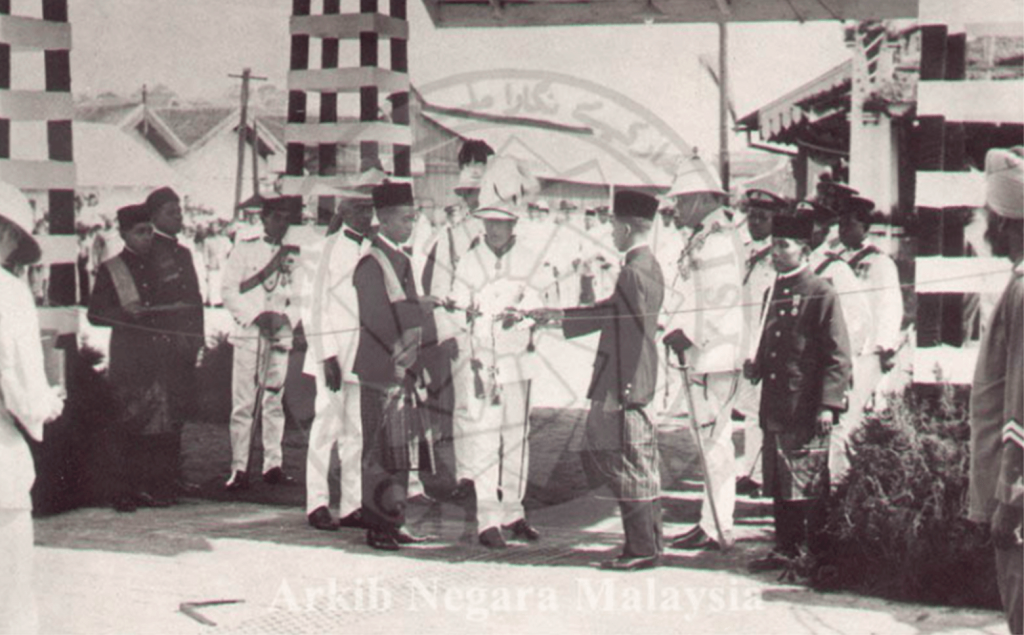

The British had three reasons for objecting to his proposals. Firstly, the rails were not of meter gauge as required by the FMS train. Secondly is the ability of Johor to raise $12mil for the project. Thirdly, the British planned to open up the central part of the state for the commercial development of their plantation companies. However, Sultan Ibrahim, on the advice of his ministers, stuck to his principles.
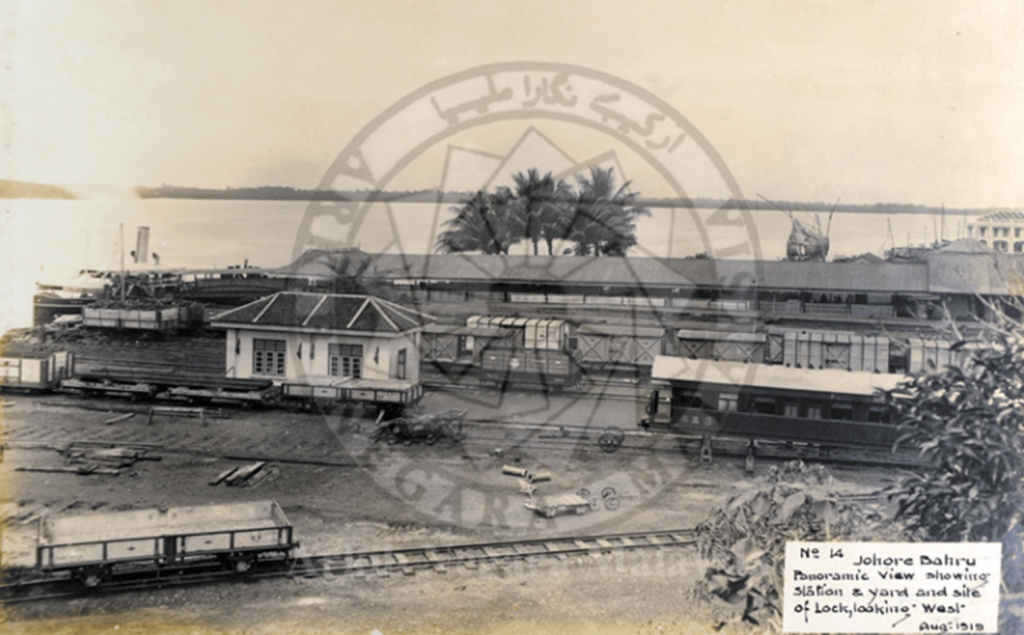
After prolonged negotiations, he finally signed the Johor Railway Convention in London on 11 July 1904, permitting the British to proceed with its proposal to continue the rails from Gemas to Johor Bahru, with the caveat Johor was to construct the rails from funds in the form of a 21-year loan by the British. Johor settled the loan in full seven years earlier than stipulated. Construction of the 193.92 km line began in 1904 and was completed on 7 September 1908.
The railway was a moral victory for the British, marking the first step of colonial interference in the administration of Johor. On 7 January 1910, Douglas Graham Campbell arrived in Johor Bahru by train and, in 1914, was appointed the General Advisor. Sultan Sir Ibrahim and his ministers viewed the railway as a political failure in defending the sovereignty and independence of Johor. Among the first actions taken by the British was to remove the State Secretary Dato' Abdul Rahman Andak, who they regarded as the stumbling block towards the British objectives.

 English
  Malay
Malay