

At a young age, Temenggong Daeng Ibrahim exhibited visionary talent and a spirit of perseverance and courage. Within the 16 years before he was installed as Temenggong Johor after his father's death, he took it upon himself to learn and master the English language and the intricacies of management and administration from officers of the East India Company. His abilities and ingenuity caught the attention of the British. They appointed him as a diplomatic intermediary in political discussions with the States of Selangor, Perak and Negeri Sembilan, which were experiencing problems with the inheritance of power. He envisioned education and Islamic ethics, together with the mastery of the English language, are essential for the progress of the people and the state. He established the Kampong Gelam Malay School in Singapore in 1840 to enable Malay students to read and write. He also financed the expenses of an English school established by a Catholic priest Reverend Father Keasbery.
Education
Education and Learning
In addition to studying the religion of Islam, the Temenggong wanted his children to have an English education. So he sent his children, including Wan Abu Bakar and children of his loyal followers, such as Jaafar bin Mohamad, Mohamad Saleh bin Perang, Ibrahim Abdullah Munshi and others, to Keasbery College. The wisdom of the Temenggong in prioritising education, especially English education, gave birth to a group of intellects in Johor. After ascending the throne, Maharaja Abu Bakar appointed his schoolmates as members of his Cabinet to jointly govern and develop Johor.
Maharaja Abu Bakar continued his father's vision to provide education for his people. The Johor Free School was the first English school established at Iskandar Puteri in 1864. The first Malay school was established at Kampong Kandang Ayam (presently the Istana Besar field). Malay schools were also established in Muar, Batu Pahat and other districts. The first Chinese school was established in Johor Bahru in 1901. The first Tamil school was opened at Lanadron Rubber Estate, Panchor, Muar, in 1924. More schools were opened for girls and various teaching mediums in 1931. The management and administration of schools were the responsibility of the Education Department headed by Dato' Bentara Dalam Dato' Mohamad Ibrahim Abdullah Munshi.
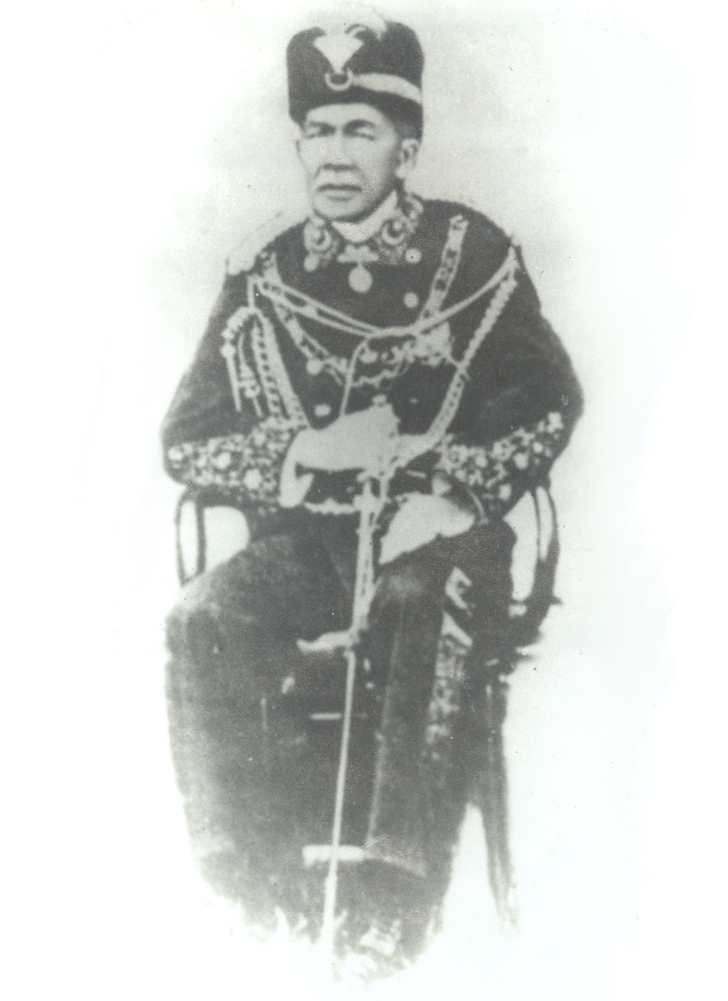
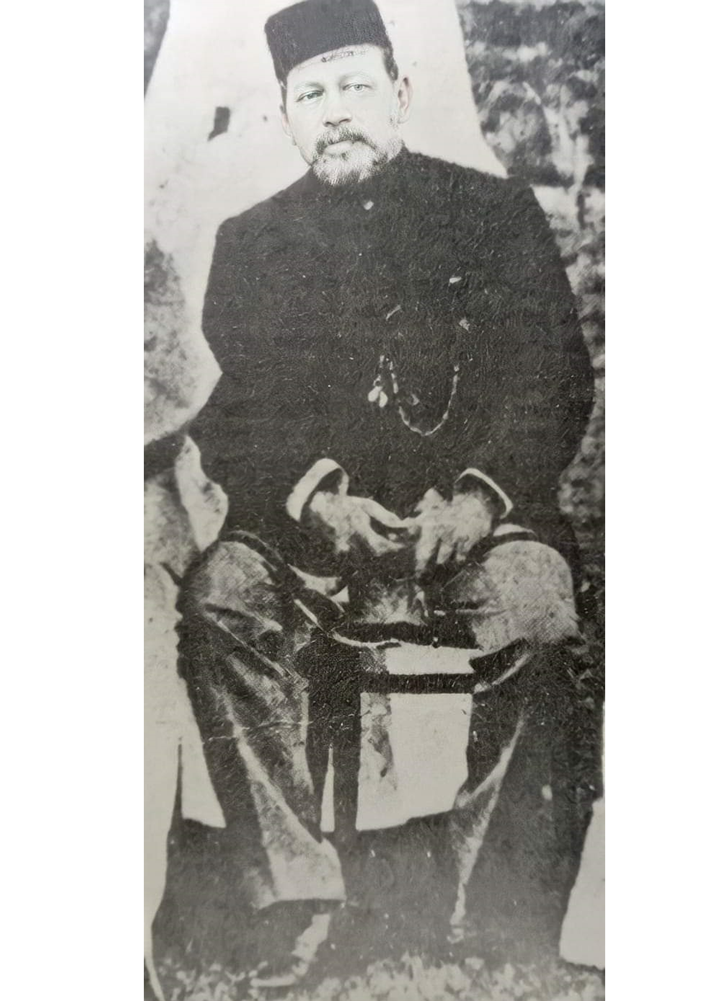
In 1902 Sultan Sir Ibrahim issued regulations to strictly provide education in Malay, English, Chinese and Tamil mediums. Among the regulations were:
- Every Johor citizen of all races must send their sons aged seven and above to government schools every day except on public holidays.
- The children must continue learning from the age of 7 to 16 years.
- Parents or guardians are responsible for enrolling children in school.
- Parents who do not comply with the regulations will be fined $25.00 or jailed for three months. Children who are supposed to be in school but do not attend school will be arrested and punished.
The reform-based regulations were necessary to ensure continuous, high-quality education that resulted in the creation of an intelligent population equipped with the ability to think rationally and increase efficiency and productivity. In addition, the Johor government provide scholarships and bursaries to assist suitably qualified students in pursuing higher education in specific fields at institutions of higher learning overseas. Sultan Abu Bakar sent his nephew Ungku Othman and Abdul Rahman Andak, a son of his follower, to London (Abdul Rahman Andak was appointed into Abu Bakar's Cabinet after he qualified and returned to Johor and in 1895 was made the State Secretary). The Johor scholarships like Sultan Ibrahim Scholarship, Toh Ah Boon Scholarship, Douglas Campbell Scholarship, and Dato' Onn Scholarship are now added to the Yayasan Pelajaran Johor (YPJ) Scholarship, Iskandar Foundation Scholarship, Temenggong Abdul Rahman Foundation Scholarship are awarded to eligible Johor students based on merit, academic achievements and qualifications, rather than based on race, rank or descent. Through education and the provision of scholarships, the Johor government has successfully generated a society of intelligent people to emerge as leaders with updated thoughts and innovations to ensure the development and prosperity of Johor.
Among the well-known leaders from Johor are Tun Dr Ismail bin Abdul Rahman (former Deputy Prime Minister of Malaysia), Tun Hussein Onn, the former Prime Minister of Malaysia, Tan Sri Abdul Kadir Yusof, a former Minister of Law, Tun Fatimah Hashim, the first lady member of the Cabinet and Minister of Social Welfare, Tun Musa Hitam the former Deputy Prime Minister, Royal Professor Ungku Abdul Aziz, Tan Sri Jaafar Husein and Tan Sri Aziz Taha former Governors of Bank Negara, and many more. At the State level, many scholars became leaders, notably Dato Sri Amar Diraja Abdul Rahman Andak and members of Abu Bakar's Cabinet, Menteri Besars Dato' Onn Jaafar, Tan Sri Hassan Yunos, and Tan Sri Othman Sa'at to mention a few.
Religious Education
Sultan Abu Bakar placed the religion of Islam at the highest pinnacle by enshrining it in the Johor State Constitution, which was decreed on 14 April 1895 and proclaimed and gazetted on 14 September 1895. Article 57 of the Constitution categorically states Islam as the official religion:
"What is called the "Religion of the State" for this Territory and the State of Johor is the religion of Islam, and such being the case, the religion of Islam shall be continuously and forever be, and be acknowledged to be, and spoken of as, the "State Religion". That is to say, on no account may any other religion be made or spoken of as the religion of the Country, although all other religions are allowed, and are always understood as proper to be allowed, to be practised in peace and harmony by the people professing them in all and every part of the Territory and Dependencies of the State of Johor".
The Johor Sultanate established a Religious Department and built religious schools to emphasise Islamic education. According to history, Islamic education traditionally began in the home of a teacher or imam, then developed into a cottage school known as Sekolah Pondok, which later developed into a madrasah. The first Quran School was opened in Kukup Pontian in 1907, followed by Kampong Kandang Ayam (before moving to Sri Kopi Malay School at Jalan Ayer Molek). In tandem with additional subjects, the Quran Schools later became Al-Kitab schools (Sekolah Al Kitab). Before religious schools were built, classes were held in the afternoon at Malay schools nearby. However, Sultan Abu Bakar encouraged the building of religious schools in all districts.
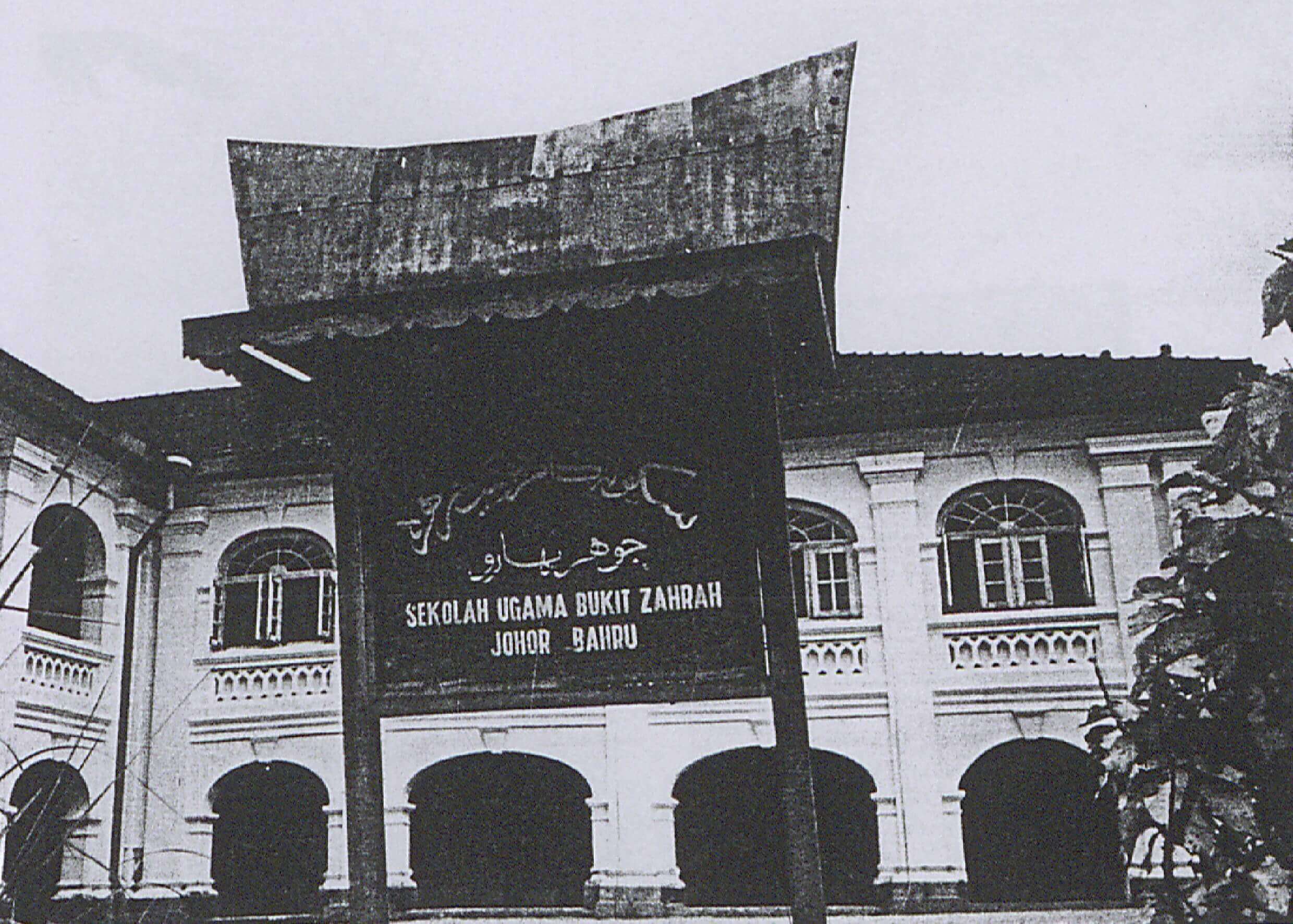
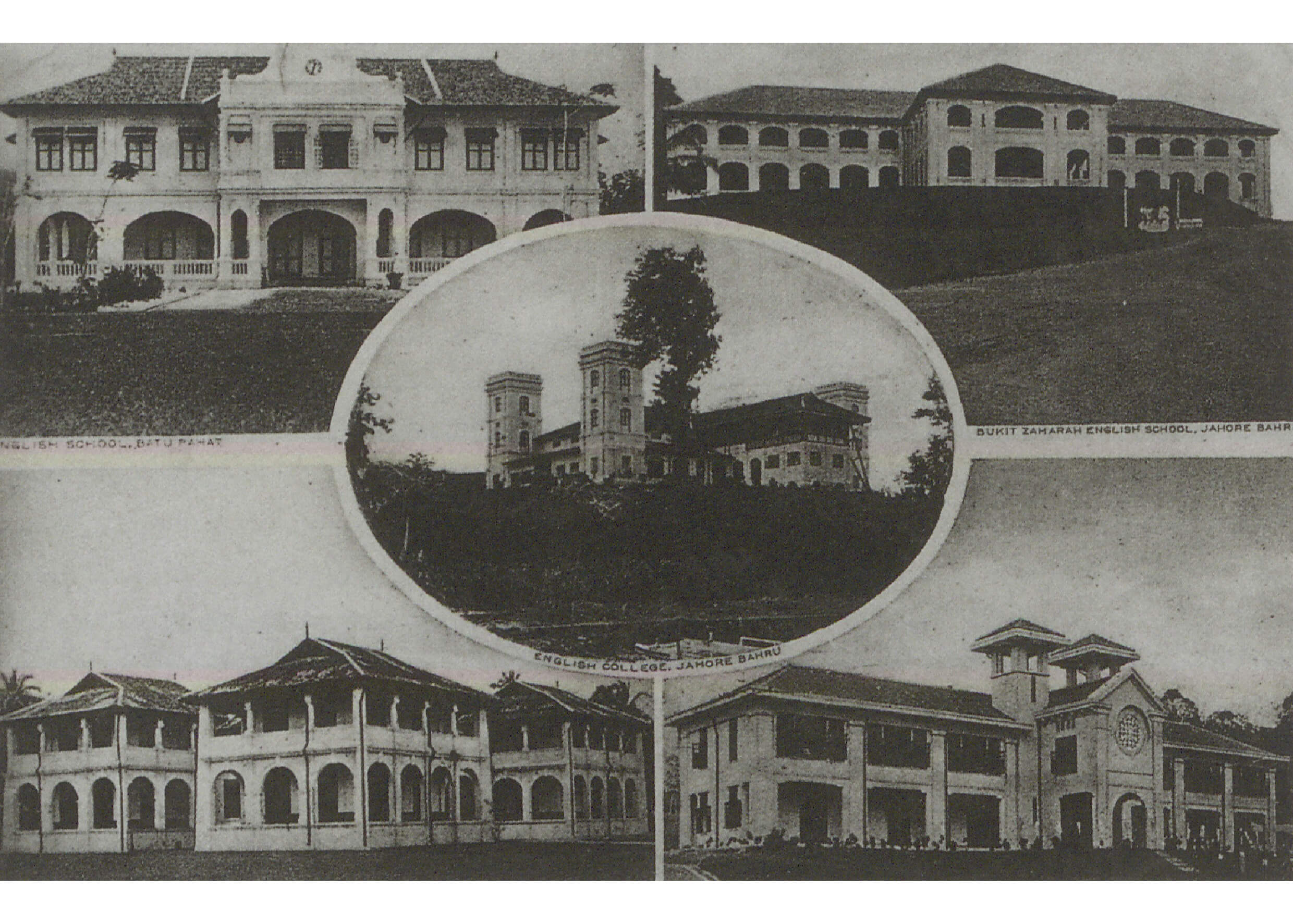
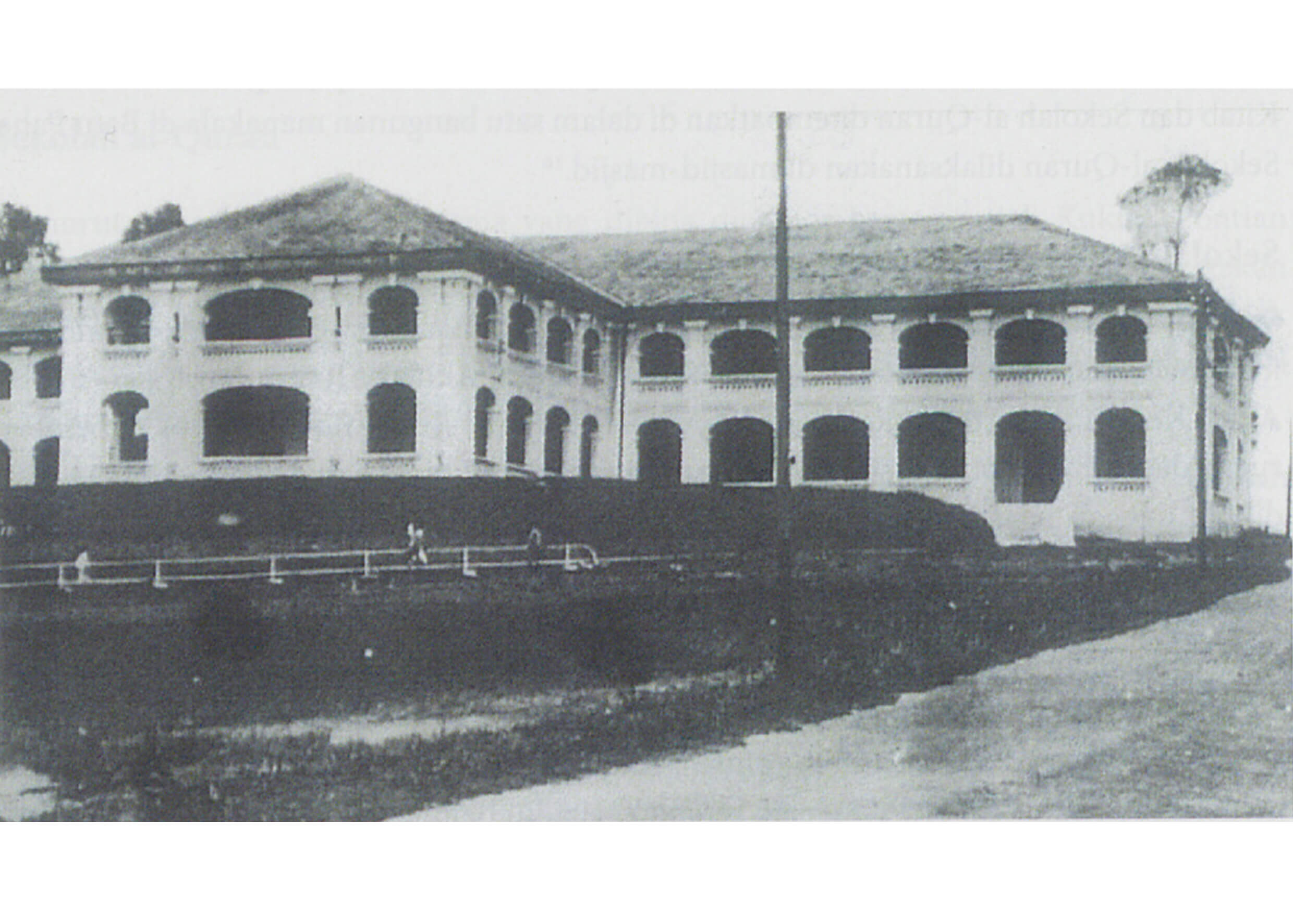
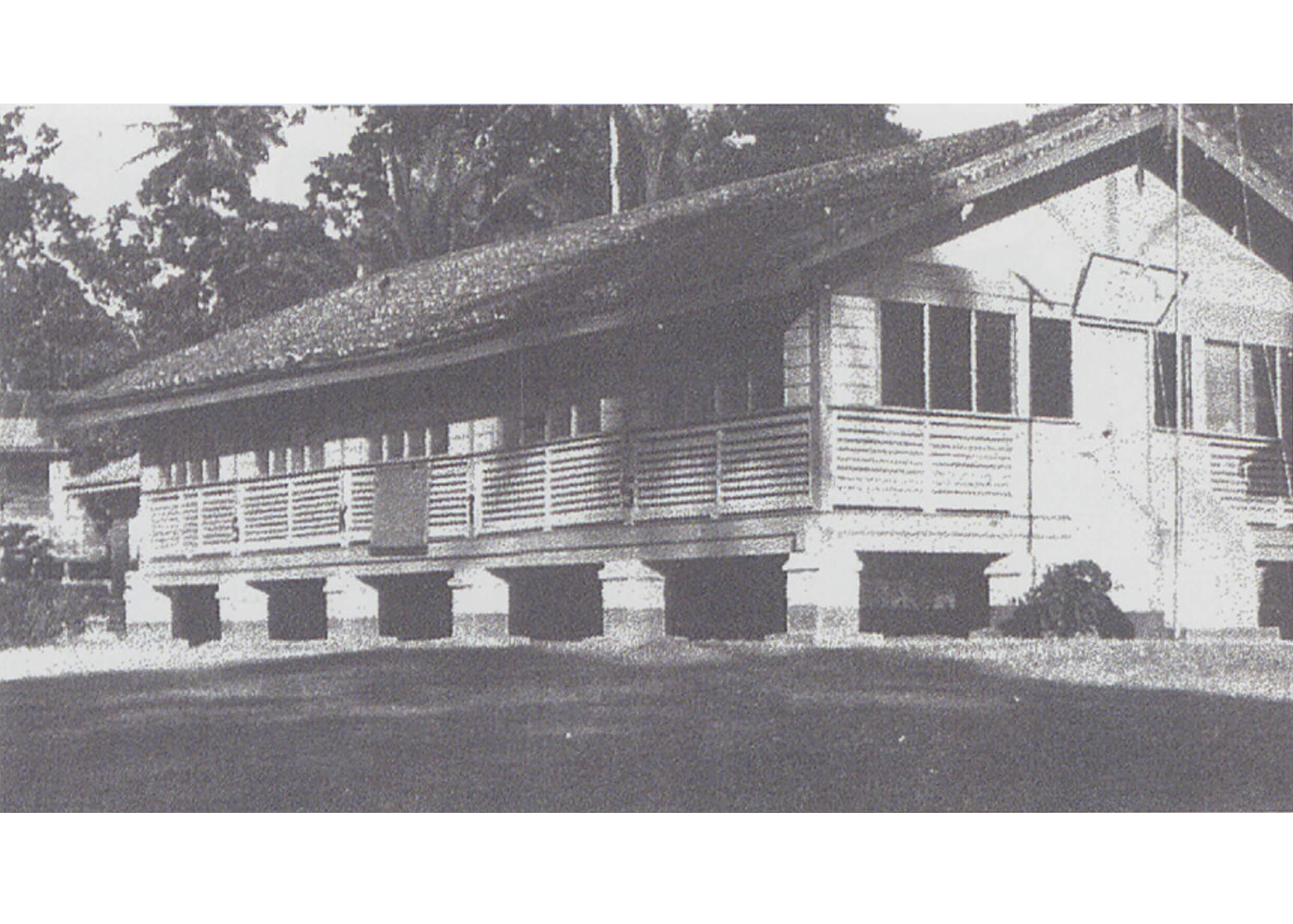
In 1918 the Sekolah Al Kitab was changed to Afternoon Religious Schools (Sekolah Agama Petang) and are presently known as Johor State Religious Schools (Sekolah Agama Kerajaan Negeri Johor). Initially, religious schools were for male students only, but later female students were allowed, but lessons differed in the subjects taught. Until 1936 there were 68 schools for boys and 9 for girls.
In light of the increased demand for religious education in 1927, the Johor government agreed to extend the study period to Standard 6. Later in 1930, Special Classes were created. Religious education covers aspects of religion and all aspects of life.

 English
  Malay
Malay