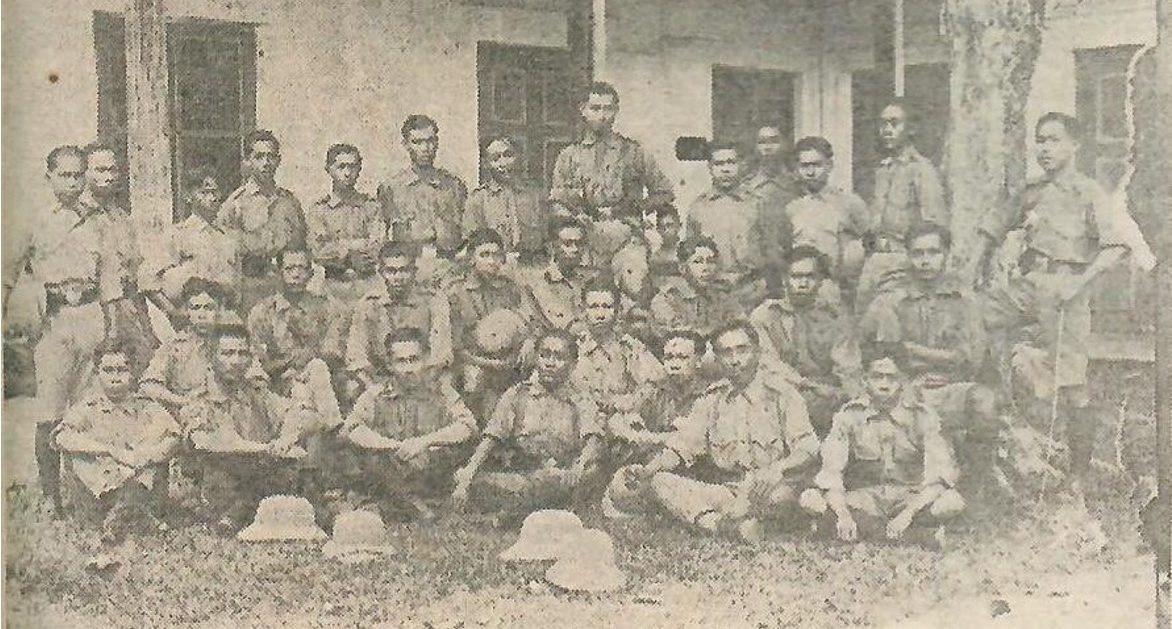

Johor began to develop progressively after the transfer of ownership from Sultan Ali to Temenggong Daeng Ibrahim in 1855. Besides Iskandar Puteri, many villages and settlements were opened. Population and related social and economic activities increased. The jungles were exploited for forest products, and the land was opened to cultivate pepper, gambier, and other agricultural activities. The Chinese were permitted to establish their settlements called Kangkars on the banks of rivers and practised their traditional way of life. The Malays carried out daily activities as farmers and fishermen. The rapid development required security protection for the population. On 3rd October 1858, Temenggong Daeng Ibrahim established a police constabulary to provide security coverage, monitor and control trade traffic, and maintain peace in the pepper and gambier plantations.
Security
History Of The Johor Police Constabulary
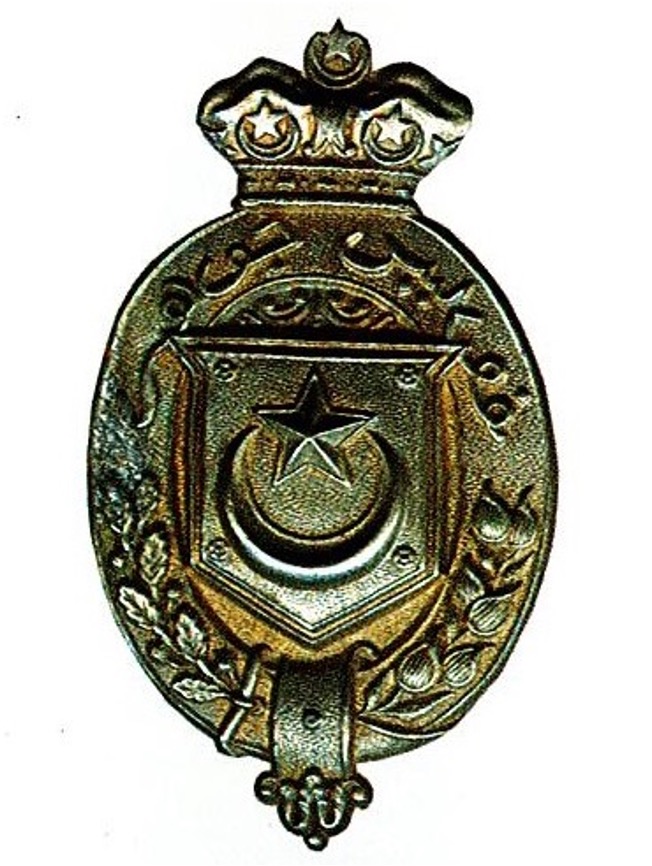
Johor Police Emblem (Source: Police Women, Illustrated History 1955-2007)
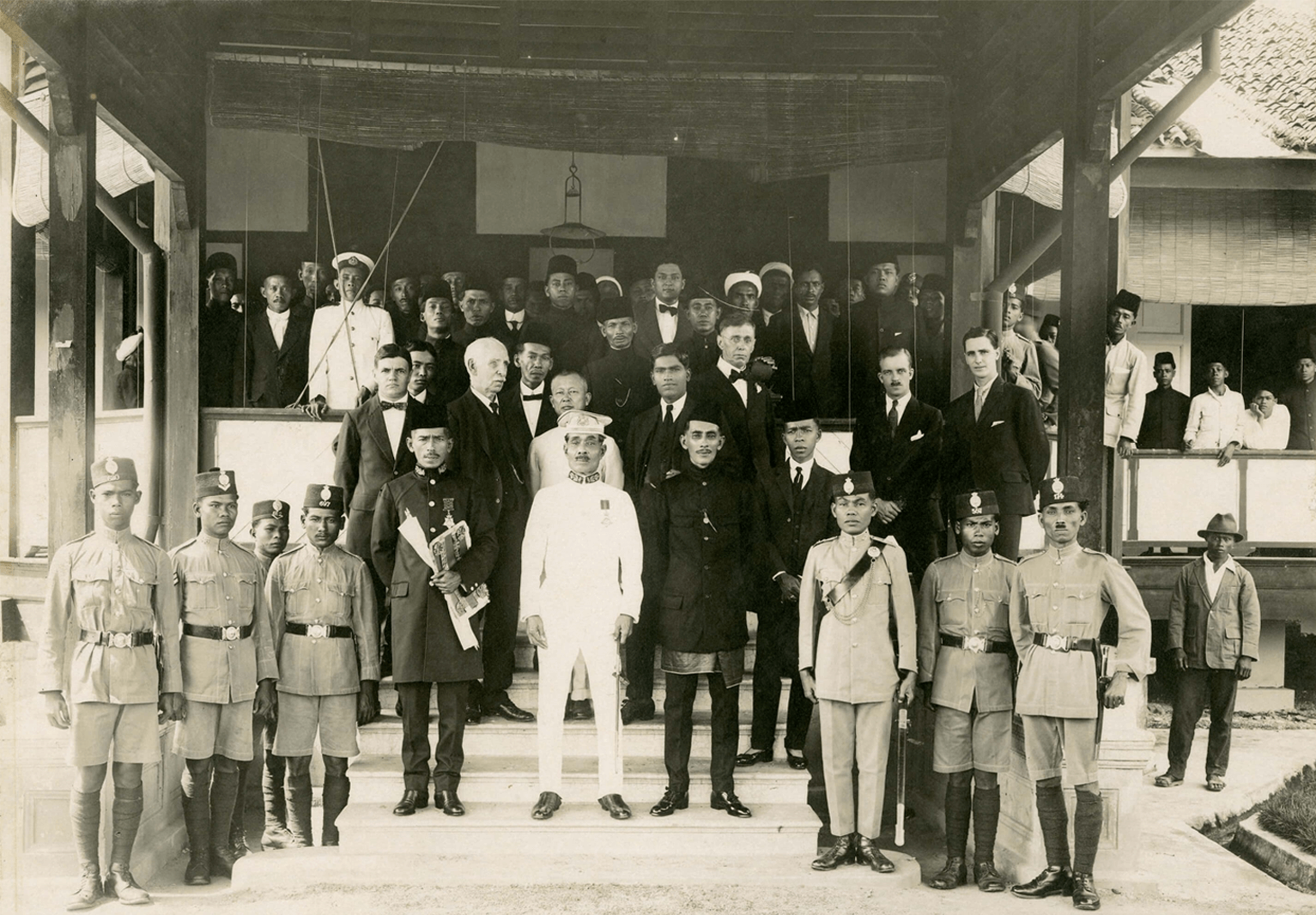
The police constabulary, known as Pasukan Setia, was placed under police commissioner Mohamad Saleh bin Perang, assisted by Ungku Suleiman bin Daud as his deputy. When Mohamad Saleh was appointed Dato' Bentara Luar in 1883, Maharaja Abu Bakar appointed Abdullah bin Tahir as police commissioner with the honorific title Dato' Sri Setia. In addition to maintaining security, the constabulary was tasked with allocating land grants, issuing sales and purchase documents, and resolving disputes among Chinese farmers. In 1870, the Law for the Johor Police detailed the duties of the Police force. In 1873, the Johor Police Force was empowered under the Kangchu Law, covering the application to become Kangcu, resolving disagreements, placing a detective in each Kangkar and issuing permits to assemble. In 1889, the police were given additional duties such as setting fees, issuing opium and liquor licenses, measuring weights (cupak), numbering borders, fishing nets, pepper, gambir, and boats.
Up till 1885, there were no armed forces in Johor. The police constabulary played the role of maintaining peace and security in the state. In 1879 unrest arose in Jementah due to a claim of Tengku Alam, the son of the late Sultan Ali Iskandar Shah, for the throne of the territory of Kesang. Mohamad Saleh Perang, as the police commissioner, was tasked by Maharaja Abu Bakar to assist Ungku Ahmad, who led his forces against Tengku Alam. The constabulary was armed with 400 rifles and cannons. This conflict, known in Johor's history as "The Jementah War", was resolved with the arrest of several rebel leaders.
The police constabulary expanded in tandem with the development of Johor. By 1882 there were 21 police posts in Muar, Batu Pahat, Endau, Kota Tinggi, Sedili, Kukup, Kluang, Mersing, and other settlements. From 1858 to 1911, the constabulary was made up of Johor Malays. In 1910 the police commissioner, as a senior government official, was appointed a member of the State Council. In 1912 three British officers were placed in the constabulary, but they were under the supervision of Malay officers. With the formation of the Federation of Malaya in 1948, the internal affairs and security of the state became the responsibility of the Federal Government. The history of the Johor police constabulary is unique in that two former commissioners had successful careers when they were appointed as Menteri Besar, namely Dato' Mohamad Mahbob and Dato' Abdullah Jaafar, while Dato' Ismail Bachok was appointed the State Secretary.
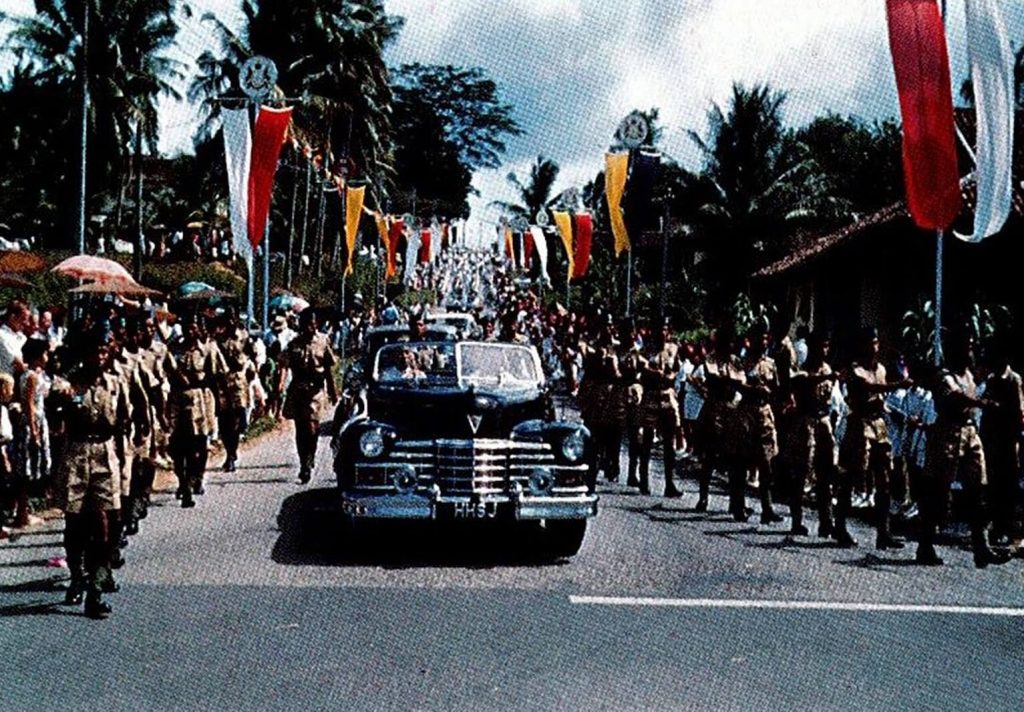

The History Of The Johor Military Forces
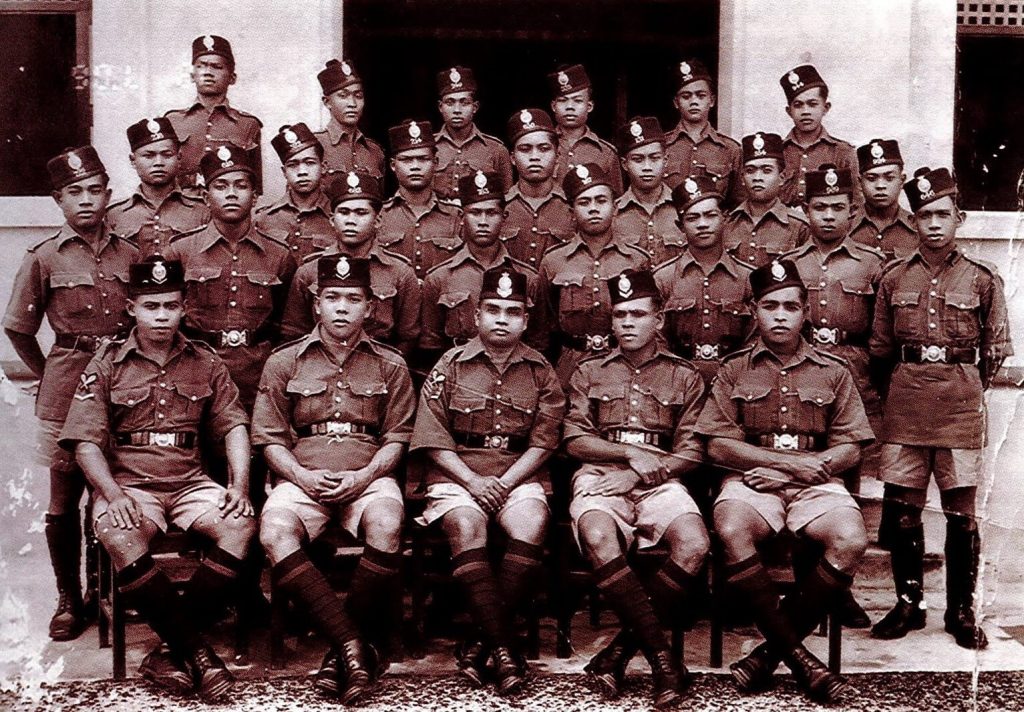
Sultan Abu Bakar knew that stable security is necessary for the development of Johor. The Treaty of 11 December 1885, among others, stated that the British and the Johor governments must work together to preserve goodwill and provide security protection for their territories' populations from external threats and attacks. Based on the provision of the Treaty, Abu Bakar formed an armed military force. The primary objective of the army is to defend the independence of Johor as well as the well-being and security of its people. Initially, the military force was placed under the command of police commissioner Abdullah Tahir to assist as deputies to the present police constabulary (Pasukan Setia) in maintaining peace and order and enforcing the Johor Code. Thus, the military force was named the Pasukan Askar Timbalan Setia Negeri (ATSN), to mean the military deputising the duties of the police.

Logo of The Johor Military Forces
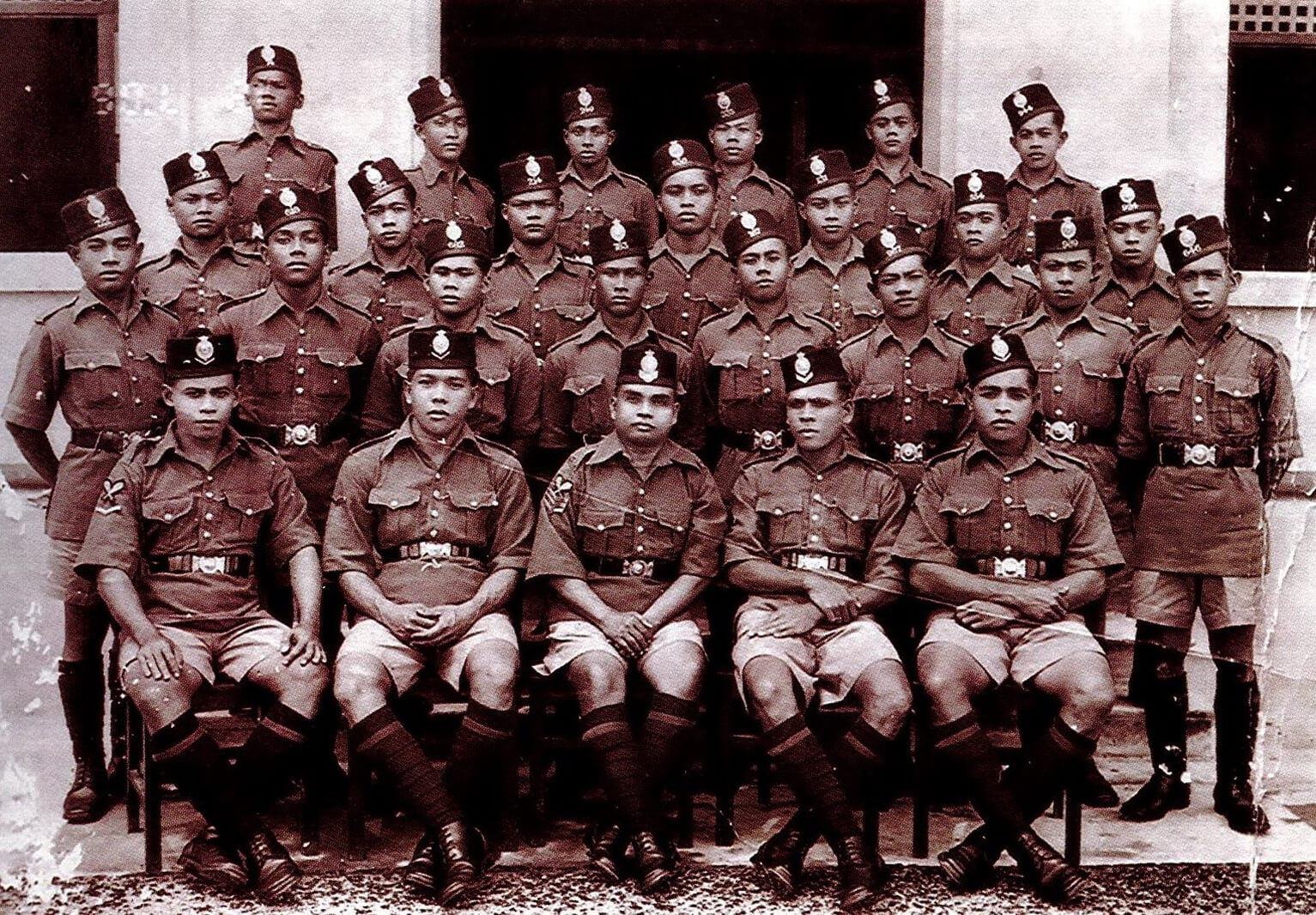
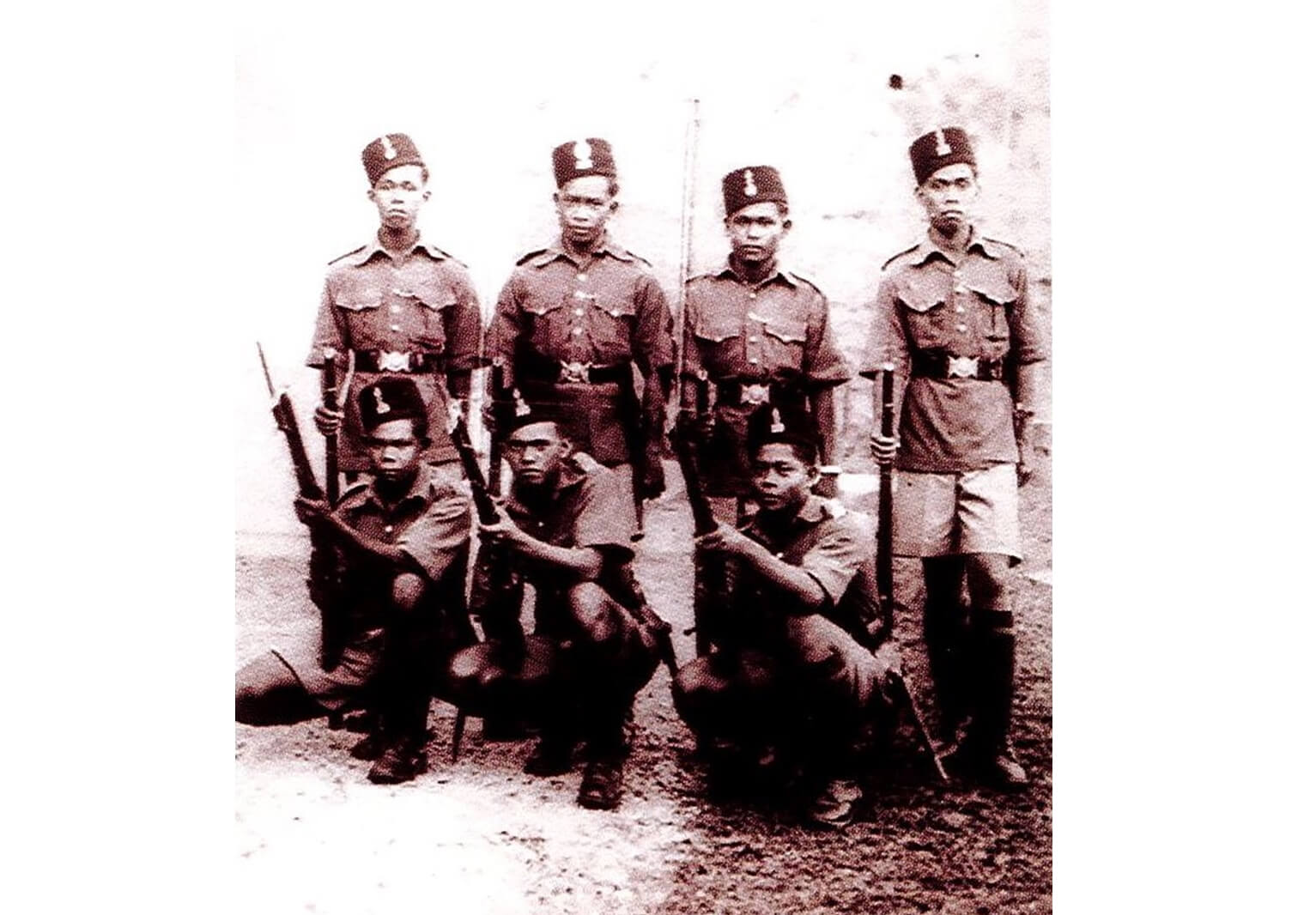
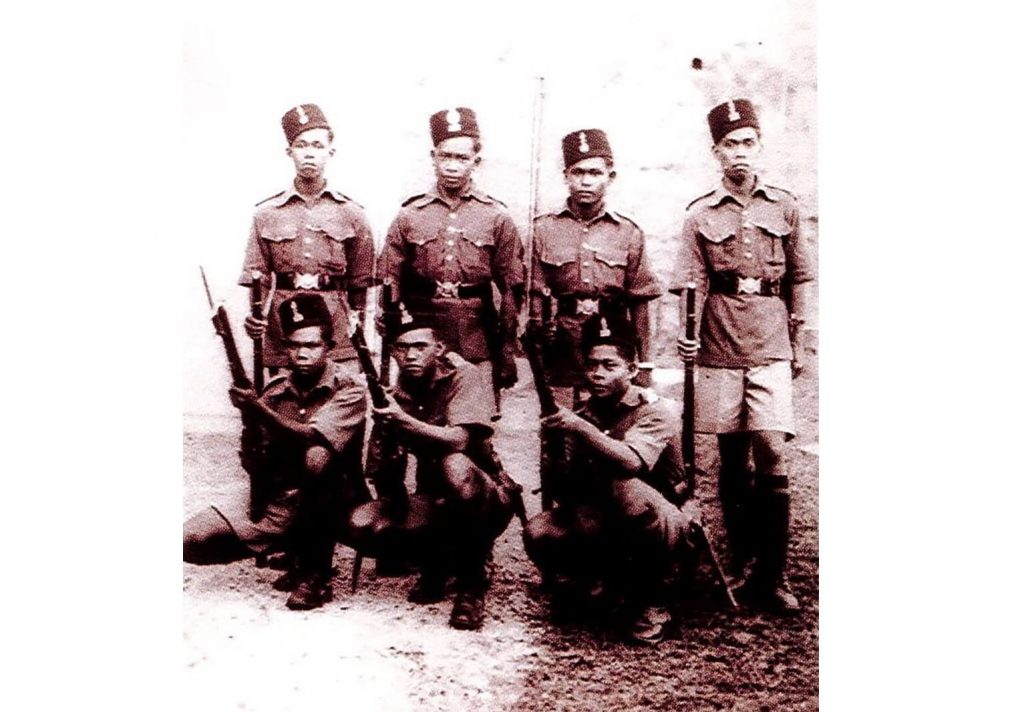
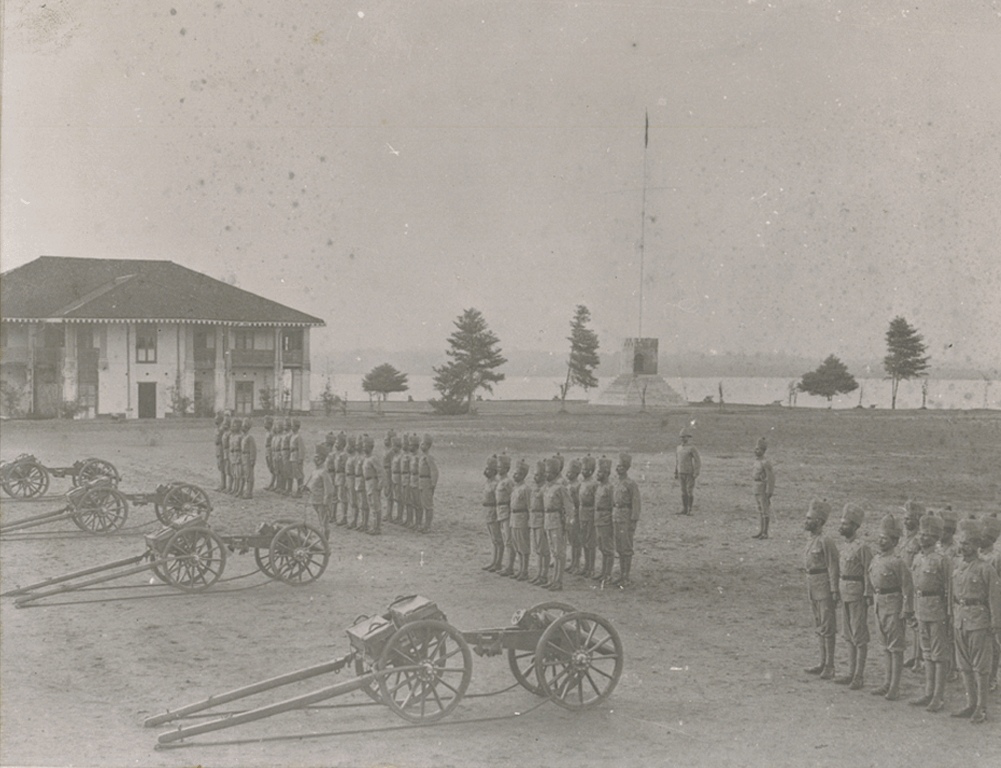
In the initial stages, the ATSN consisted of 60 Malay youths who were the sons of the people serving the palace. The ATSN was tasked with guard duties at the palace in addition to curbing crime. However, they faced difficulties from the Malay population, who were not afraid of them due to kinship. Realizing this situation Sultan Abu Bakar brought in 20 Kabul men from Afghanistan renowned for their courage and discipline in performing guard duties as palace guards. The increase in population required a rise in Malay members to form an infantry regiment, while the Kabul men remained as palace guards. Additional Kabul personnel trained in firearms and artillery were recruited into an artillery regiment. Later a brass band known as Johor Band was added. The ATSN was stationed in the districts to assist the police in maintaining law and order. The ATSN, with 270 members in 1895, increased in numbers in 1905 and was bestowed a name in the English version by Sultan Ibrahim as "The Johor Military Forces" (JMF).

Kabul members of the Johor Military Forces (Source: The Royal Abu Bakar Museum)
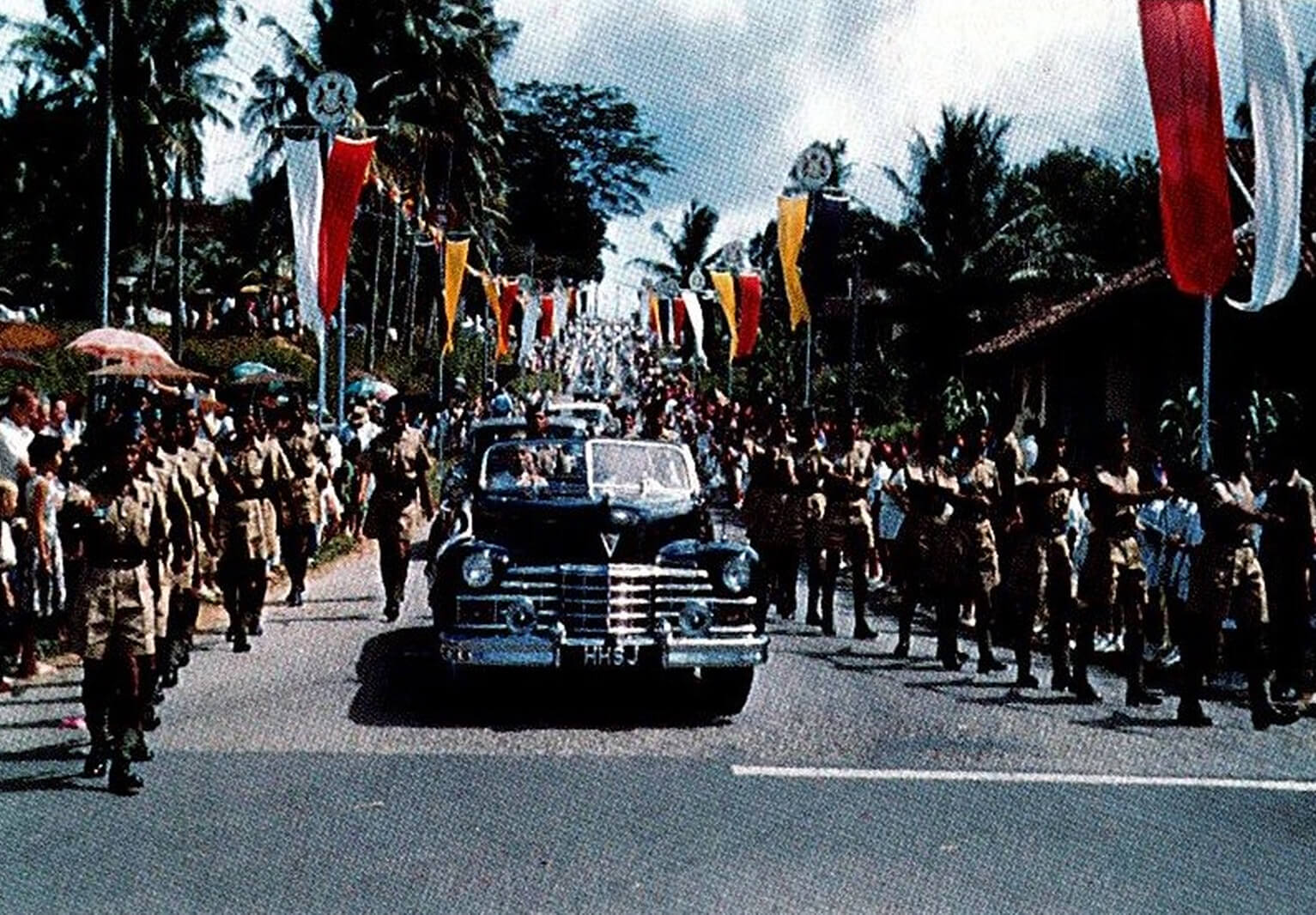
Presently the JMF performs royal ceremonial duties. However, their main responsibility is to maintain the safety, security and comfort of the Sultan of Johor, the Crown Prince and members of the Royal Family, as well as royal guests. Other duties include sentry duties guarding the palaces, providing support services to the management of the palaces, and handling activities related to the palace. The JMF forms the guard of honour at royal ceremonies, including the Sultan's birthday ceremony, the coronation ceremony, and the convening of the sitting of the State Legislative Assembly. In addition, members of the JMF form the official vigil guards during the lying-in-state and pallbearers at royal burial ceremonies.
During the First World War
In 1914 Sultan Ibrahim as Colonel Commandant deployed a contingent of the JMF to defend British assets in Singapore, including Tanglin, St. John's Island, Woodlands, Kranji, Seletar and Pulau Belakang Mati. On 15 February 1915, a detachment of 199 men and officers was assigned to guard the Tanglin Barracks, where German citizens were detained. That night 800 Sepoys (Muslim members of India's Fifth Light Infantry) who were worried they may be deployed to Europe and Turkey rebelled and attacked the barracks. Despite a limited supply of ammunition, the JMF, with their courage and discipline, was able to suppress the attack but at the expense of the lives of its commanding officer Captain Cullimore, Captain Abdul Jabar bin Abdul Samad, and private Yaacob bin Saleh. The next day Sultan Ibrahim, with 150 men, rushed to Fort Canning to provide relief and assistance, but the rebels had fled to Johor. Sultan Ibrahim hurried back to Johor to hunt for them. The JMF managed to capture and arrest 180 Sepoys, who then surrendered by placing their firearms at the feet of the unarmed Sultan Ibrahim before kissing his hands.
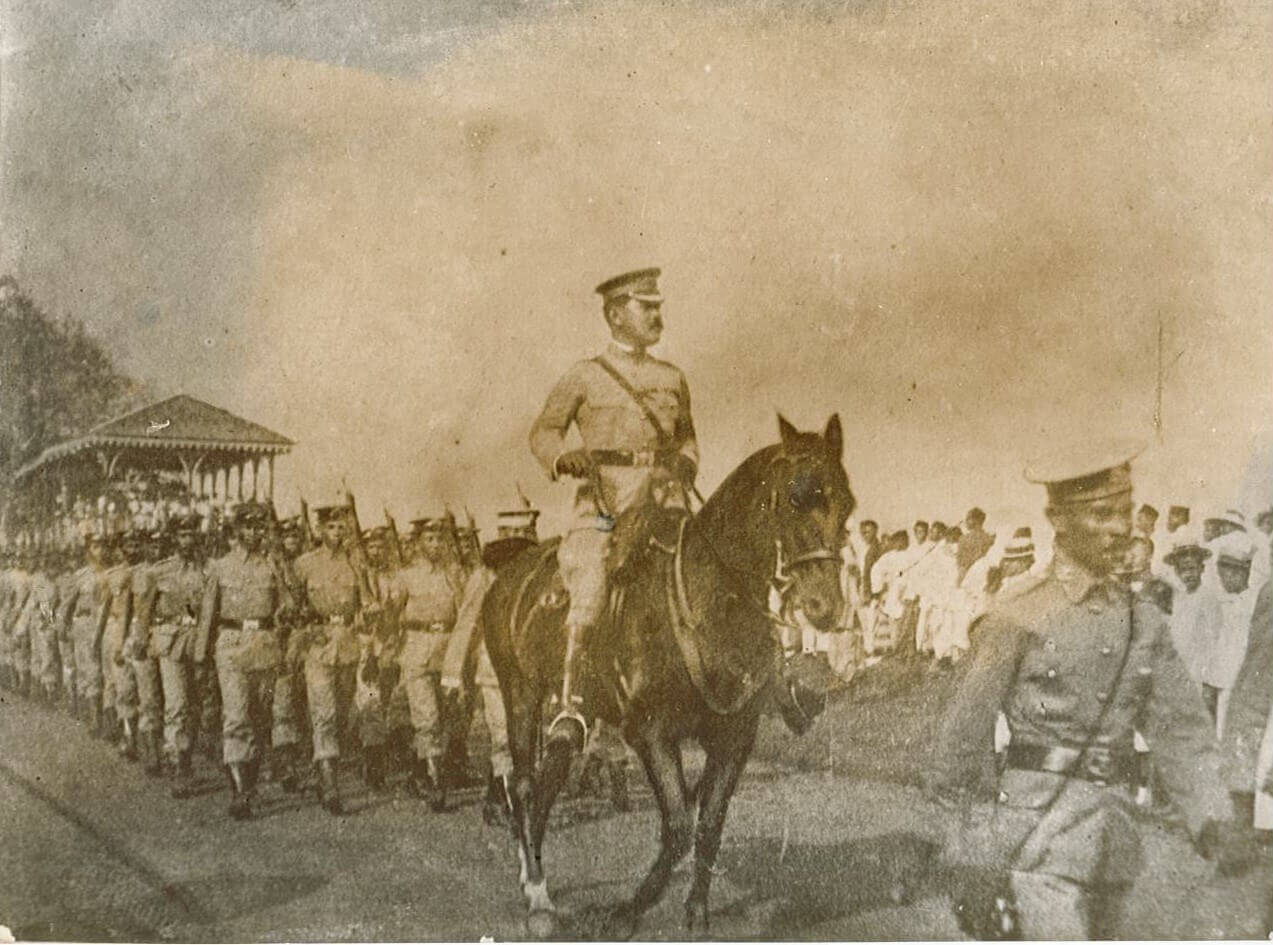
Sultan Ibrahim leading the parade of the Johor Military Forces in Conjunction with King George V’s Birthday in 1920. (Source: The Royal Abu Bakar Museum)
During World War II
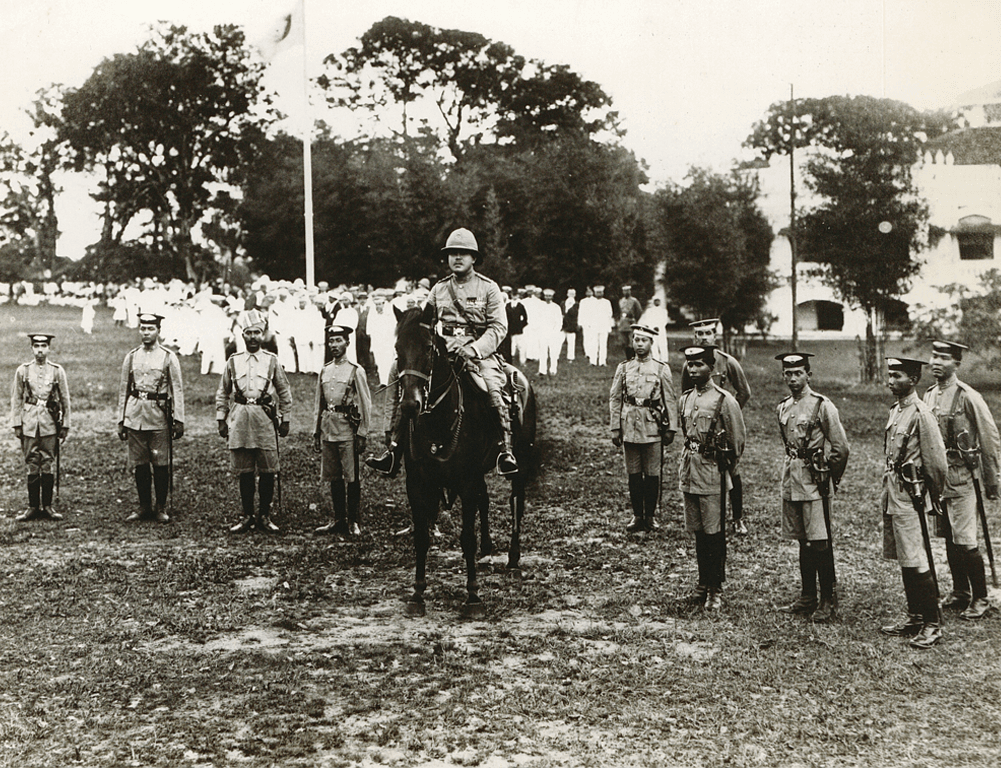
The JMF had increased its number to 2000 men during the Second World War, making Sultan Ibrahim head of Malaya's most significant armed forces. Sultan Ibrahim was conferred the rank of Major General. With the Australian army, Sultan Ibrahim planned to deploy the JMF to defend the Kluang-Kahang-Mersing, the Kota Tinggi fortifications, and the airstrip at Tanjong Labuh in Batu Pahat. Field communication units were set up at Tanjong Lompat, Kuala Sedili, Endau and Rompin. When the Japanese bombed Johor Bahru, and Kota Tinggi on 25 and 27 January 1942, the Malayan General Officer Commanding Lt. General Arthur Earnest Percival advised Sultan Ibrahim to disband the JMF as the Japanese army had moved rapidly to the south. Meanwhile, the Commonwealth forces were directed to retreat to Singapore. Sultan Ibrahim initially refused to accept the advice, but eventually, he disbanded the JMF to save the lives of the men and their families. All firearms were handed over to the Australian army to avoid falling into enemy hands. The JMF men were reluctant and refused to be disbanded, but they loyally upheld the Sultan's command.


After the Second World War
The establishment of the Malayan Union in 1946 eroded the Sultan's power and authority. The services of all officers and men of the JMF were terminated from 1 July 1946 with a compensation of 5 months' salary. Only a company of 100 men were retained. When the Federation of Malaya was formed on 1 February 1948, the company of 100 men remained but was renamed 'The Sultan's Own Bodyguards,' drawing protest and causing anger to Sultan Ibrahim. The Federation Government relented and reinstated the JMF but with 128 men.
History repeated itself when the Federal government dissolved the JMF following an amendment to the Federal Constitution in 1993 to set aside the legal immunity and erode the powers and privileges of the Malay Rulers. A "Johor Military Forces (Dissolution and Abolition) 1994" bill aimed at eroding the powers and authority of the Sultan of Johor was tabled in Parliament. However, common sense prevailed, the resolution was withdrawn, and the JMF remained an icon of Johor.
The JMF, formed in 1886, came into existence ten years earlier than the Malay States Guides in Perak and the Malay Regiment in 1933. Several JMF officers ended their careers by being appointed as the Menteri Besar of Johor, among them Dato' Abdullah Jaafar, who joined the JMF as a captain on 22 February 1897 and became the third Menteri Besar, Dato' Abdul Hamid bin Mustapha who started as a private in the JMF in 1892 rose through the ranks to become the fourth Menteri Besar. Lieutenant Ungku Abdul Aziz bin Abdul Majid was appointed the sixth Menteri Besar, while Dato' Onn Jaafar, who started his career as a sergeant in the JMF, became the eighth Menteri Besar. Until today the JMF remains relevant and an icon of Johor as a symbol of Malay ownership in Johor.
Achievements of the JMF
Among the achievements of the JMF are the following:
In 1906 the JMF was honoured to participate in a parade with British troops in Singapore celebrating the birthday of King George VI. Sultan Ibrahim led the parade mounted on a charger.
On 3 August 1940 – JMF officers Raja Ahmad bin Raja Ali, Tengku Abdul Jalil bin Mohamad Nor, Yahya bin Yusof and Ibrahim bin Ahmad were the first officers sent for military training at the Indian Military Academy in Dehra Dun. They returned to Johor when the Japanese invaded Malaya.
In 1941, JMF cadet officers Ismail bin Ibrahim, Ungku Ahmad bin Abdul Rahman, and Hussein Onn were sent for training at the Indian Military Academy. However, their training was truncated due to the Japanese invasion of Malaya, and they were made to join the Indian army.
In 1946, Captain Abdul Jabar bin Jaafar, Company Sergeant Major Othman bin Daud, Corporal Ali bin Awang, Lance Corporal Ahmad bin Abdullah, and Private Othman bin Ibrahim were selected to join the Malayan Armed Forces contingent in the Victory parade in London to mark the end of the Second World War.
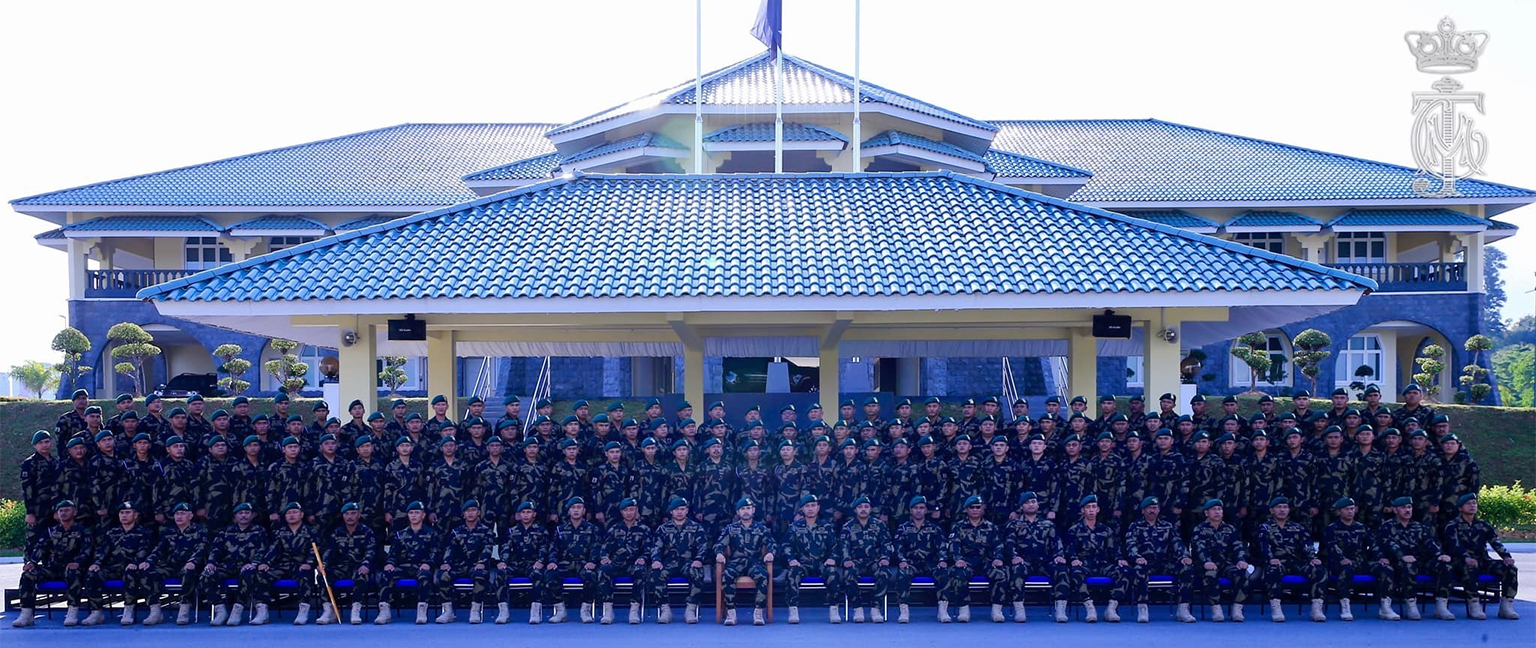
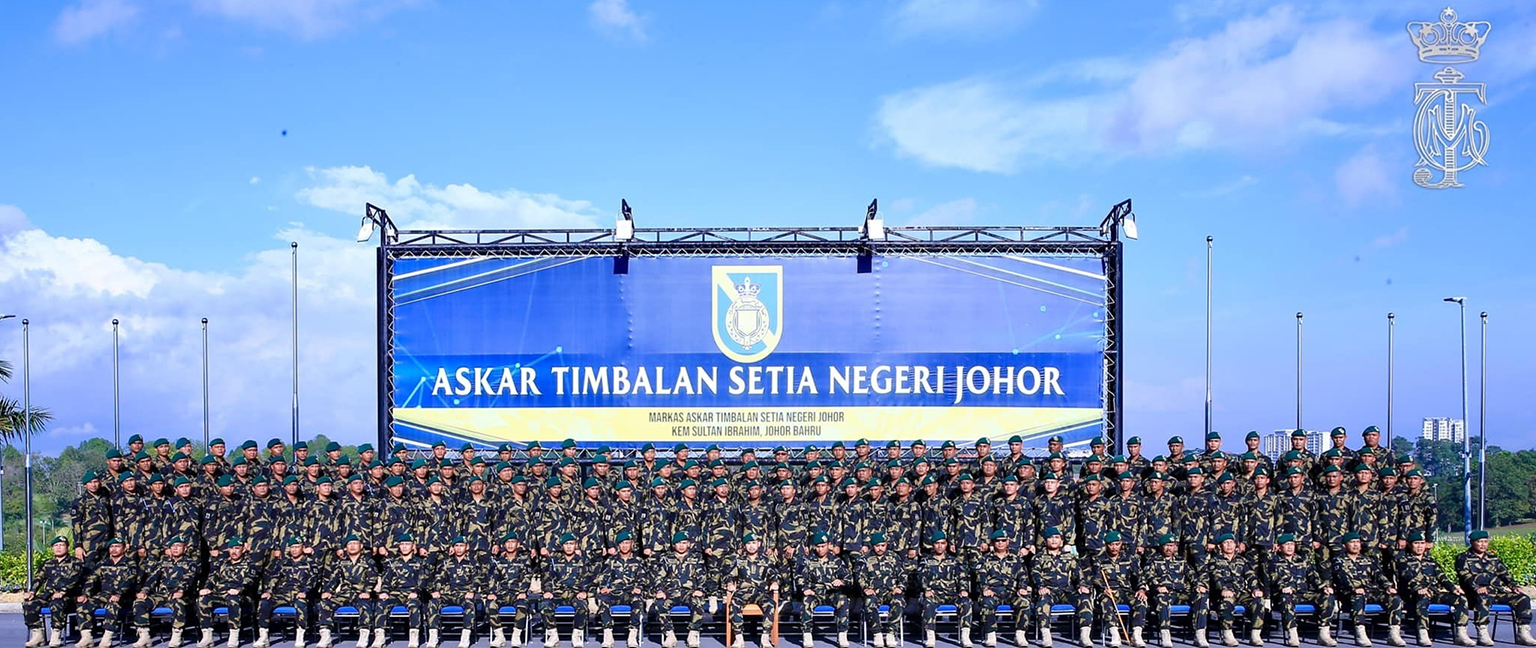
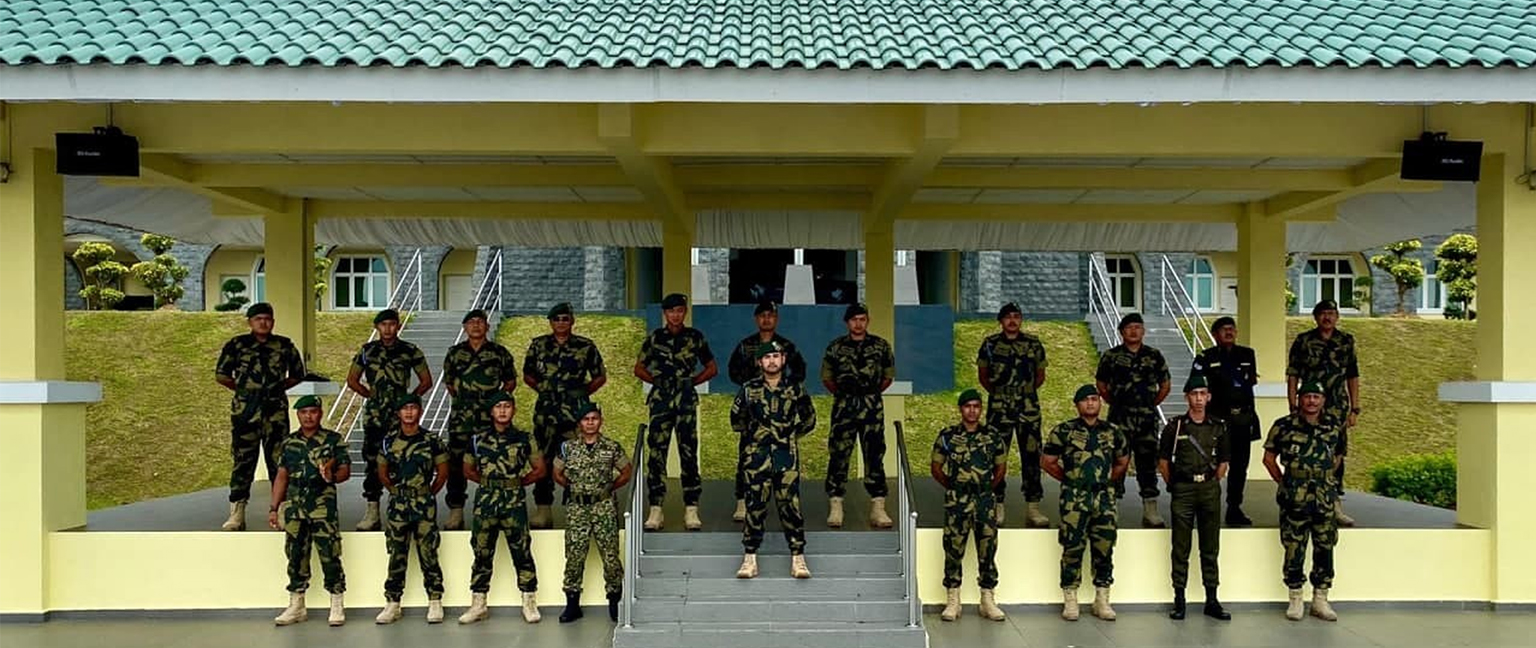
Photo collection of JMF.
The Johor Volunteer Forces (JVF)
On 22 May 1905, Sultan Sir Ibrahim formed the Johor Volunteer Forces as a platform to train Malay officers joining the government service. He believed military training would equip them with discipline and increase efficiency and productivity. Accordingly, outstanding JVF officers were seconded to the JMF for advanced training. Some JMF officers were seconded to the JVF as commanders and instructors. The secondment system succeeded in producing competent officers and improved government leadership.
Among the JVF officers were Crown Prince Ismail Ibrahim and his siblings Tunku Aris Bendahara, Tunku Abu Bakar and Tunku Temenggong Ahmad. Among the Malay officers who underwent JMF and JVF training were:
- Dato' Abdullah bin Jaafar who was later appointed Muar State Commissioner before being appointed as the third Mentri Besar of Johor (1926-1928).
- Dato' Abdul Hamid bin Yusof rose to the rank of Lieutenant Colonel and appointed as the fifth Menteri Besar (1931-1934).
- Ungku Abdul Aziz bin Abdul Majid became the Commanding Officer of the JVF before he was appointed the sixth Menteri Besar of Johor in 1935.
- Dato' Onn Jaafar who served both the JMF and JVF was the seventh Menteri Besar.
- Pegawai Melayu lain yang menjalani latihan ATSN dan JVF termasuklah Tun Hussein Onn dan Jeneral Tan Sri Ibrahim Ismail.


 English
  Malay
Malay