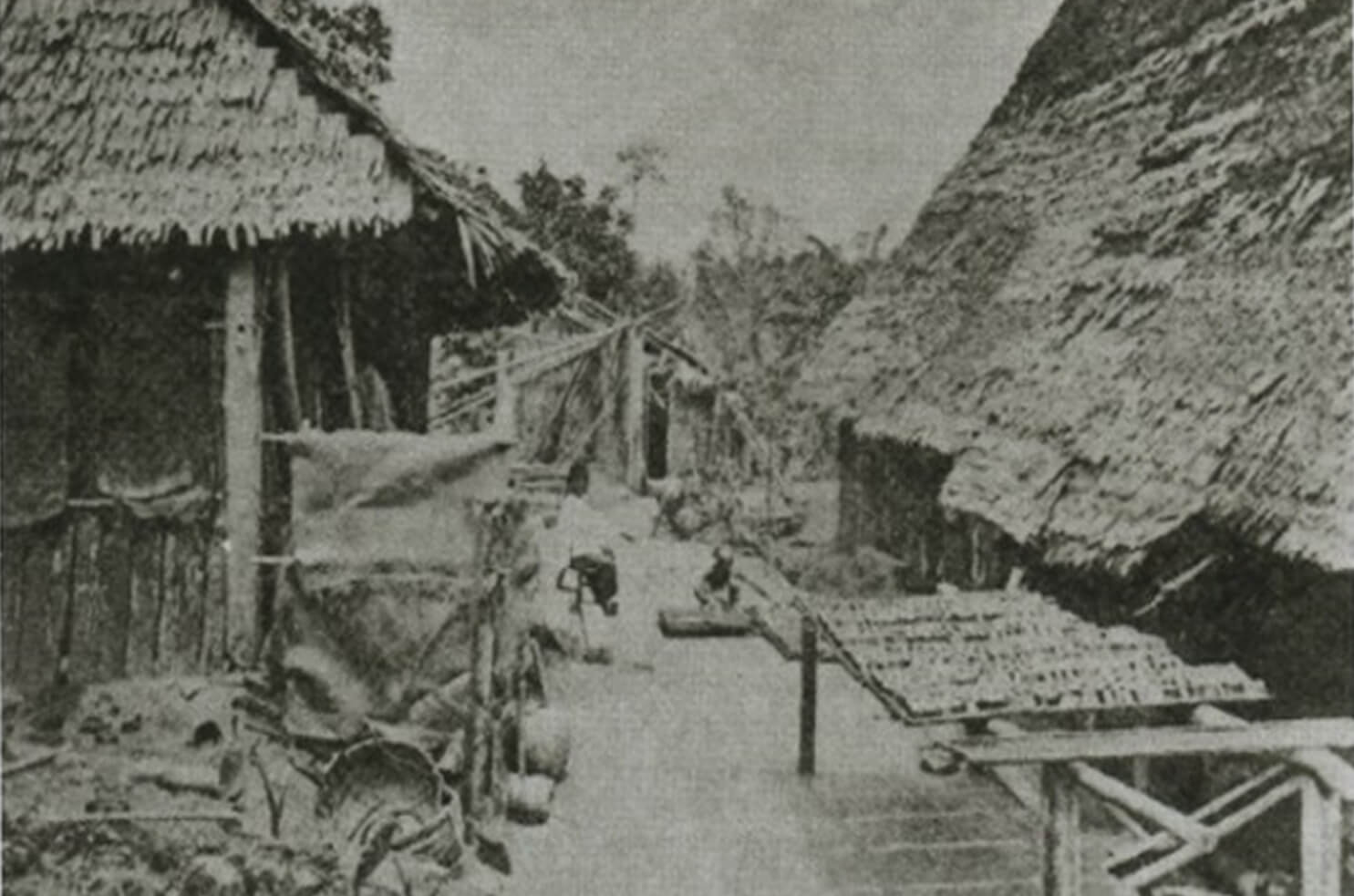

The Temenggong and later Abu Bakar invited people from the Indonesian islands, the other Malay States, the Chinese from mainland China, the Indians from the Indian subcontinent, and the Ceylonese and other races to migrate to Johor and participate actively in its development. As an added incentive, they were accorded freedom of religion, culture and belief, way of life, farming and animal husbandry practices without let or hindrance.
Economy
The Beginning
The Kangchu System
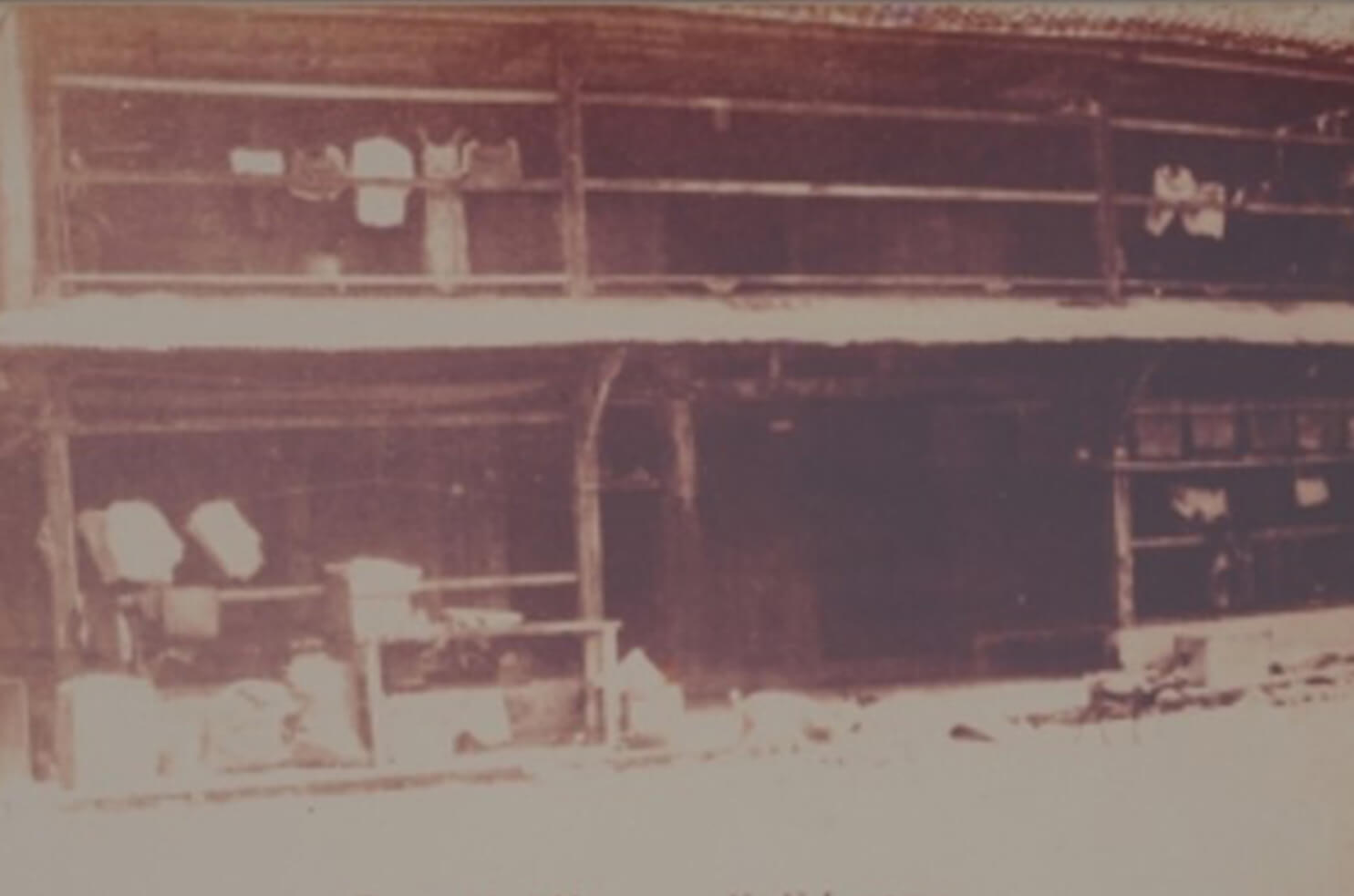
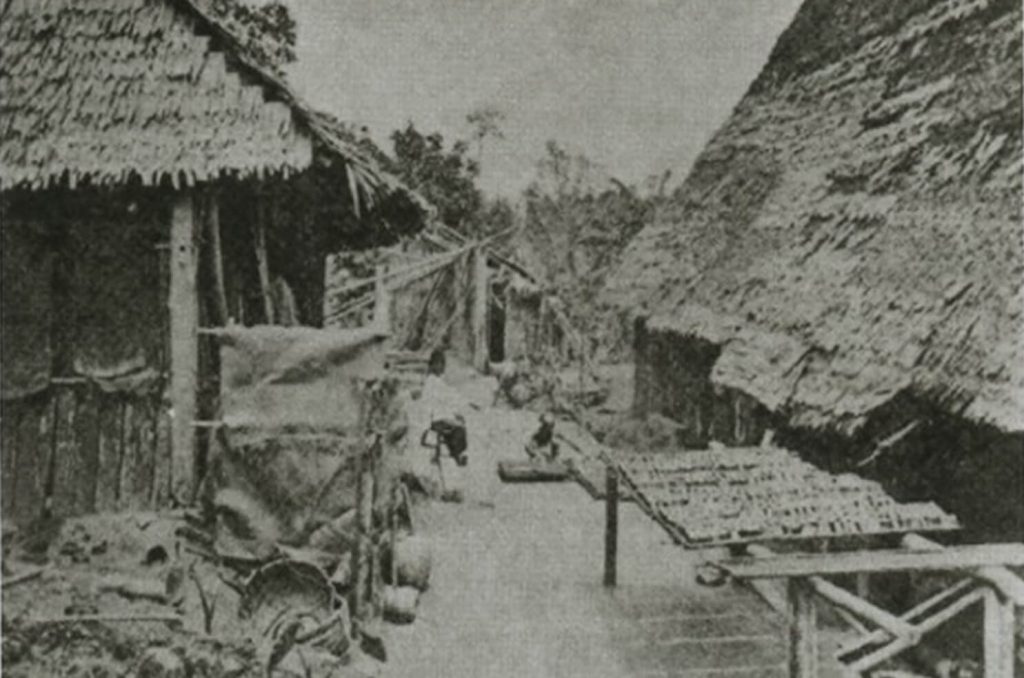
In 1840, the Temenggong permitted the early Chinese community to move to Johor from Singapore due to the lack of suitable areas for commercial agriculture, the threat of secret societies, and the influence of opium and illegal activities there. They were settled at Kangkars or river settlements. They appointed their leaders known as Kangchu or Lord of the River.
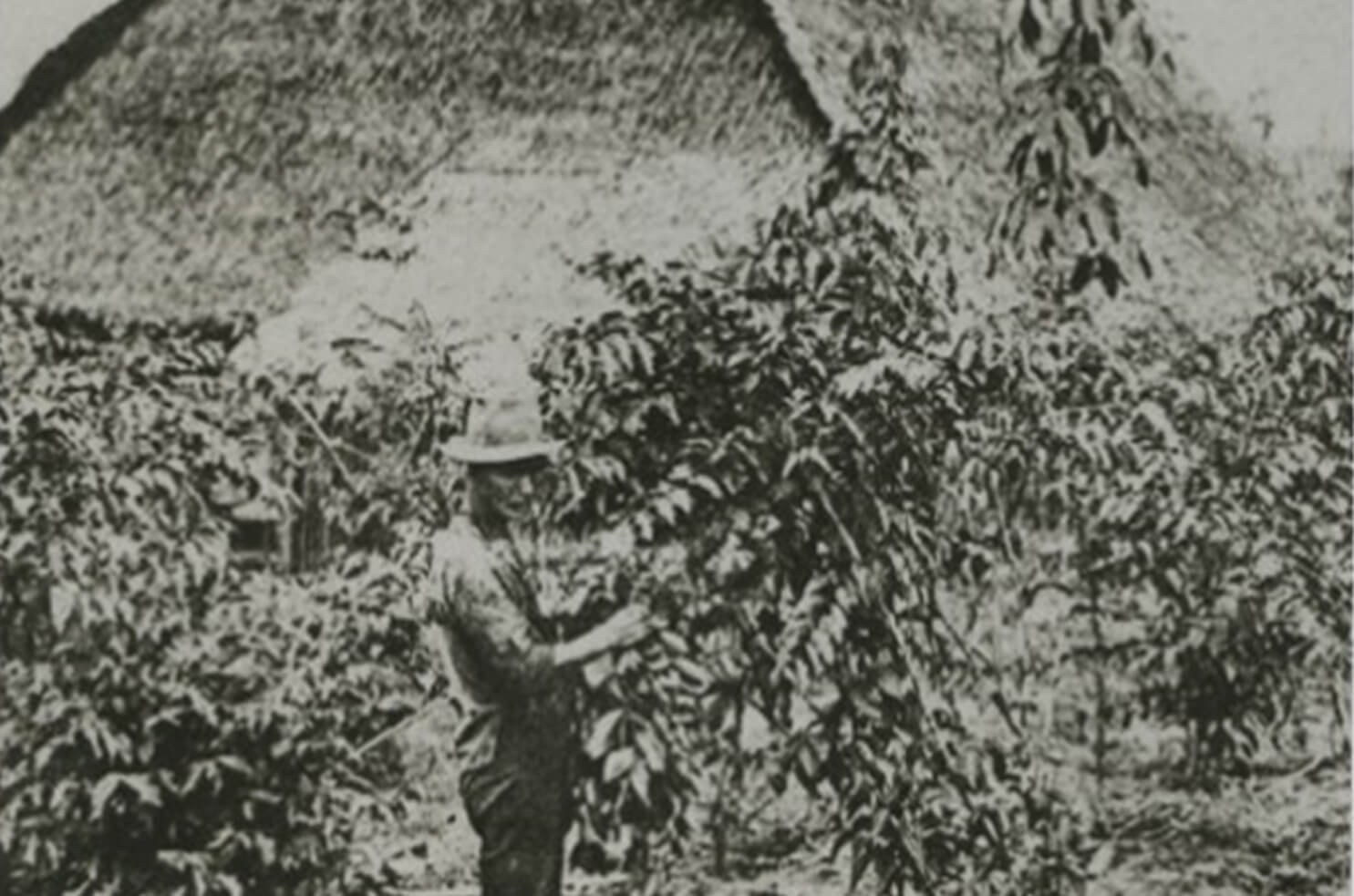
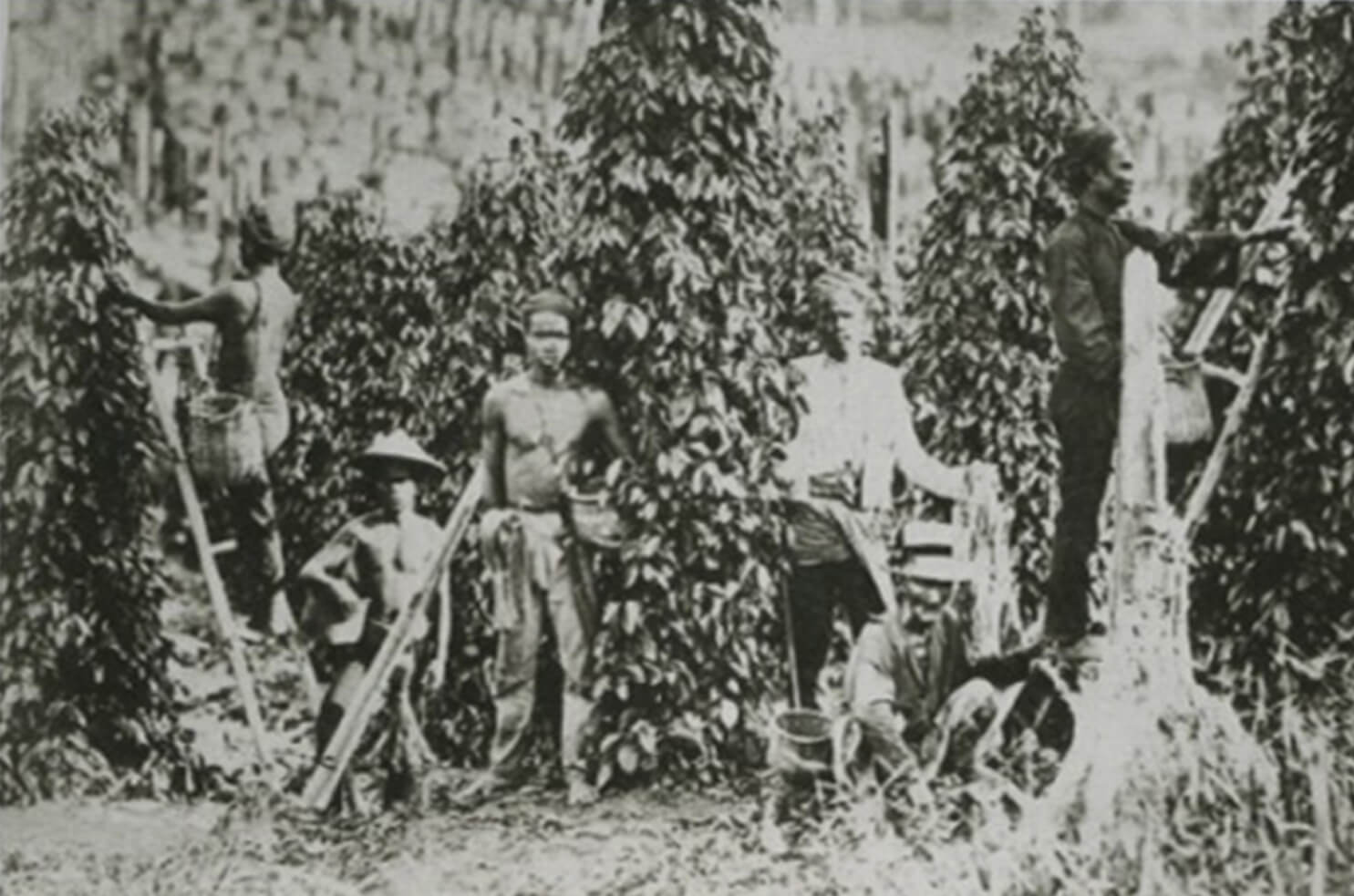
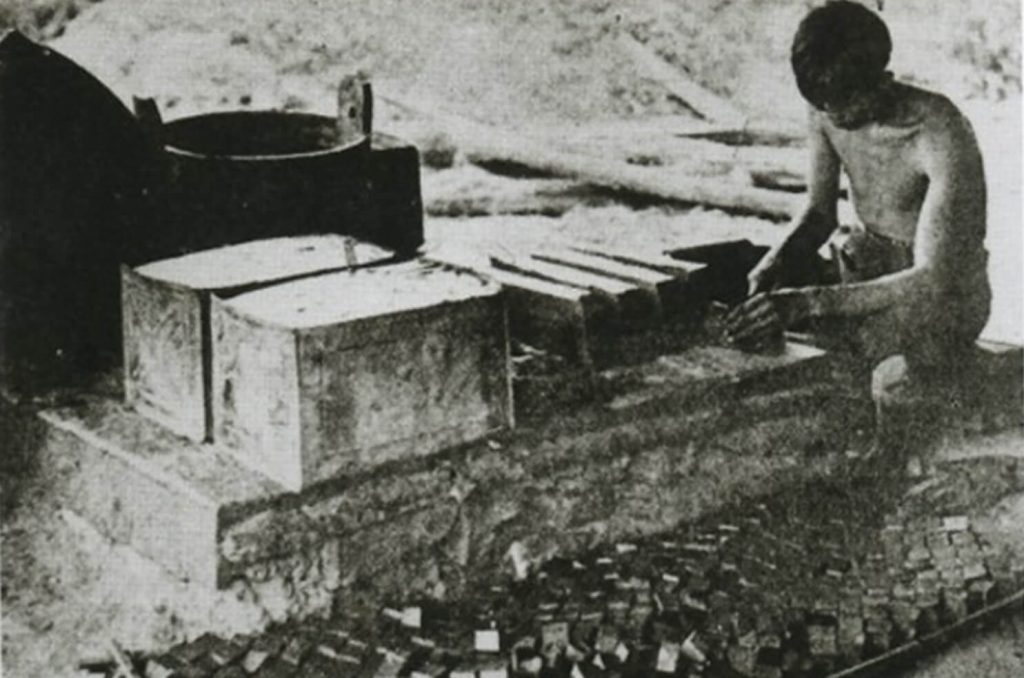
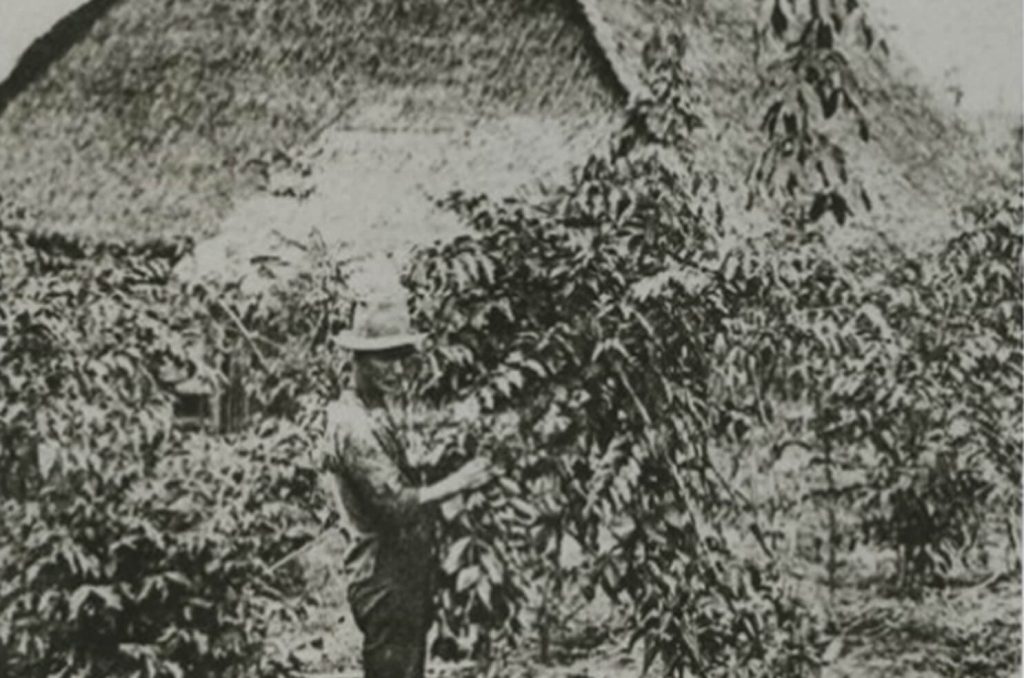
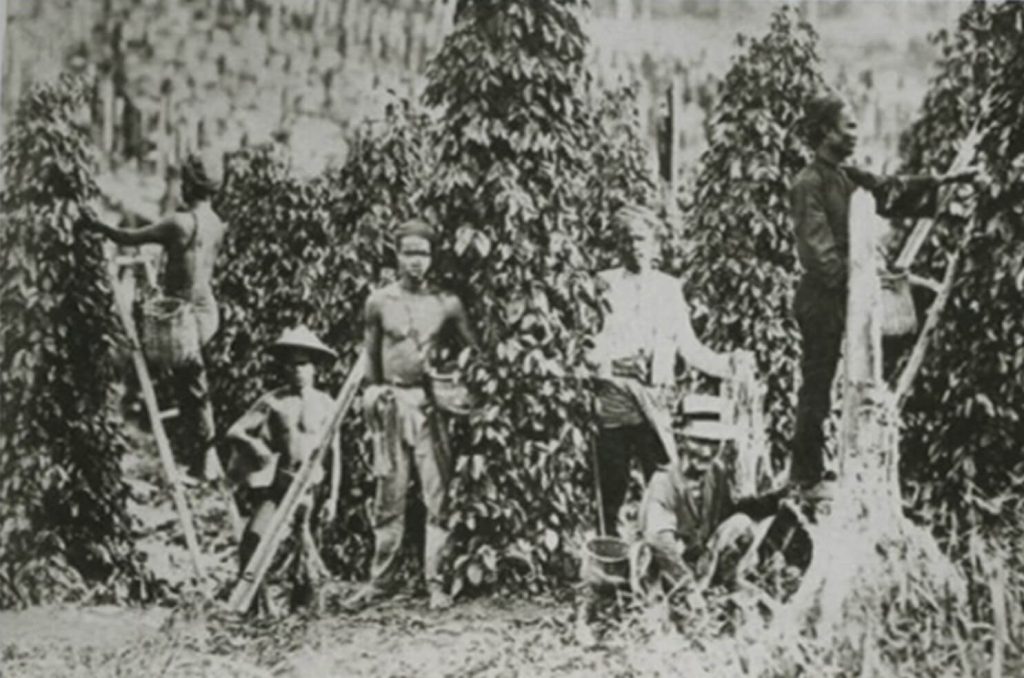
The first river settlement Kangkar Tebrau was established at Tebrau River in Johor Bahru. By 1920 there were 29 such settlements along the rivers in Johor. As farmers, they were involved in cultivating gambier (Uncaria gambir) and pepper (piper nigrum). They were granted Surat Sungai or river titles as an inducement and for permanency. The Temenggong and Abu Bakar cooperated with the Chinese in commercially cultivating gambier and pepper. At one time, they held a monopoly in the international trading of these commodities.
The two agricultural commodities brought wealth and progress to Johor. Today the motif of gambier leaves and pepper berries adorn official government documents, emblems, and ceremonial instruments and form decorative pieces for furniture and the like.
Sultan Abu Bakar initiated the modern method of developing Johor through joint ventures and privatization. He continued the initiative of the Temenggong, who, jointly with the Chinese, embarked on the commercial development of gambier and pepper.
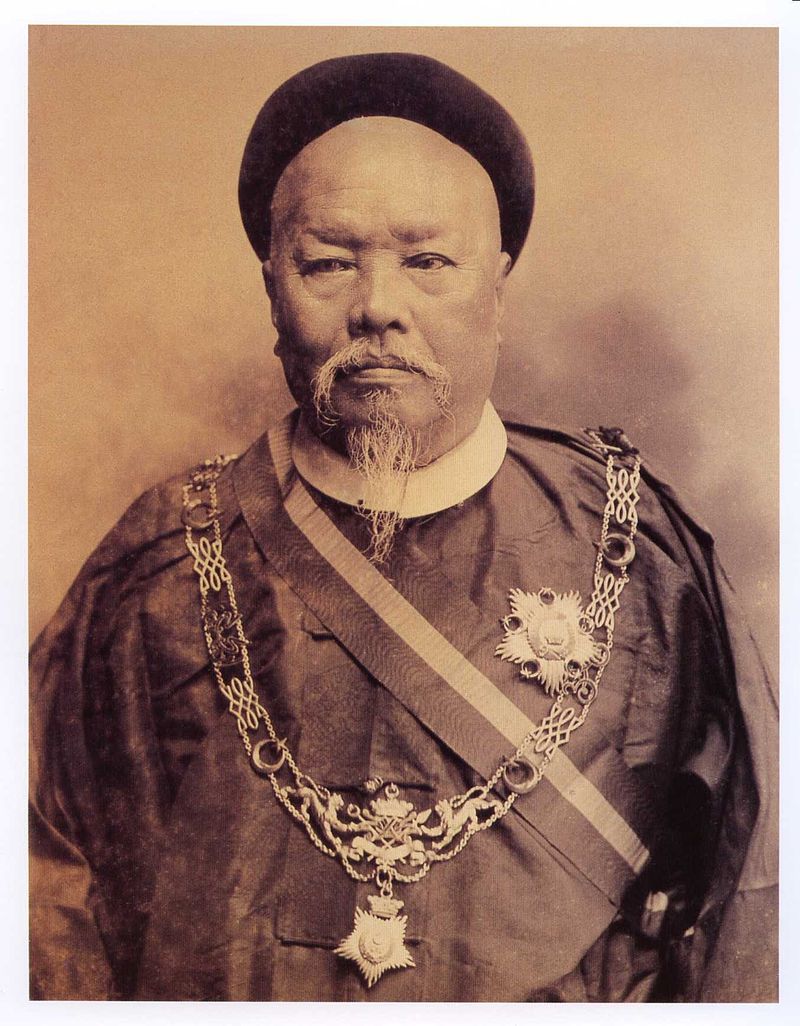
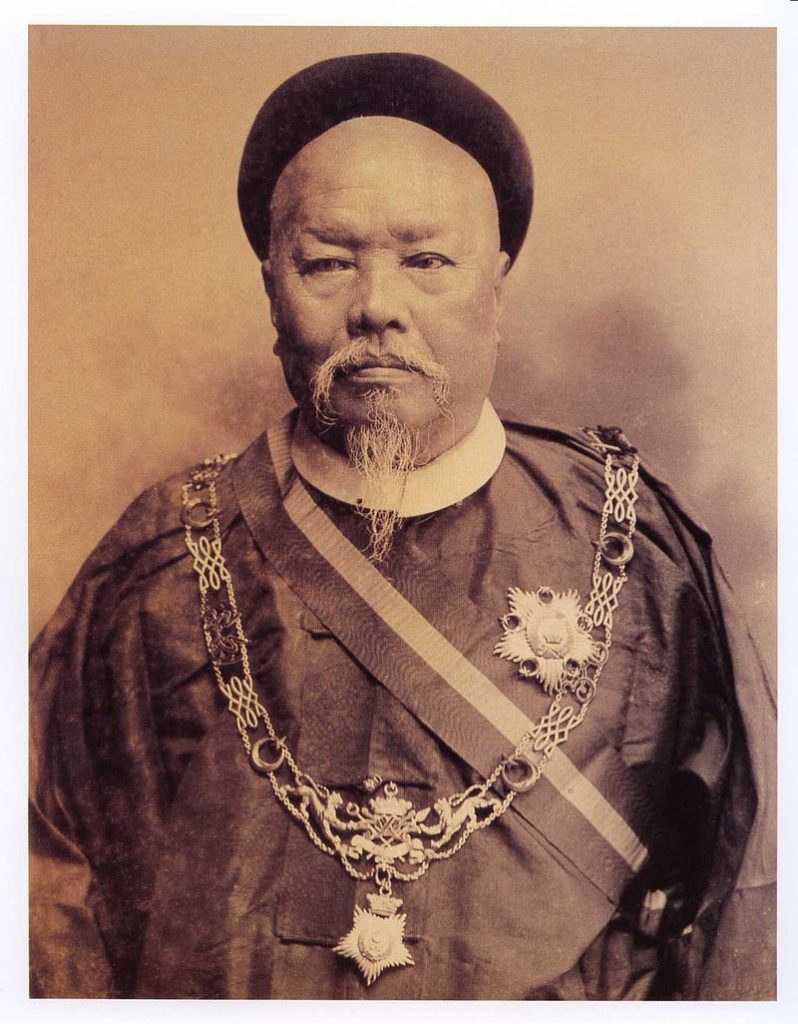
The Ngee Heng Society, headed by Mejor Cina Tan Hiok Nee, provided the necessary funds. This resulted in a vast area from the left bank of the Johor River to the shores of the Straits of Johor facing Pulau Ubin in the west being planted with the crops.
The Johore Steam Sawmill
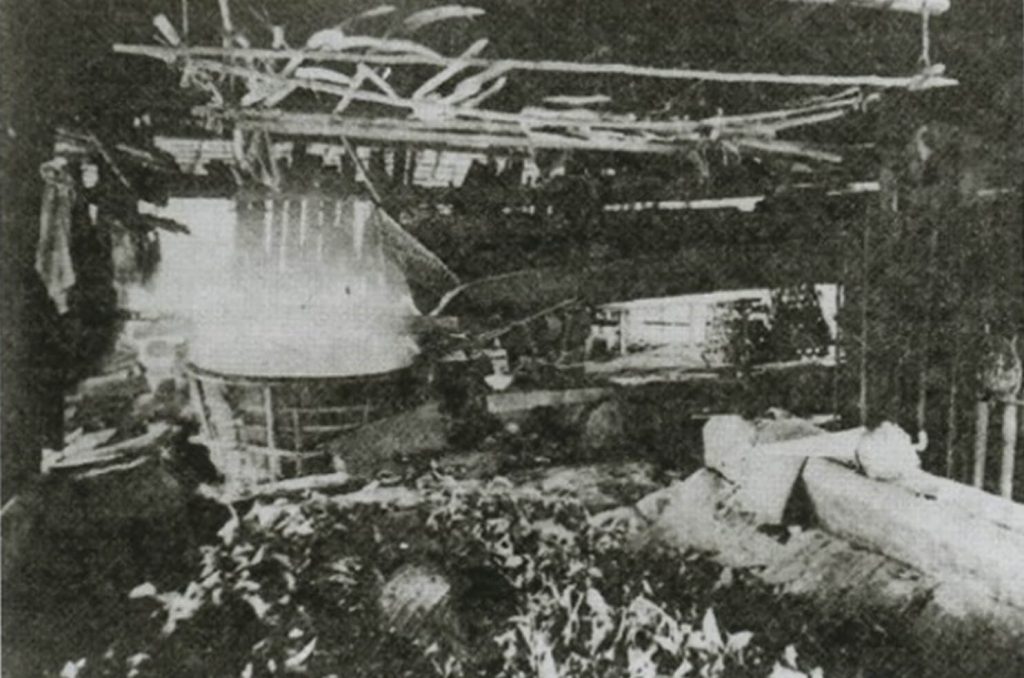
Abu Bakar formed a joint venture company with Dato' Alexander Meldrum to build and operate the Johor Steam Sawmill at Tanjong Puteri, the largest mill of its kind in South East Asia then. The sawn timber, gambier, pepper and other agricultural products were exported not only to the Far East but also to Europe, especially after the opening of the Suez Canal in 1869.

Dato’ James Alexander Meldrum. (Source: The Royal Abu Bakar Museum)
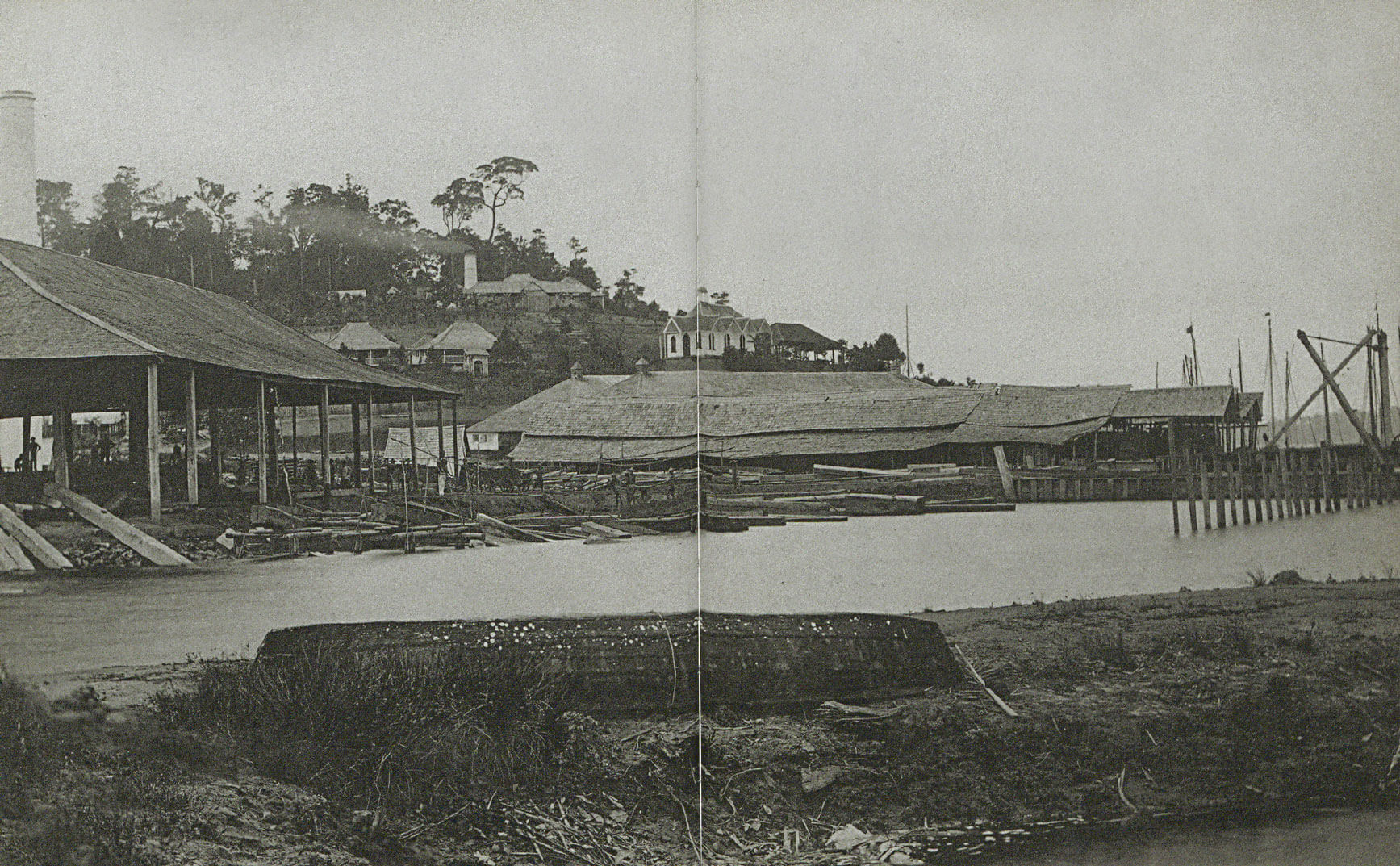
Dato’ James Alexander Meldrum built a sawmill in Iskandar Puteri in 1860.
The Land Concessions
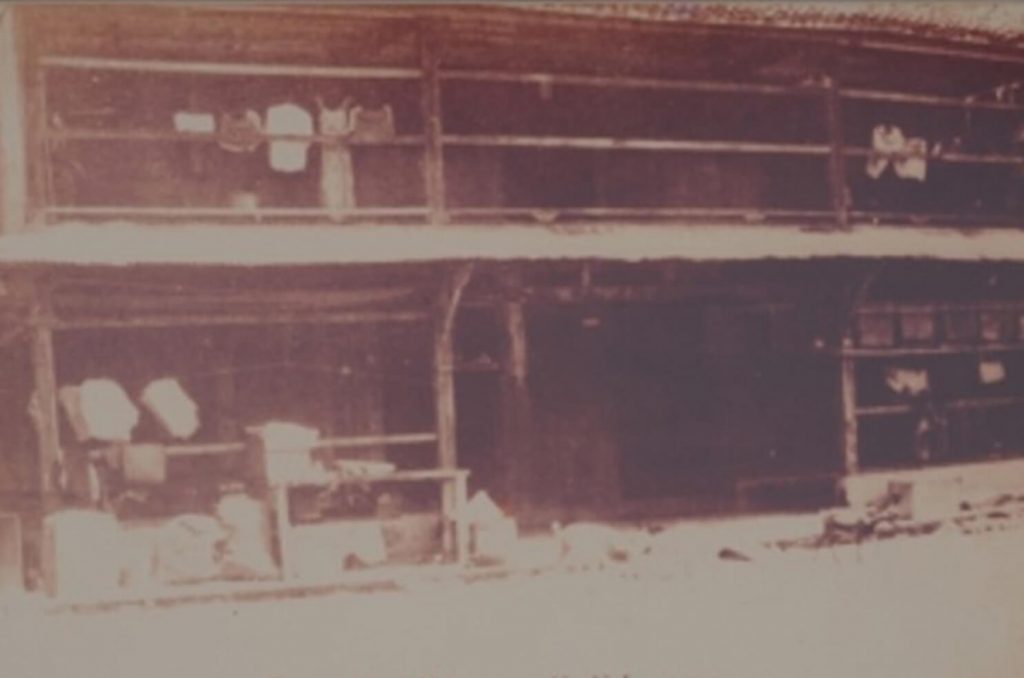
In 1870 Abu Bakar embarked on a policy of granting leases of large tracts of land to individuals who have the means to develop them. The profits of such ventures went into state coffers. The system of granting concessions is the beginning of privatization. Among the concession holders was Wong Ah Fook to develop the town of Johor Bahru and constructed commercial buildings and shophouses.
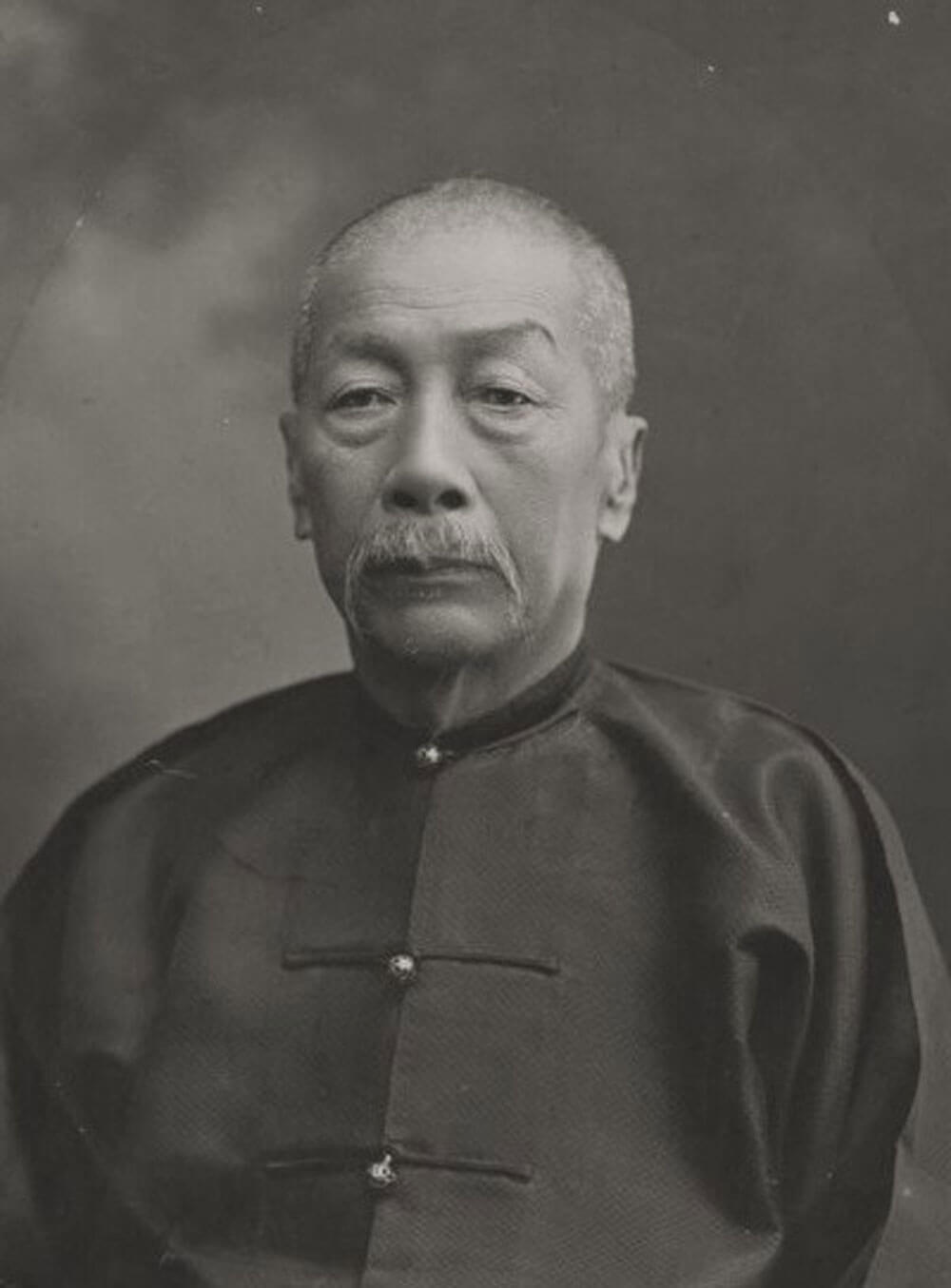
Wong Ah Fook. (Source: The Royal Abu Bakar Museum)
So significant was his business that Wong Ah Fook was permitted to issue his currency to pay wages to his workers. The rapid development of Johor Bahru saw an increase in revenue farms (read opium and gambling dens). As a result, Johor Bahru gained notoriety as the Monte Carlo of The East.
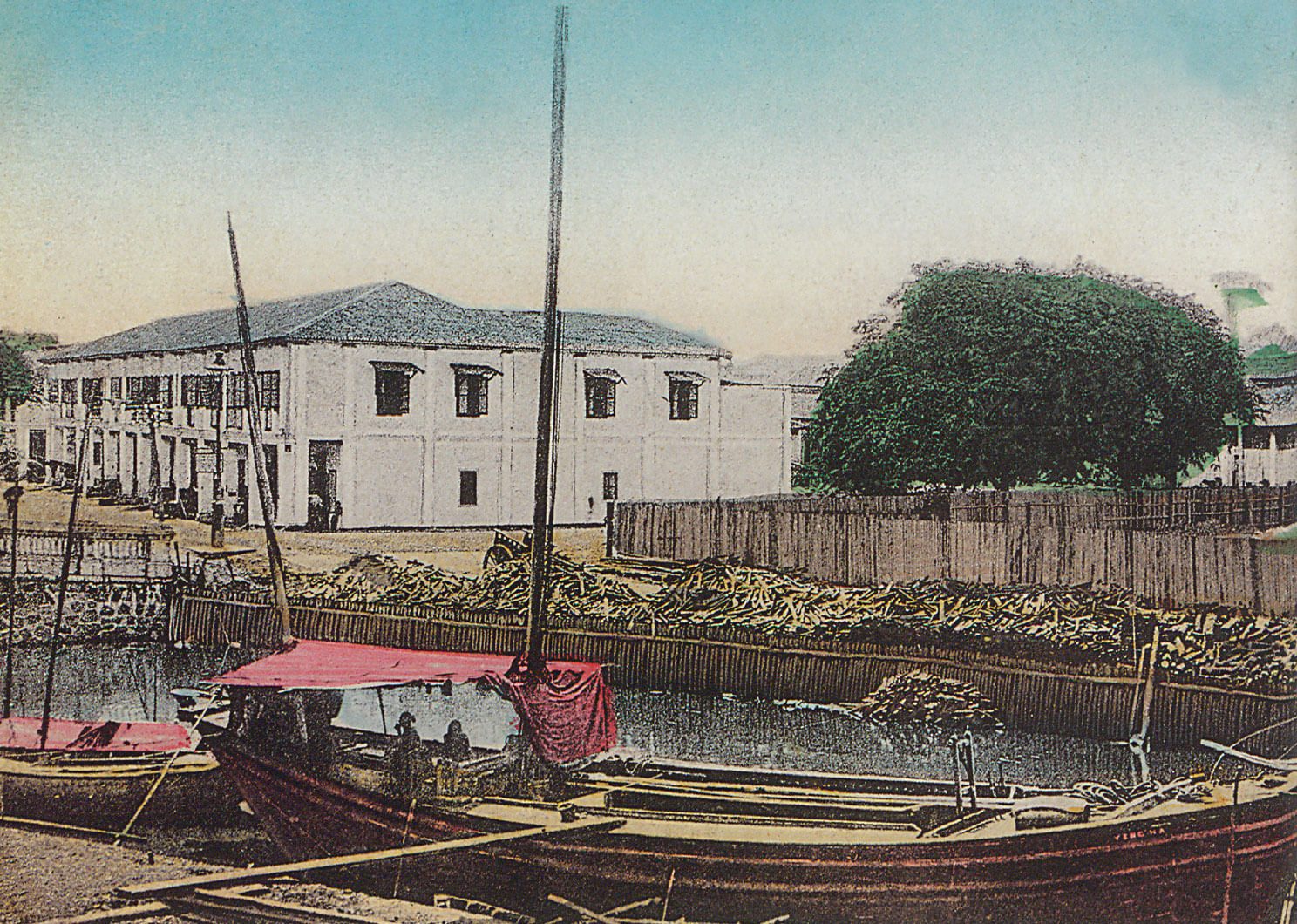
Wong Ah Fook street in 1900. (Source: Johor Heritage Foundation)
Abu Bakar granted a concession to Dato' Syed Mohamad Alsagoff in Kukup, Pontian, for the commercial cultivation of vegetables, coconuts, fruits, gambier and pepper. He was permitted to issue his currency, the Constantinople Notes, named after his enterprise, the Constantinople Estate.
Ungku Abdul Majid ibni Temenggong Ibrahim received a concession to develop an area now known as Majidee. Lim Ah Siang was granted a concession to develop Bukit Chagar and the eastern part of the town as a residential and commercial entity.

Constantinople 2 dollar Notes. (Source: The Royal Abu Bakar Museum)
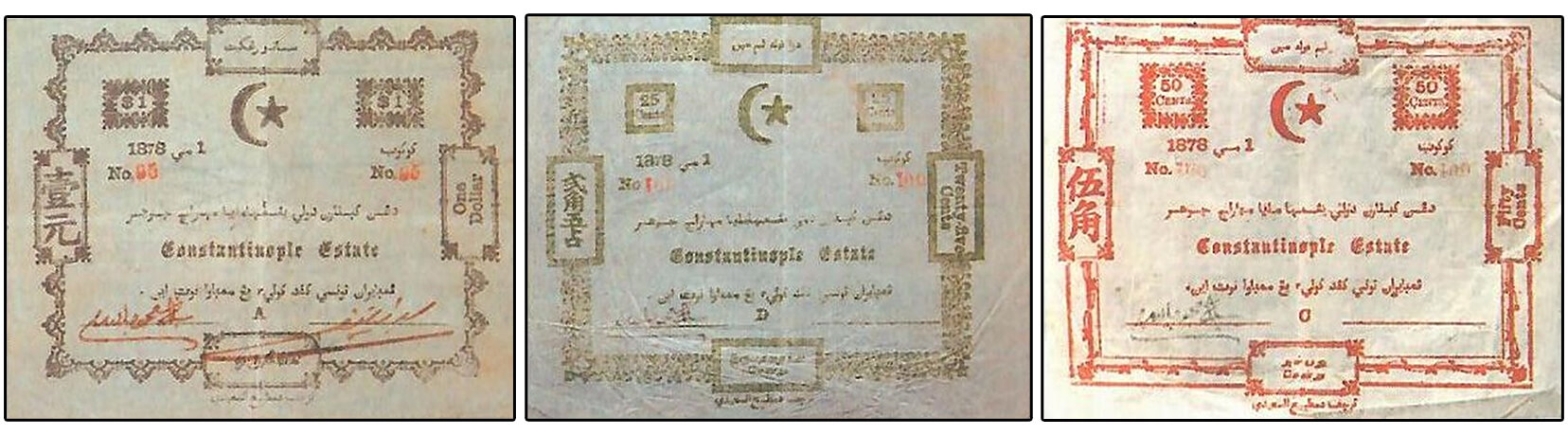
Constantinople 25 cents, 50 cents and 1 dollar Notes. (Source: Bank Negara Malaysia, 2003. Malaysian Numismatic Heritage)

 English
  Malay
Malay