
From time immemorial, mankind required an emblem as a visible and physical symbol of his existence and status, the legitimacy of an establishment, group or country. Originally flags and pennants, swords and shields, spears and others were used as weapons of war to protect a leader. Over time these weapons evolved into instruments of authority for ceremonial purposes.
Heraldry
Heraldry
The State Crown
Following the signing of the Johor State Agreement on 11 December 1885, which among others, stated the British recognized him as Sultan of the independent state of Johor, Abu Bakar proceeded to have a crown made for him. The crown symbolises his and his heirs and successors’ legitimacy and sovereignty as the Ruler of Johor. The crown represents Abu Bakar’s radical move to introduce reforms and change the custom and traditional attire of the Malay Rulers. It is also a bold move towards modernization. Johor became the first state to have a crown and the first state to hold a coronation ceremony for its Ruler on 29 July 1886. The state crown is modelled after the English King Edward crown but modified with the inclusion of the symbols of Islam, like the crescent and star, to replace the crucifix and the words Allah and Mohammad at the apex. The body of the crown is encrusted with numerous diamonds and precious stones of various shapes and colours.
In 1930 Sultan Sir Ibrahim had a diadem made for his Consort. The diadem is made of gold and adorned with diamonds and precious stones. London Crown Jewellers J.W. Benson was specially commissioned to design and make the state crown and the queen’s diadem.


The Flags
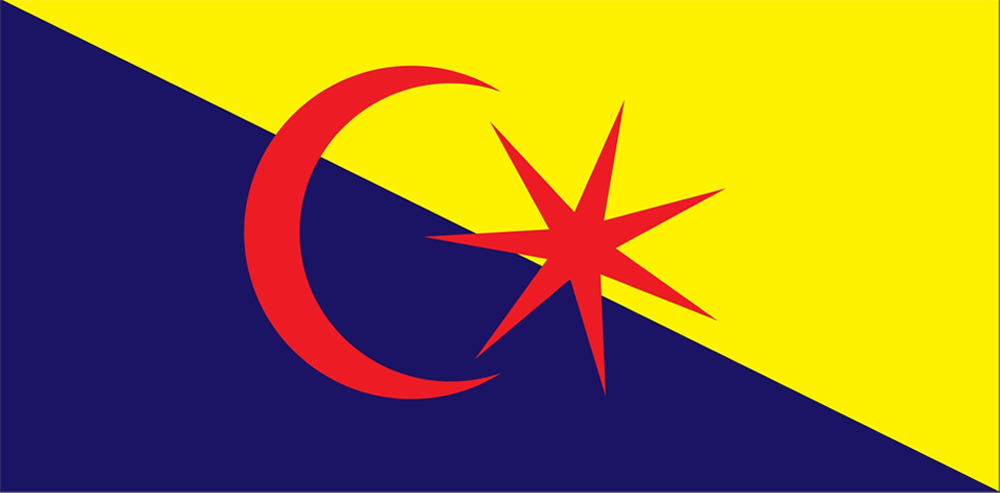
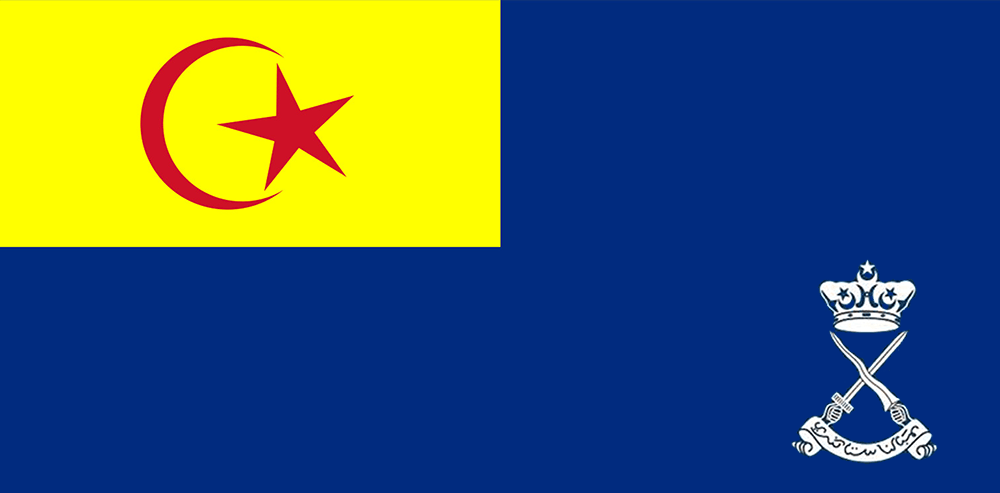
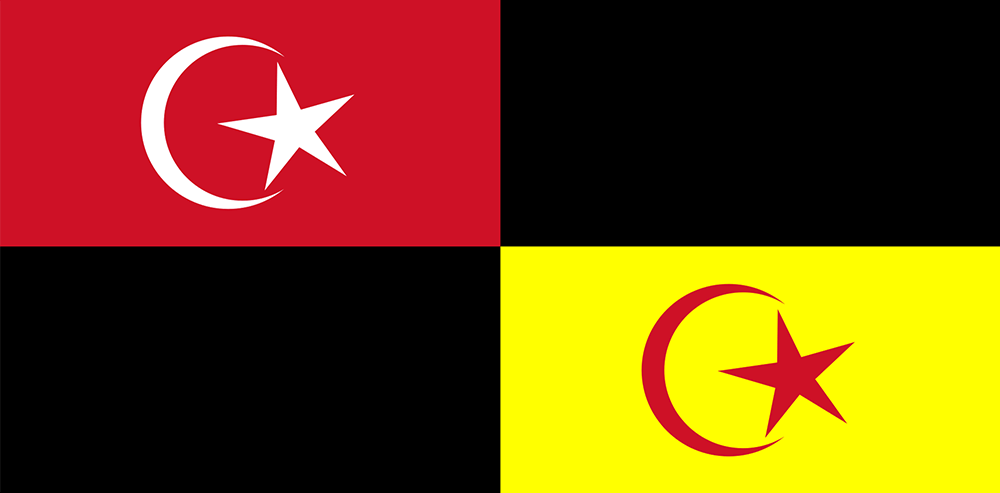
Temenggong Daeng Ibrahim raised a black flag as the State flag on setting foot at Tanjong Puteri in 1855 as a symbol of ownership. Black was the colour of the flag of Prophet Mohammad. In 1868 Abu Bakar designed seven flags appertaining to the Ruler and royalty and 13 flags appertaining to the government. He took into account the teachings and beliefs of Islam as the philosophies in the designs of the flags. The crescent and star is the symbol of Islam. Many rituals in Islam are based on odd numbers. The points of the stars 5, 7, and 9 are based on these rituals, for example, the five pillars of Islam, the five daily obligatory prayers, seven encirclements of the Ka’aba, and seven circuits of the Sa’e, seven layers of the sky and seven layers of the earth, and the seven great sins. Fasting is obligatory in Ramadan, the 9th month, the Day of Arafat falls on the 9th Zulhijah, and the nine miracles of Moses. The number nine is the highest cardinal number symbolising leadership.








Bendera yang berkaitan Raja










Bendera yang berkaitan kerajaan
Abu Bakar turned to nature and the environment in choosing the colours and devices of the flag. He chose the royal blue colour of the sky and universe as the sovereign’s colour and the blue of the sea (navy blue) as the colour of his people. Red symbolises the courage, perseverance, discipline and bravery of the pioneers and followers of the Temenggong that opened up the jungles of Johor for its economic commodities. White symbolizes purity and submission to Allah. The sharpness of the stars symbolises the confidence and discipline of the people in making accurate and critical decisions. Yellow is the traditional colour of royalty.
In 2006 Sultan Iskandar decreed the flags of the State Commissioners for Muar, Batu Pahat and Segamat to be revived and made into flags of the districts. In 2012 His Majesty Sultan Ibrahim directed that the other seven districts of Johor Bahru, Kluang, Pontian, Mersing, Kota Tinggi, Tangkak and Kulai have their own flags. His Majesty, in 2010, approved personal flags of Tunku Laksamana, Tunku Panglima, Tunku Putera, Tunku Tun Aminah, and Che’ Puan Besar Khaleeda Bustamam. In 2020, the Raja Muda flag, which was created in 1963, was revived.
The State Coat-Of-Arms
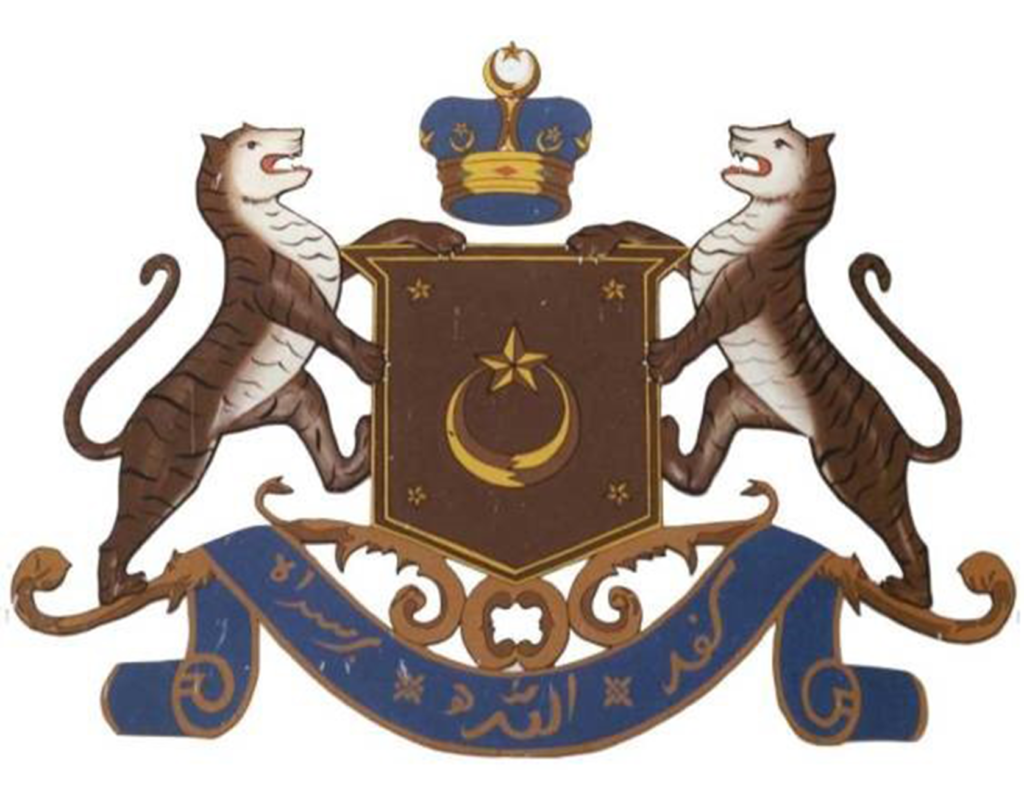
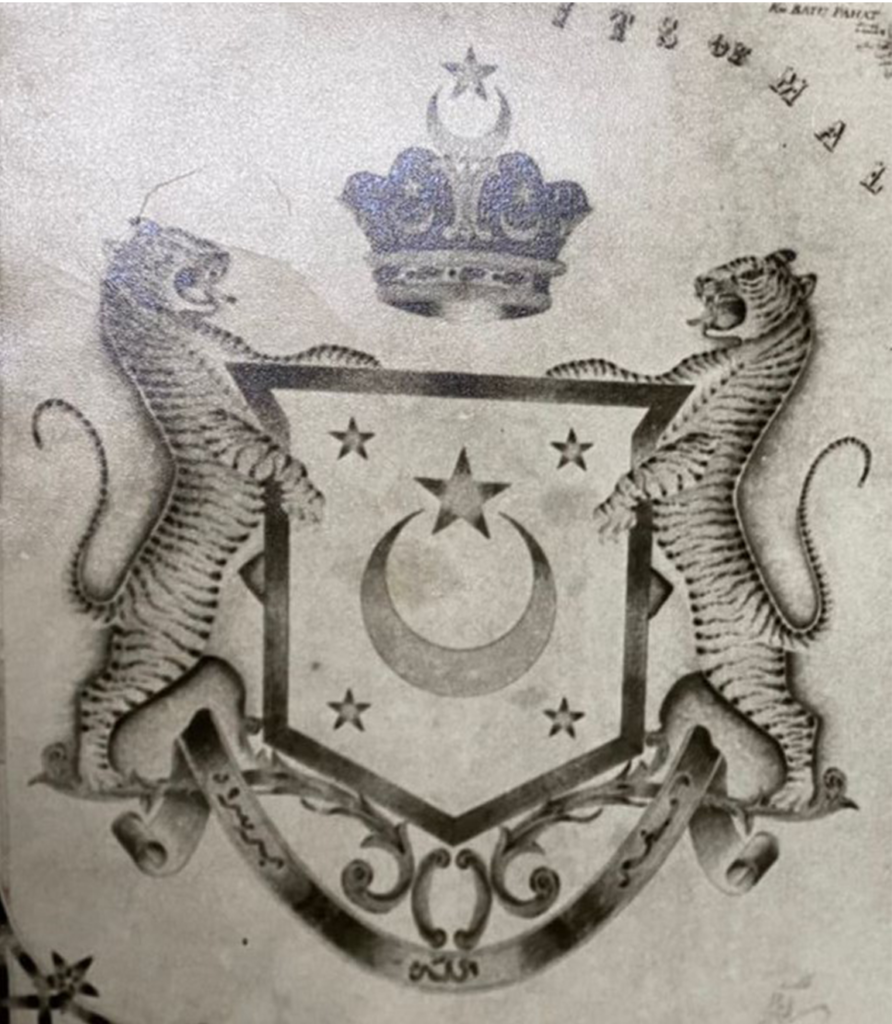
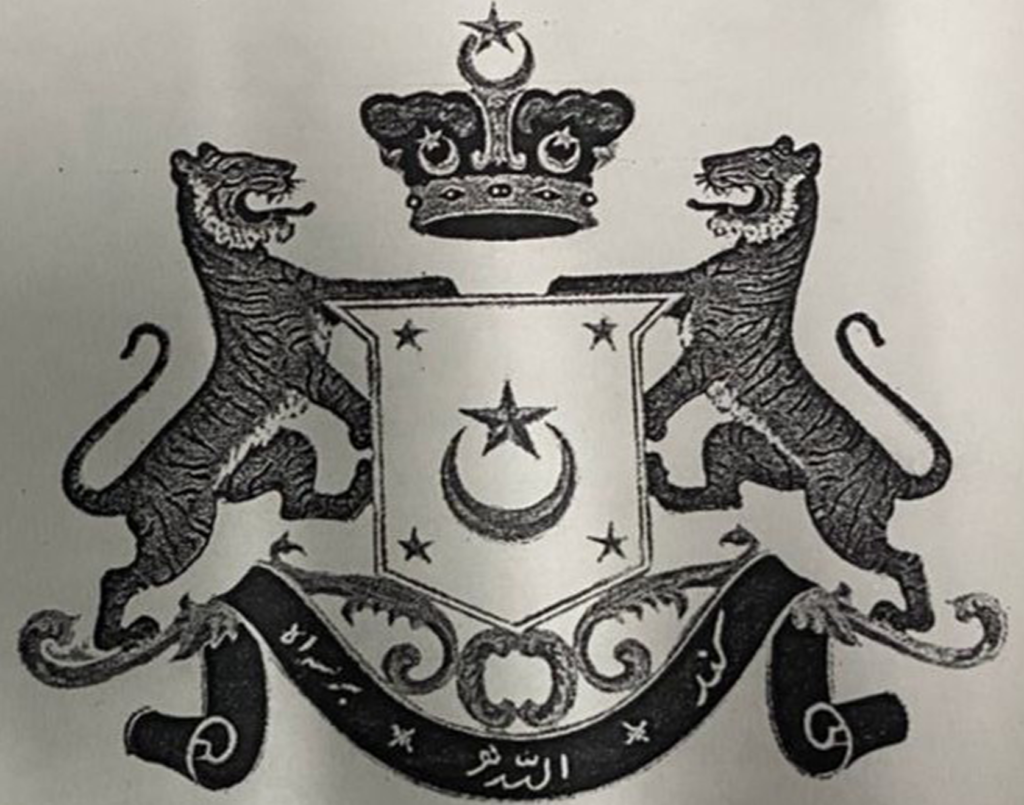
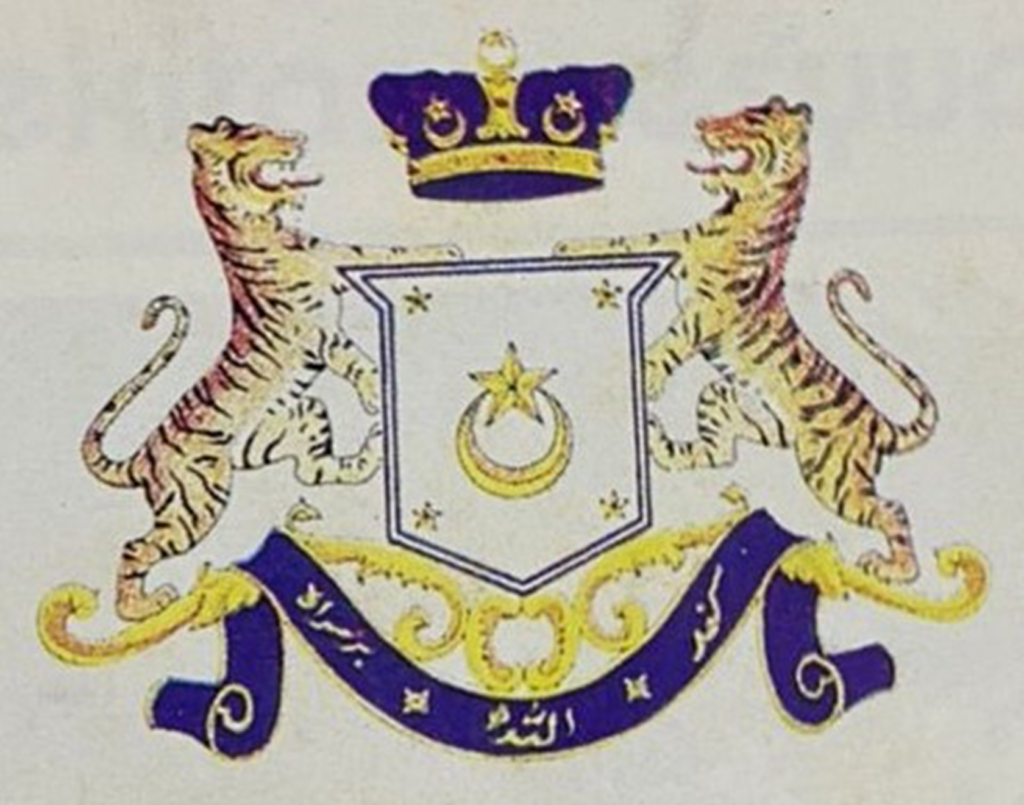

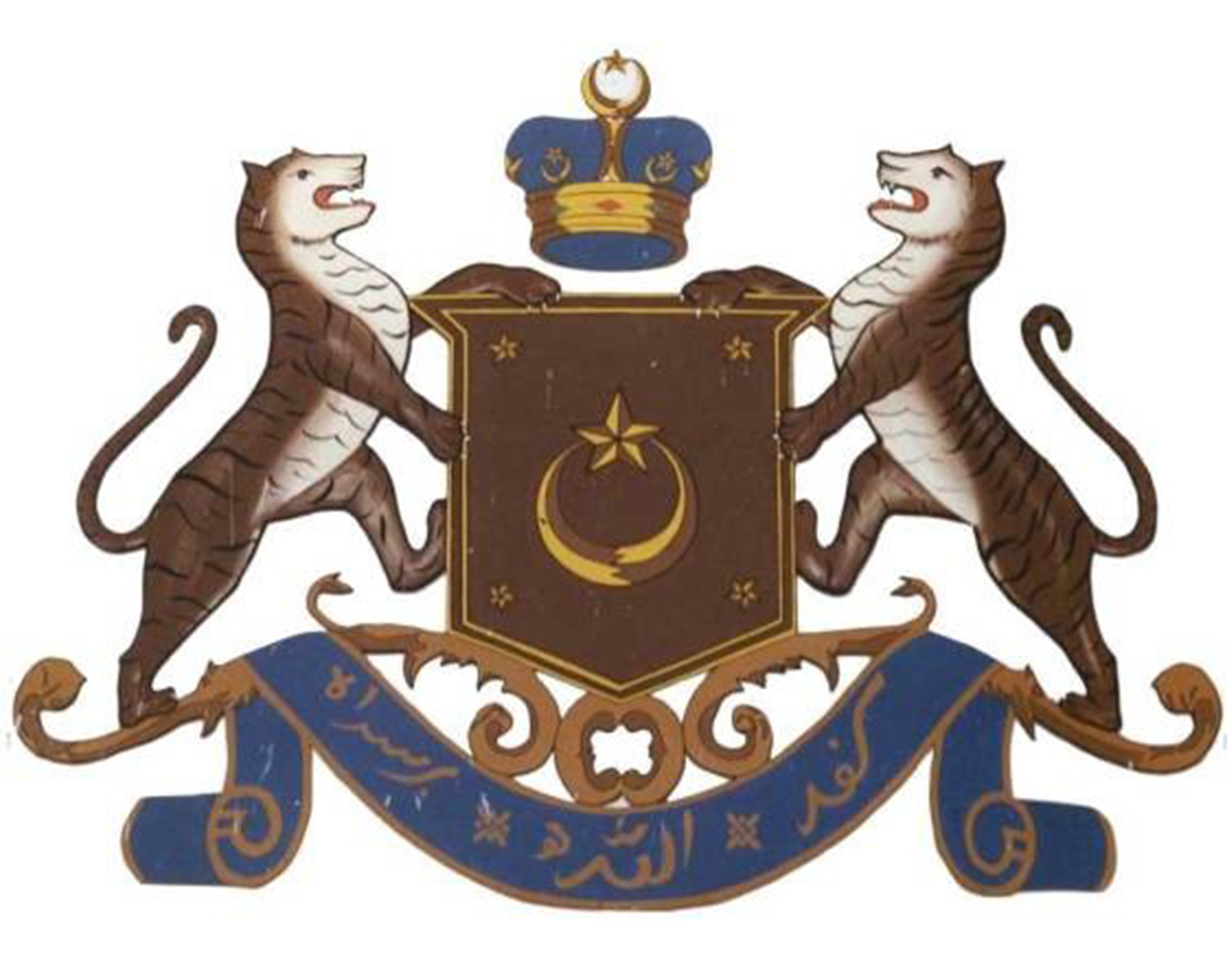
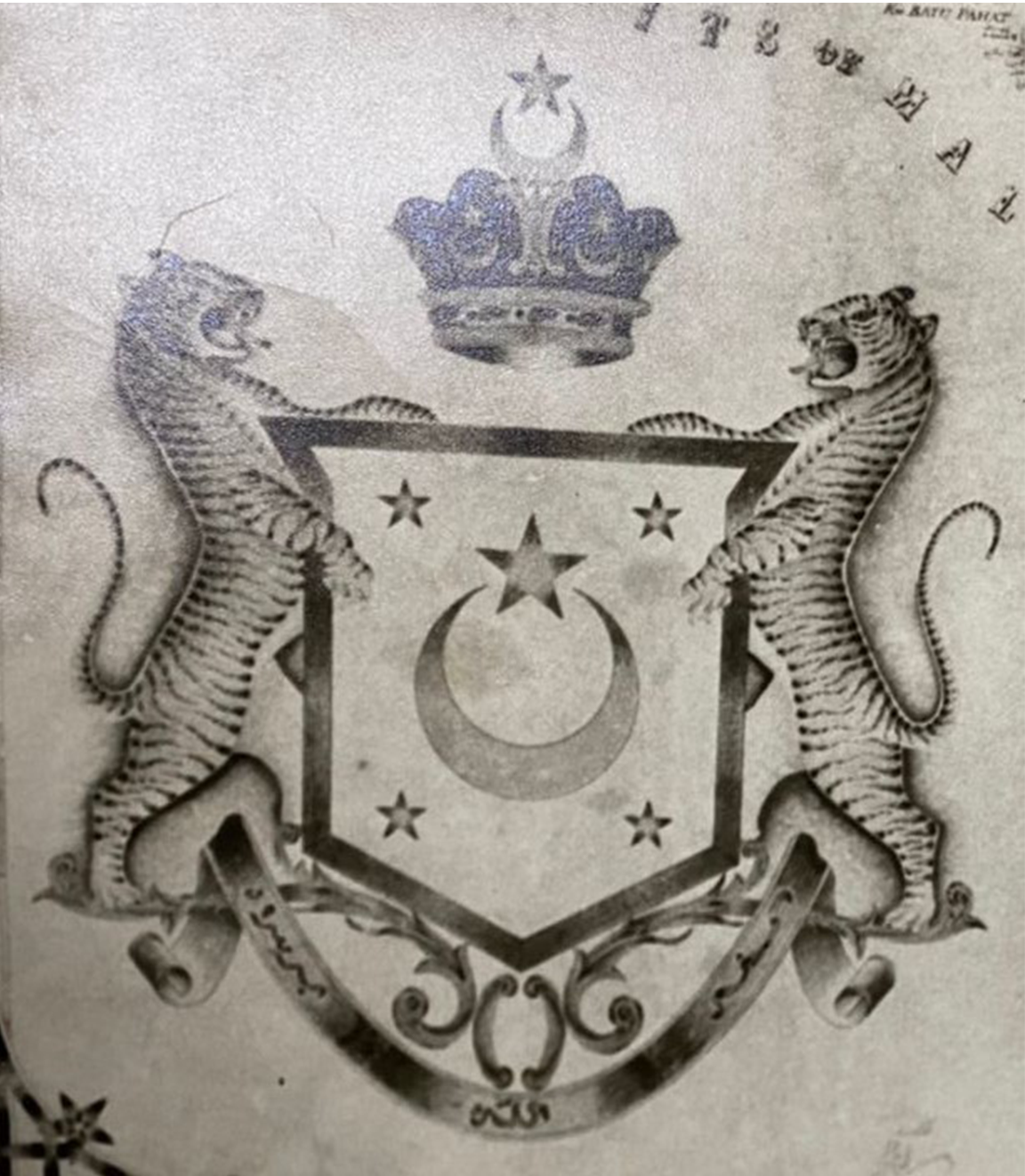
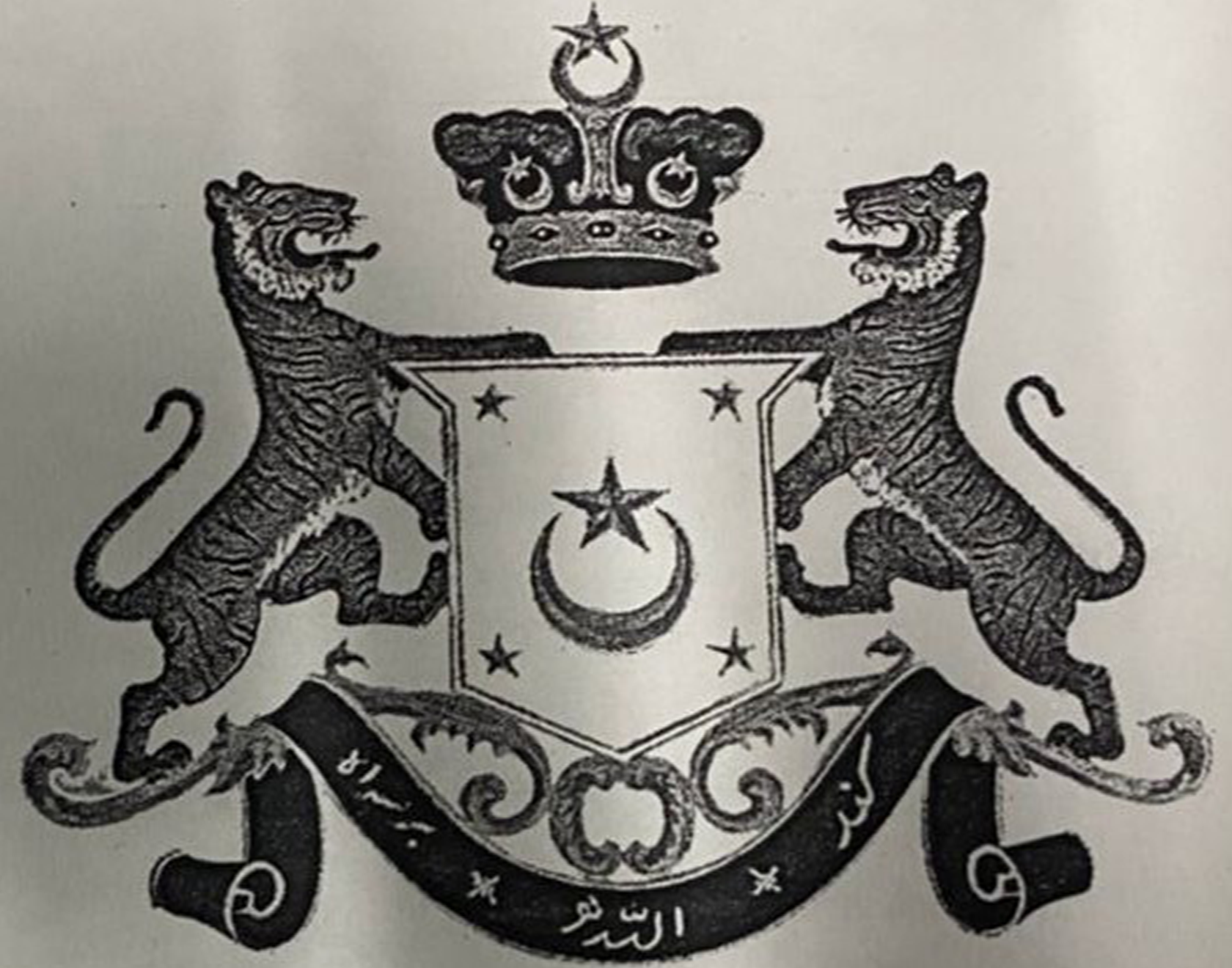
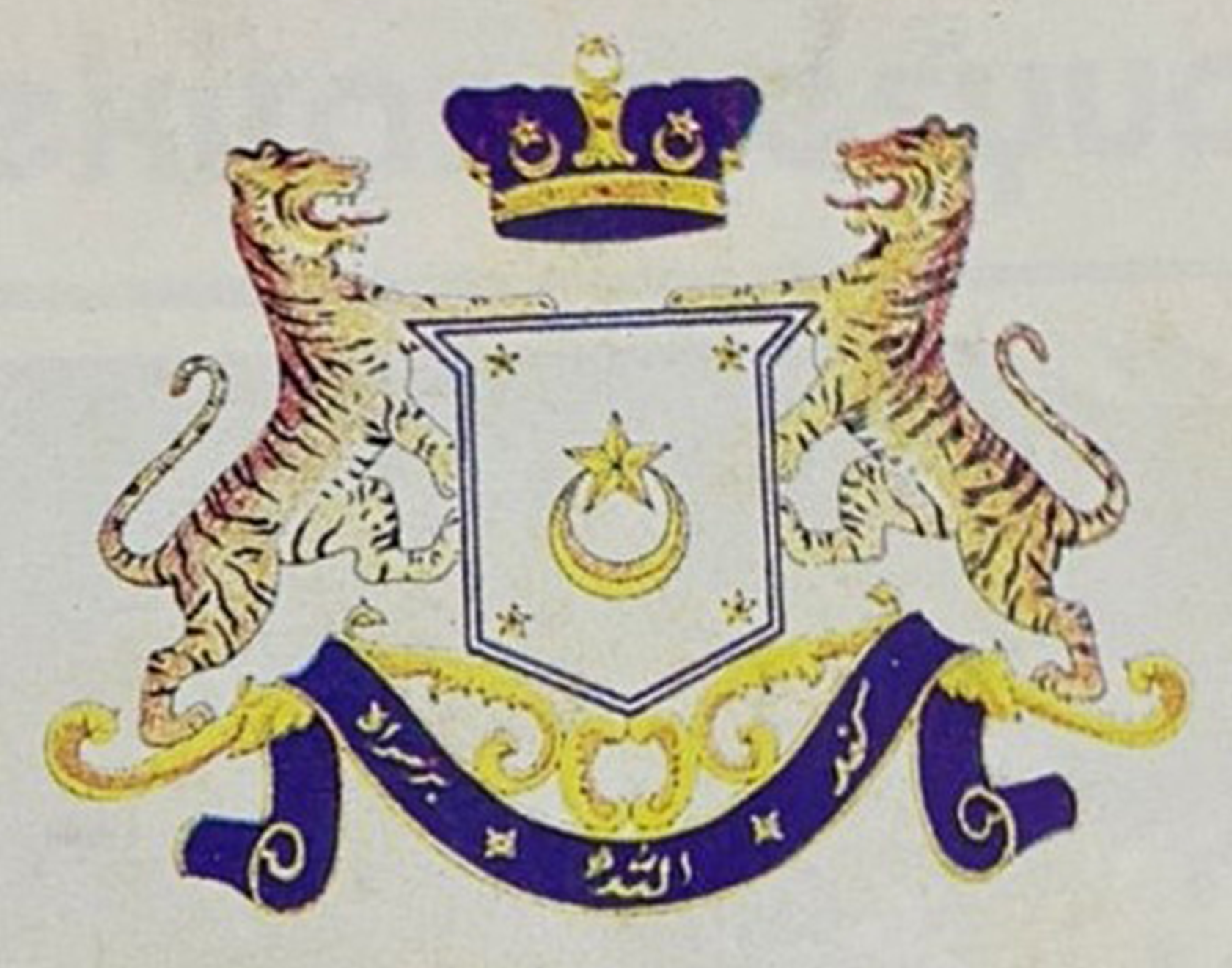
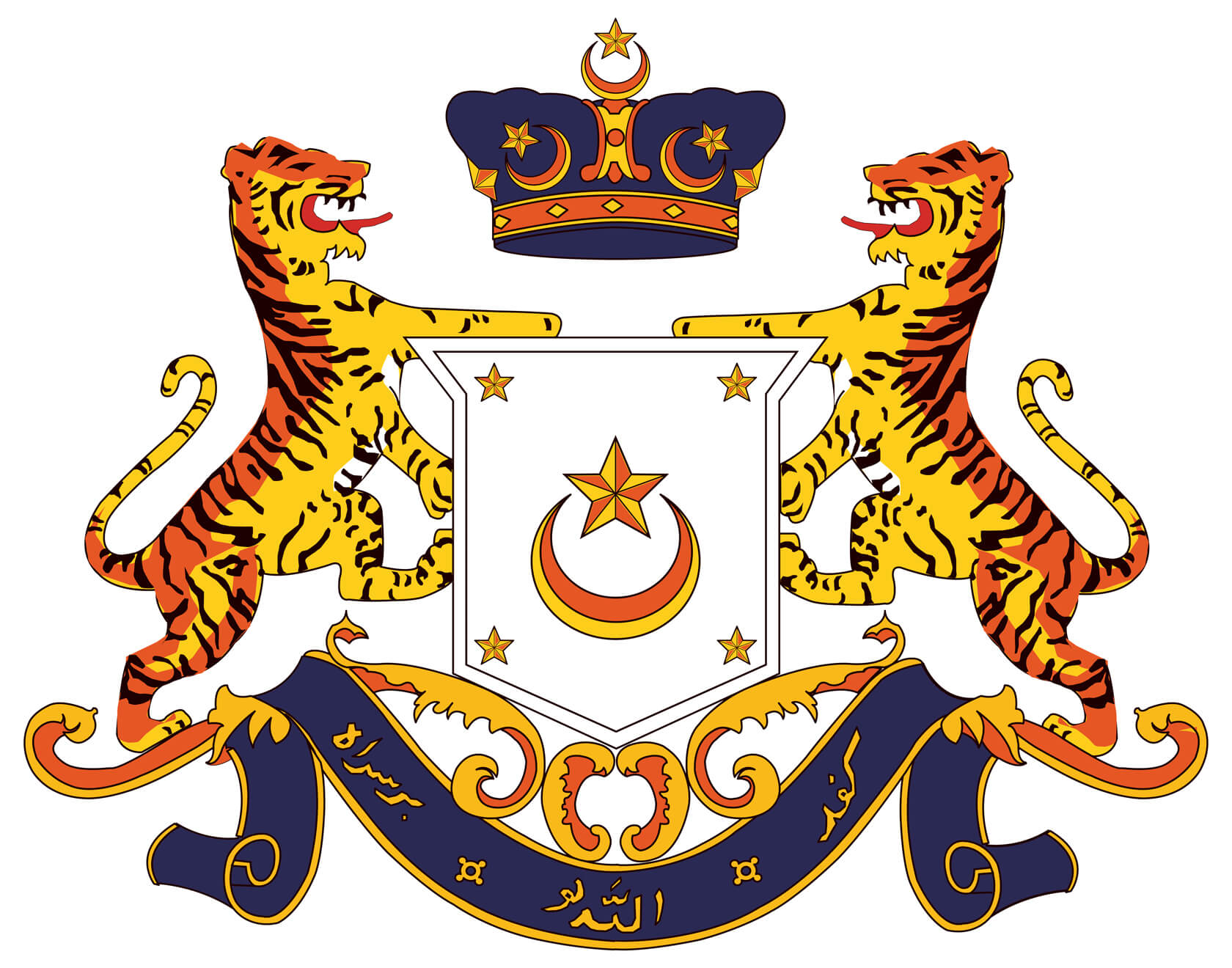
In 1886 Sultan Abu Bakar expressed the idea of having a state emblem or the State Coat-of-Arms to be made. Malay craftsmen carved the emblem from teak wood found in the jungles of Johor. The emblem is designed with a white central shield engraved with a yellow crescent moon and a five-pointed star signifying Islam, and four small stars at each corner representing the four original residencies of Johor Bahru, Muar, Batu Pahat and Segamat. Two young tigers support the emblem, which depicts strength, bravery and majesty. They are seen to be upholding and protecting the crown. Stylised carvings of gambier leaves and pepper berries, the principal economic crop of Johor, adorn the bottom of the emblem. Below it is a blue scroll inscribed with the state's motto in Jawi Kepada Allah Berserah (Unto Allah Resigned). White denotes purity, yellow is the colour of royalty, and blue the colour of the Sovereign.
The Insignias
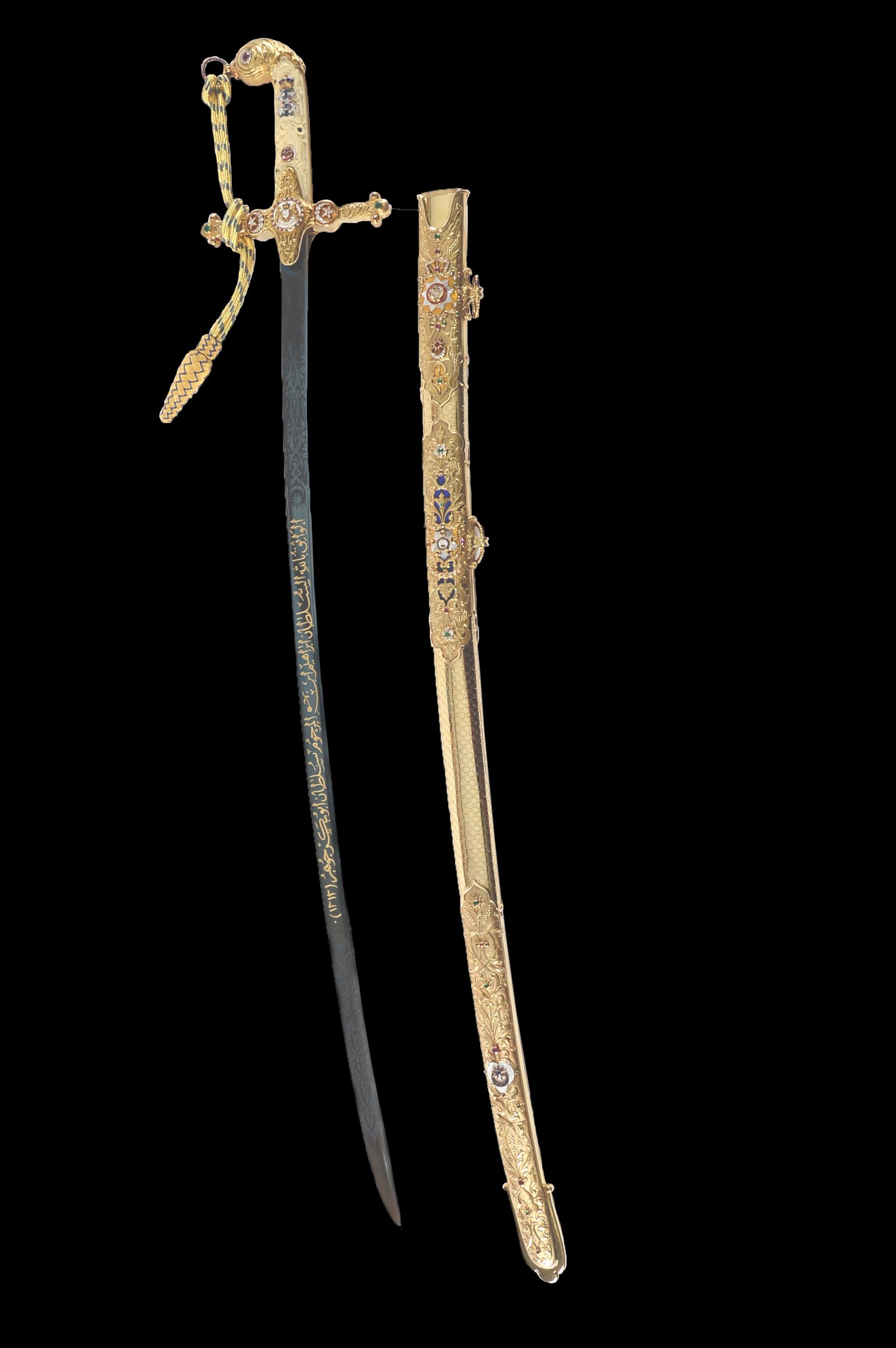
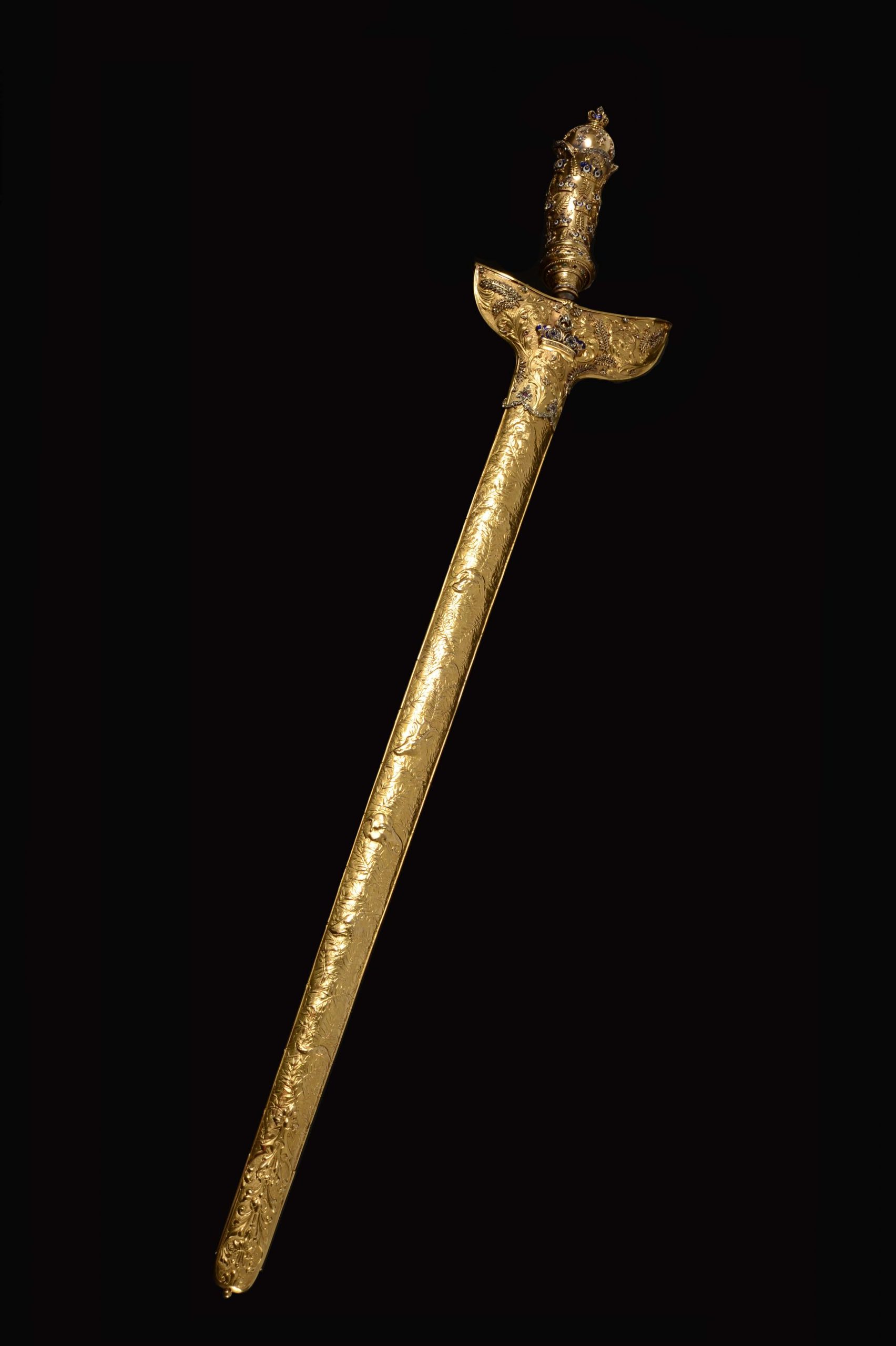
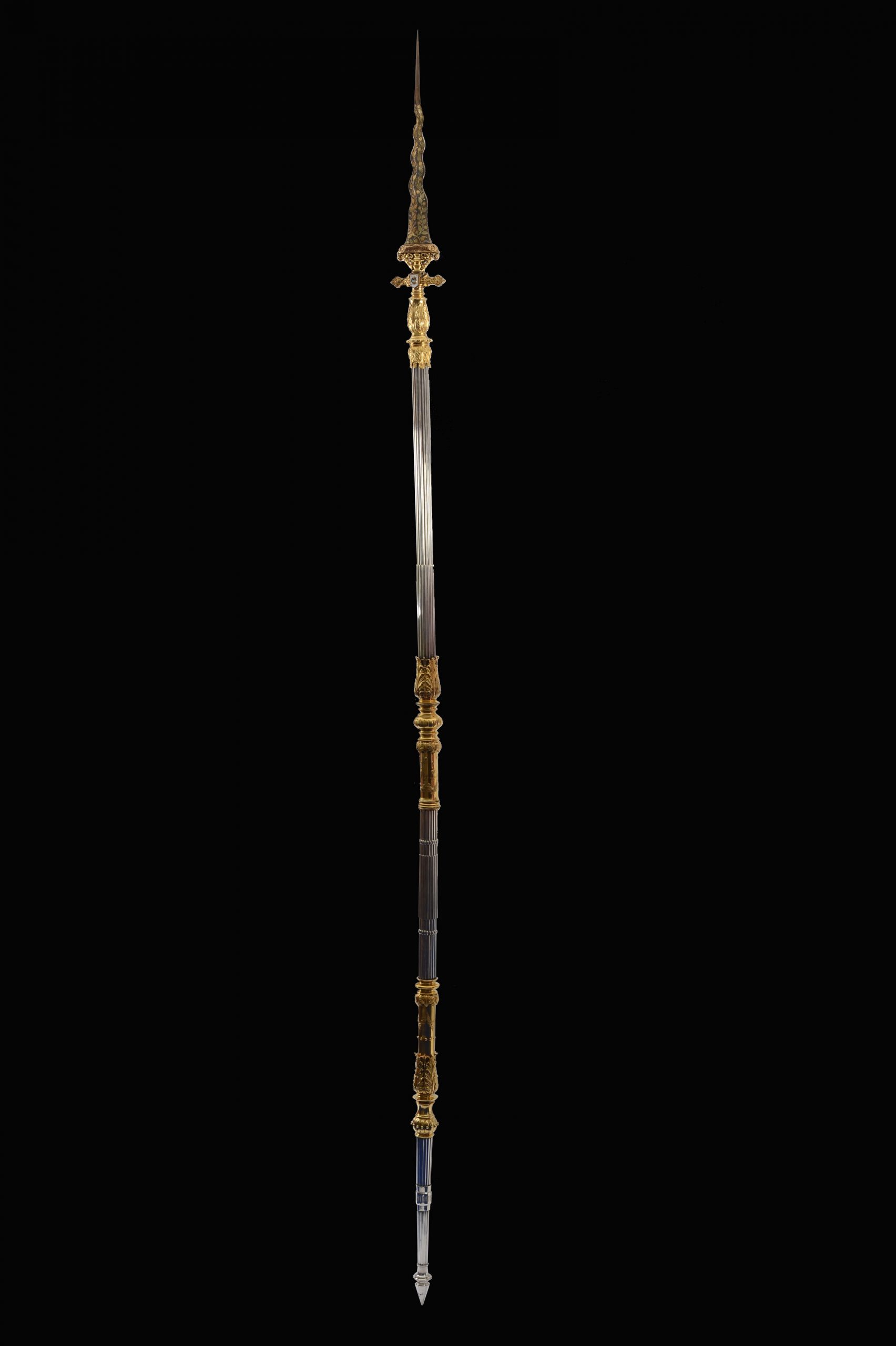
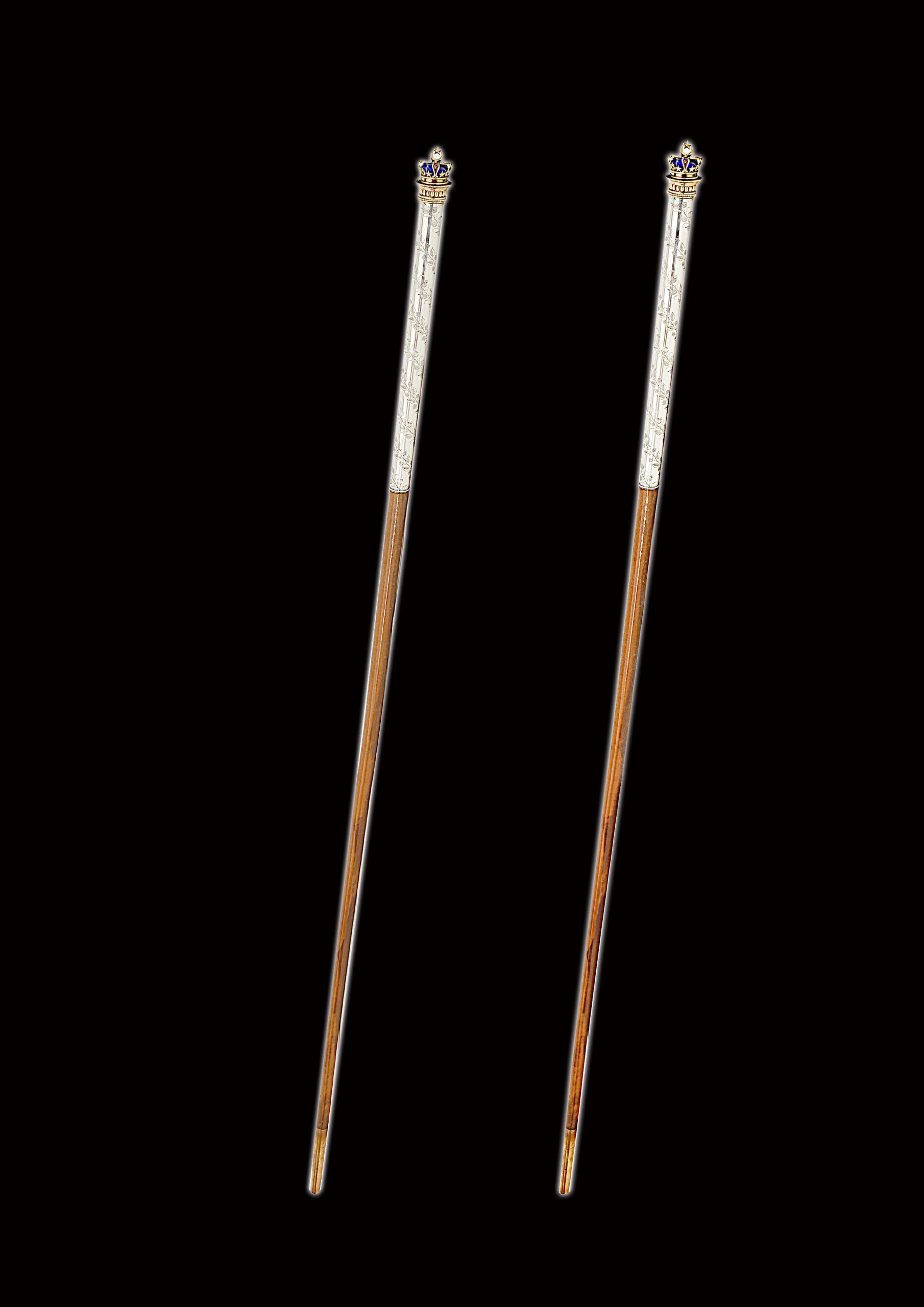
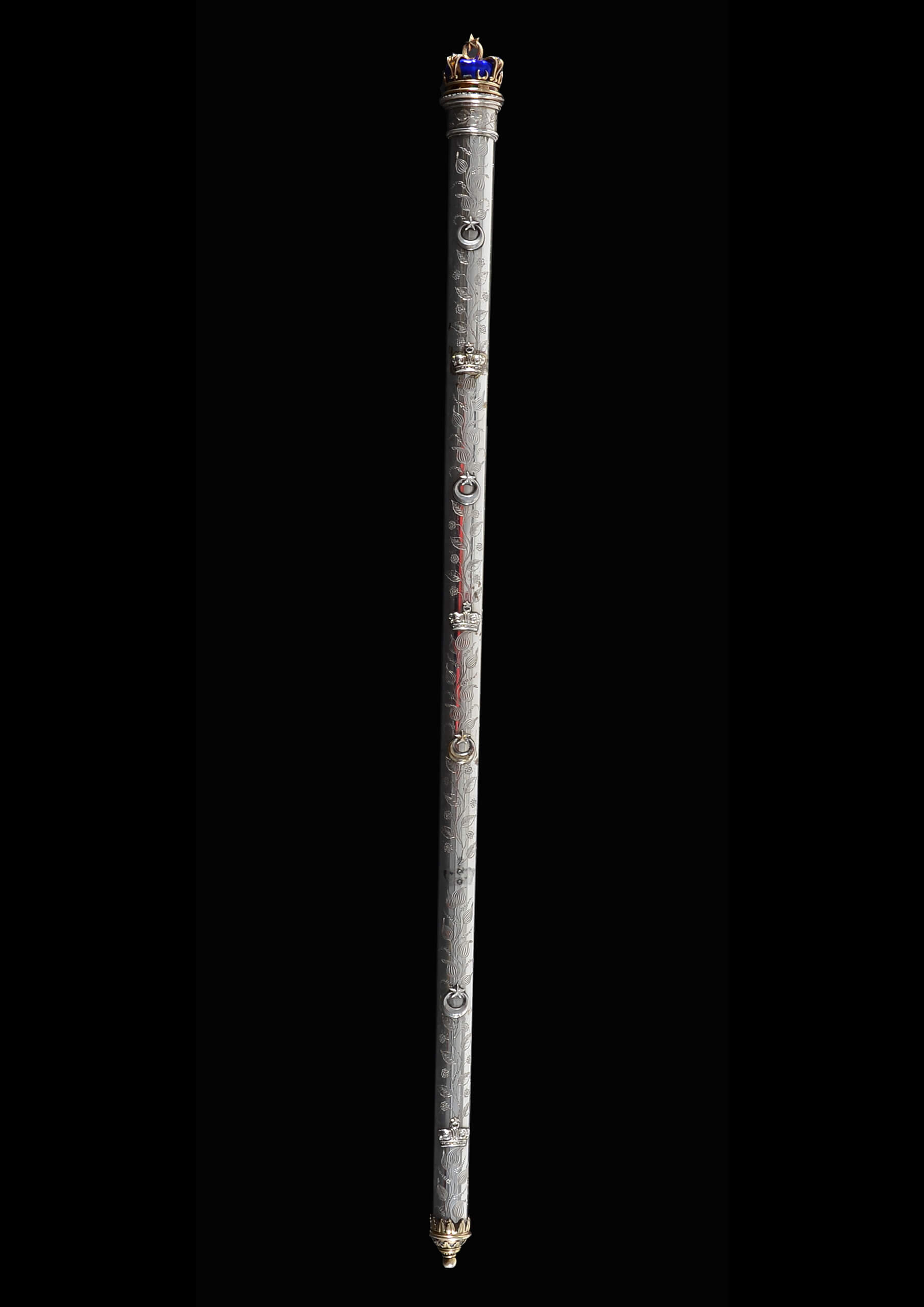
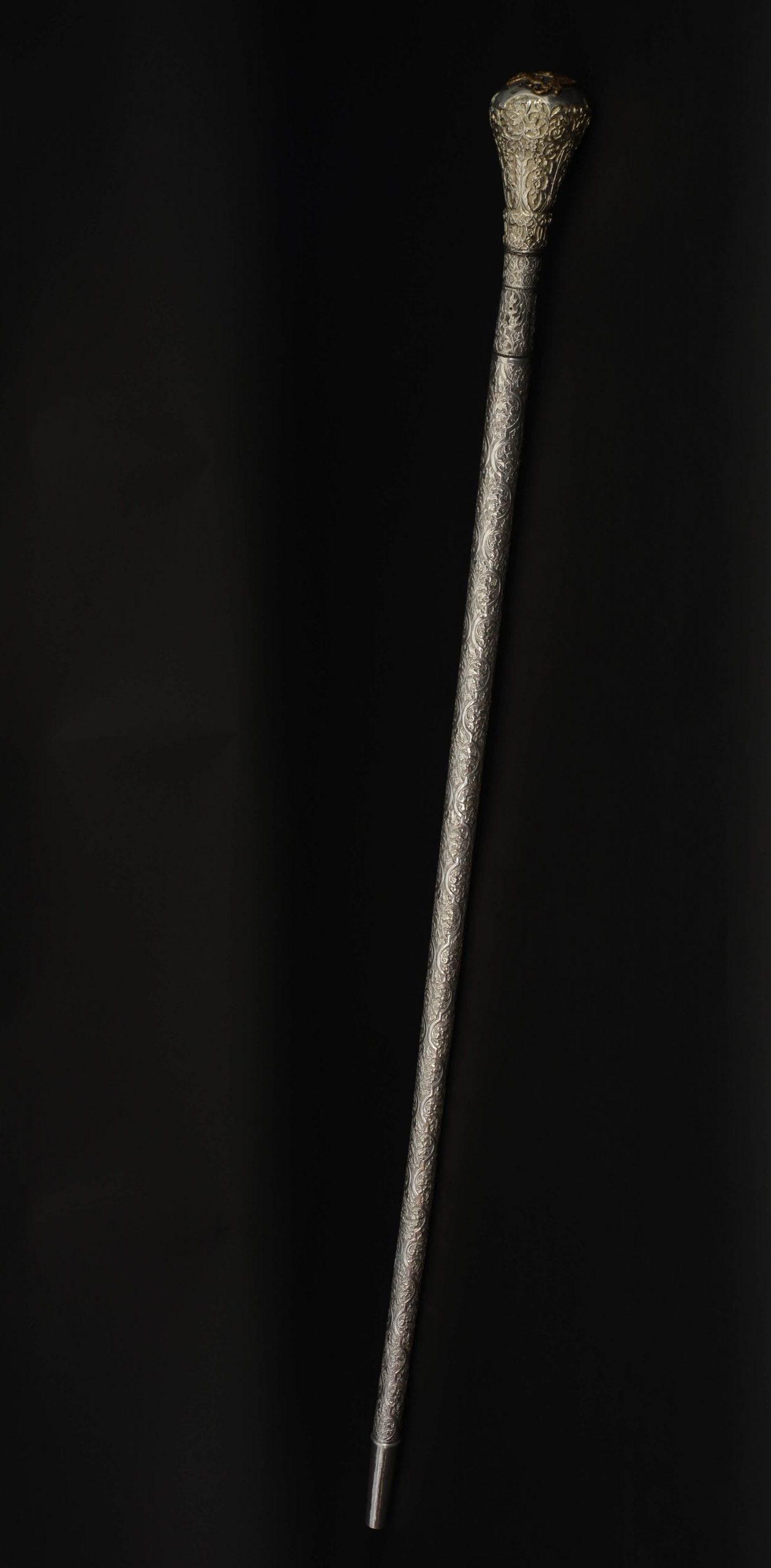
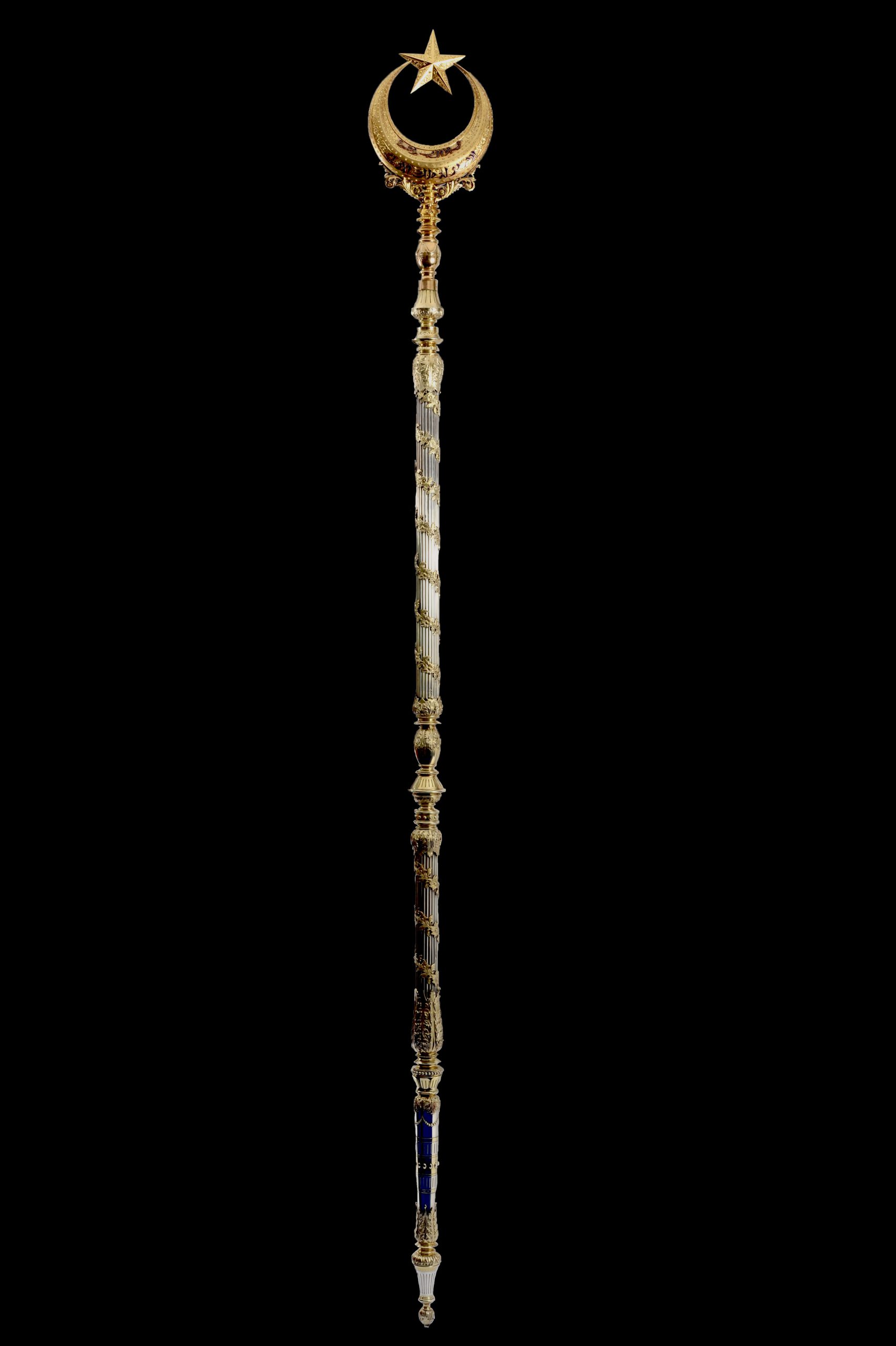
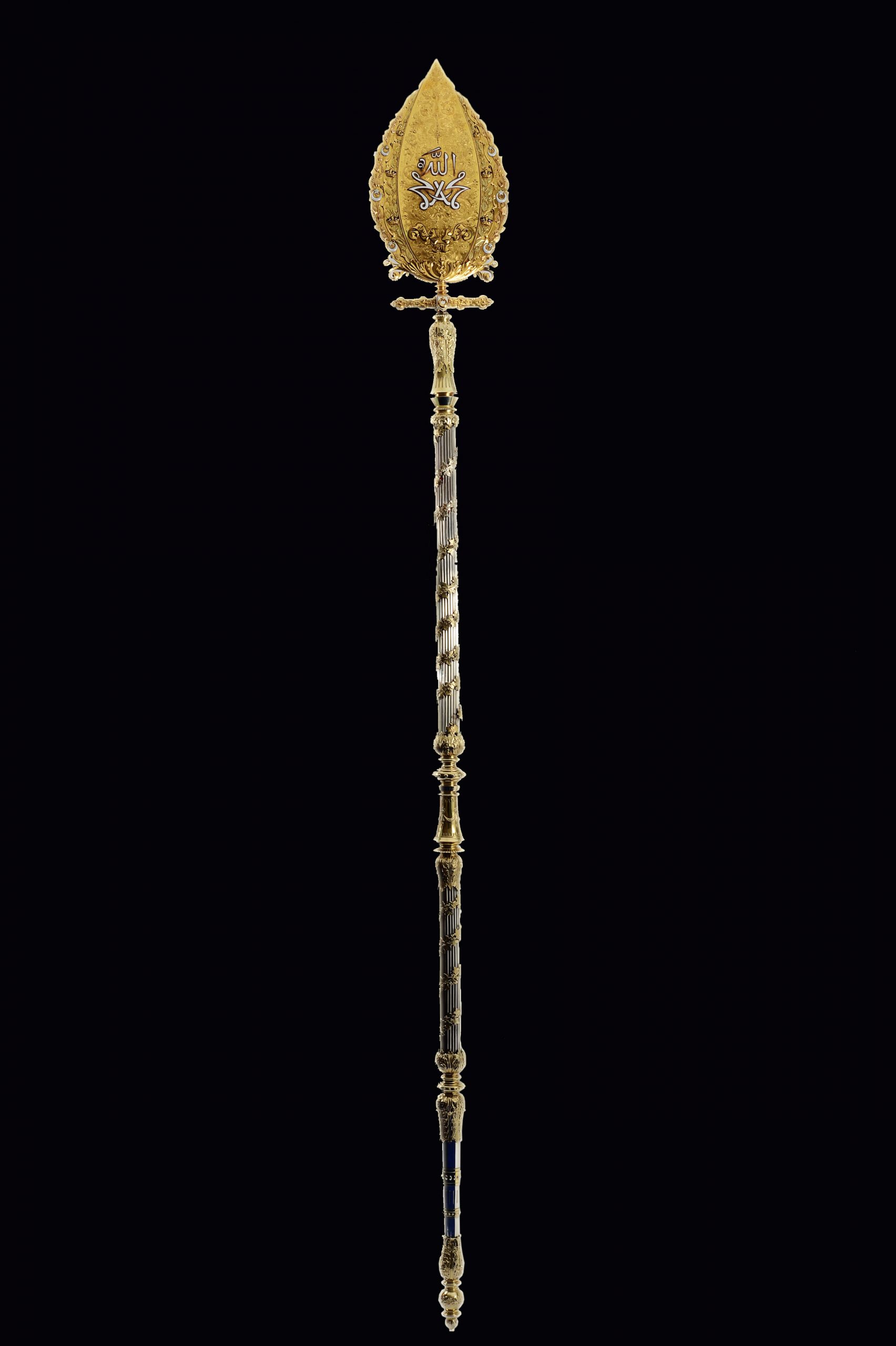
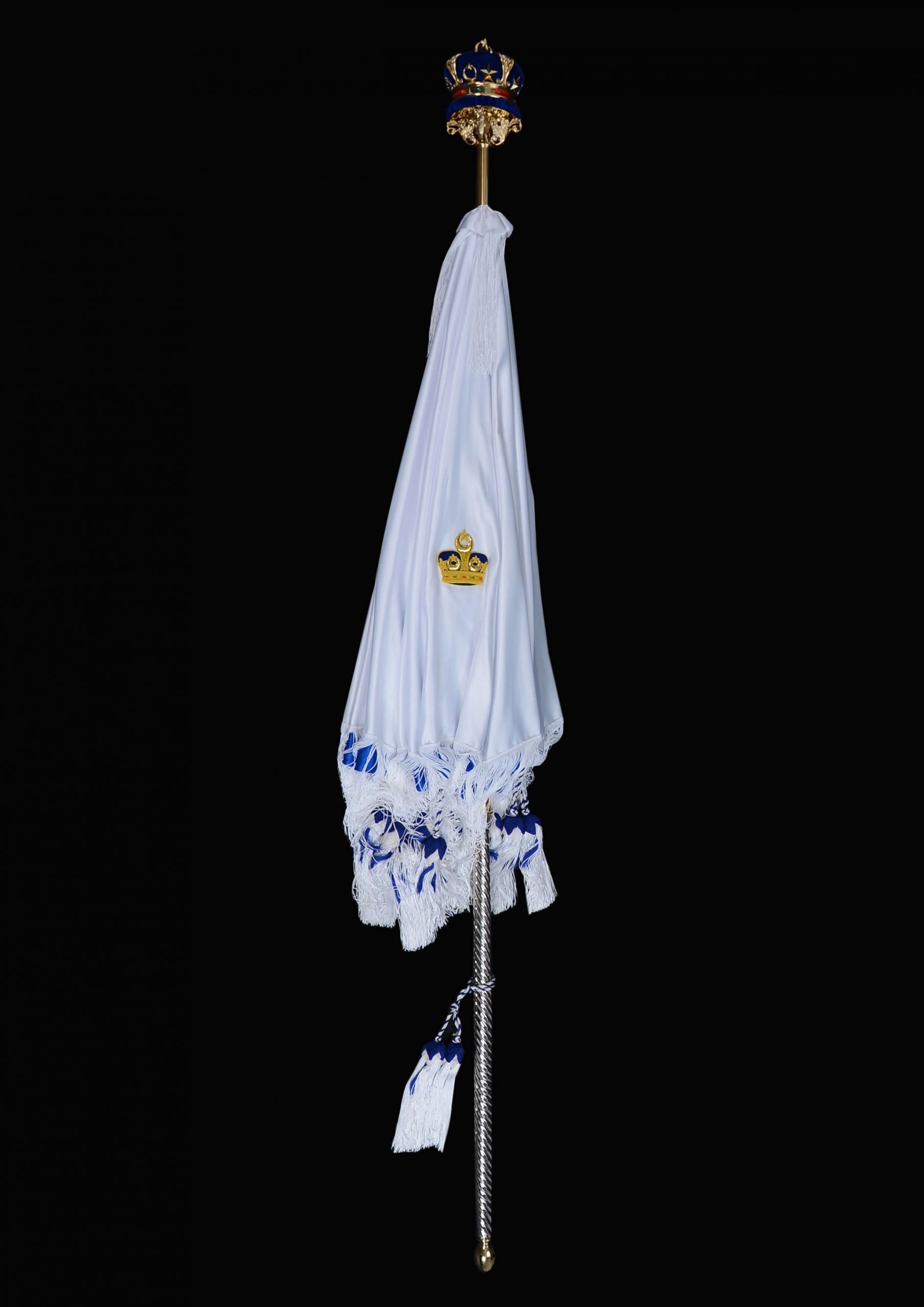
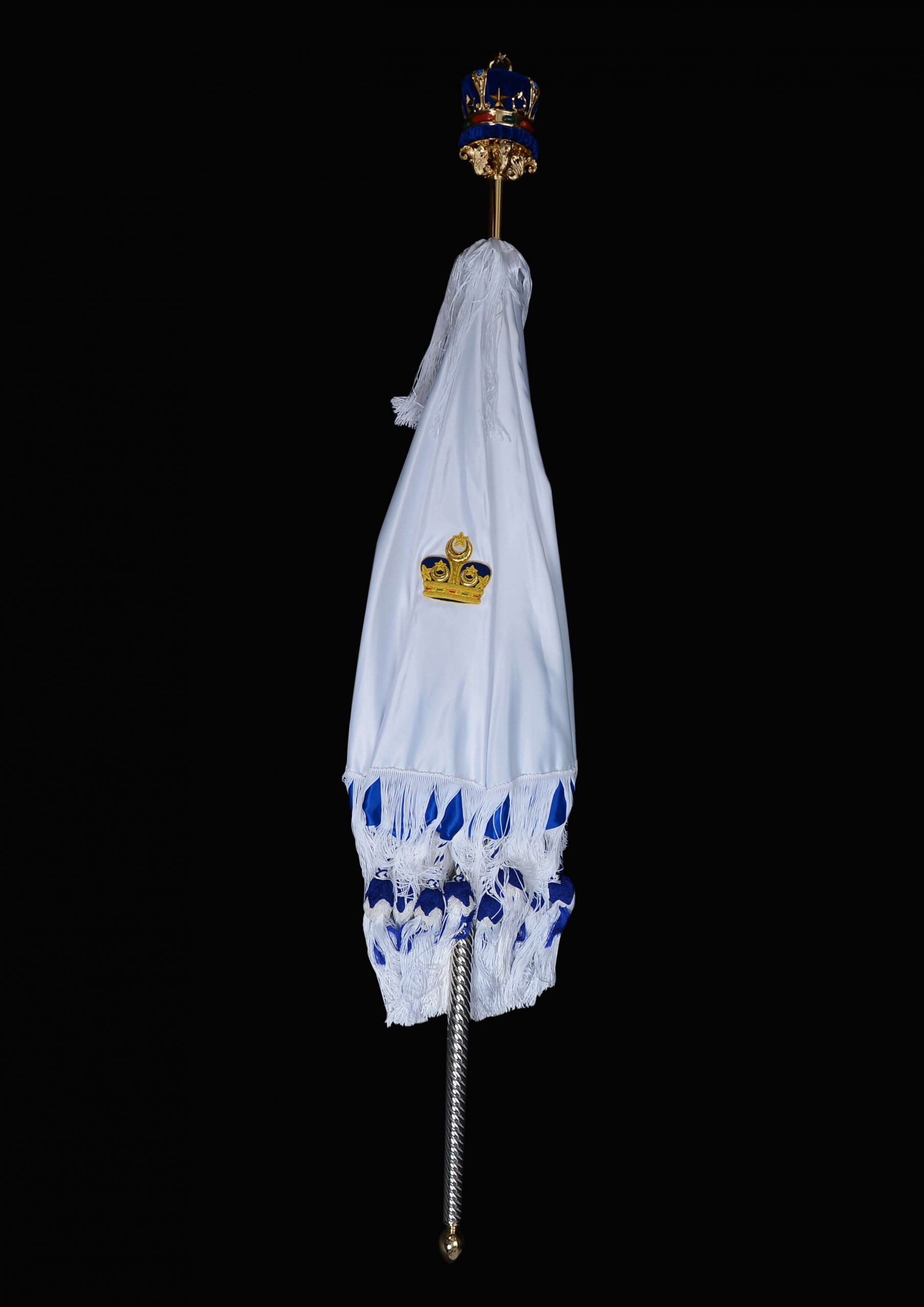
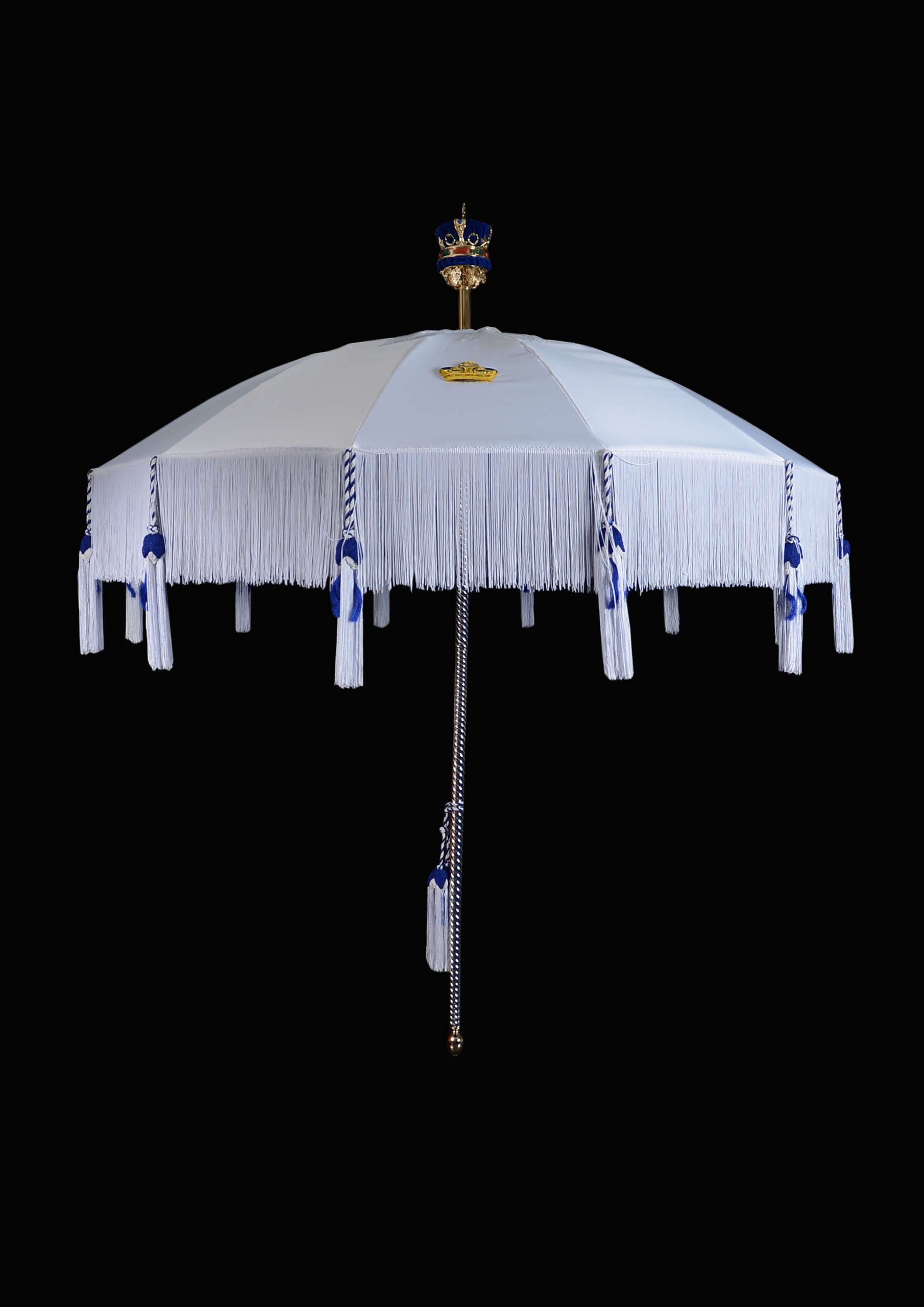
In 1886 Sultan Abu Bakar commissioned a set of insignias as a symbol of the Sovereign’s authority. In the olden days, the insignias were used as weapons of war to protect a ruler. Johor’s ceremonial insignias are made up of a sceptre of religion, a sceptre of the universe, a Kris of the Order of the Royal Family, a Kris of the Order of the Crown, the Sovereign’s personal standard, the State flag, 16 spears, two large white umbrellas, two small white umbrellas, and 16 staves. The Dato’ Penghulu Biracana carries a Mace of Office (Cokmar), while the Dato’ Penghulu Istiadat and his two assistants carry the Royal Ceremonial Stave (Tongkat Istiadat). An Honourable Corp of Insignia Bearers is tasked to carry the insignias during a royal ceremony. Members of the Corp are selected from able males and their sons serving the sovereign and considered persons of the inner circle.
Article 61 of the Constitution categorically mentioned the State Crown, the Queen’s Diadem and the royal insignias should forever be used and adhered to without any variation or alteration.
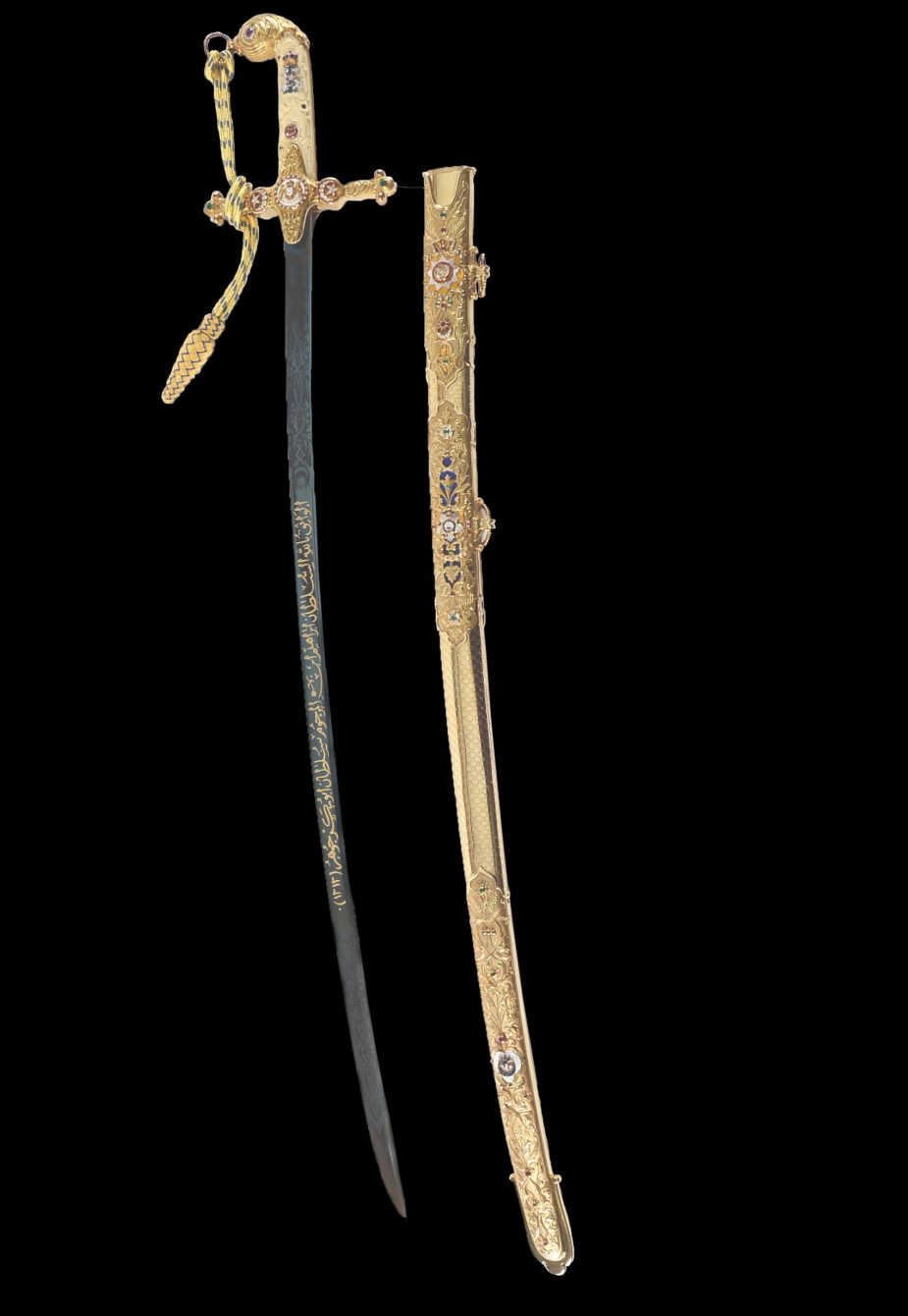
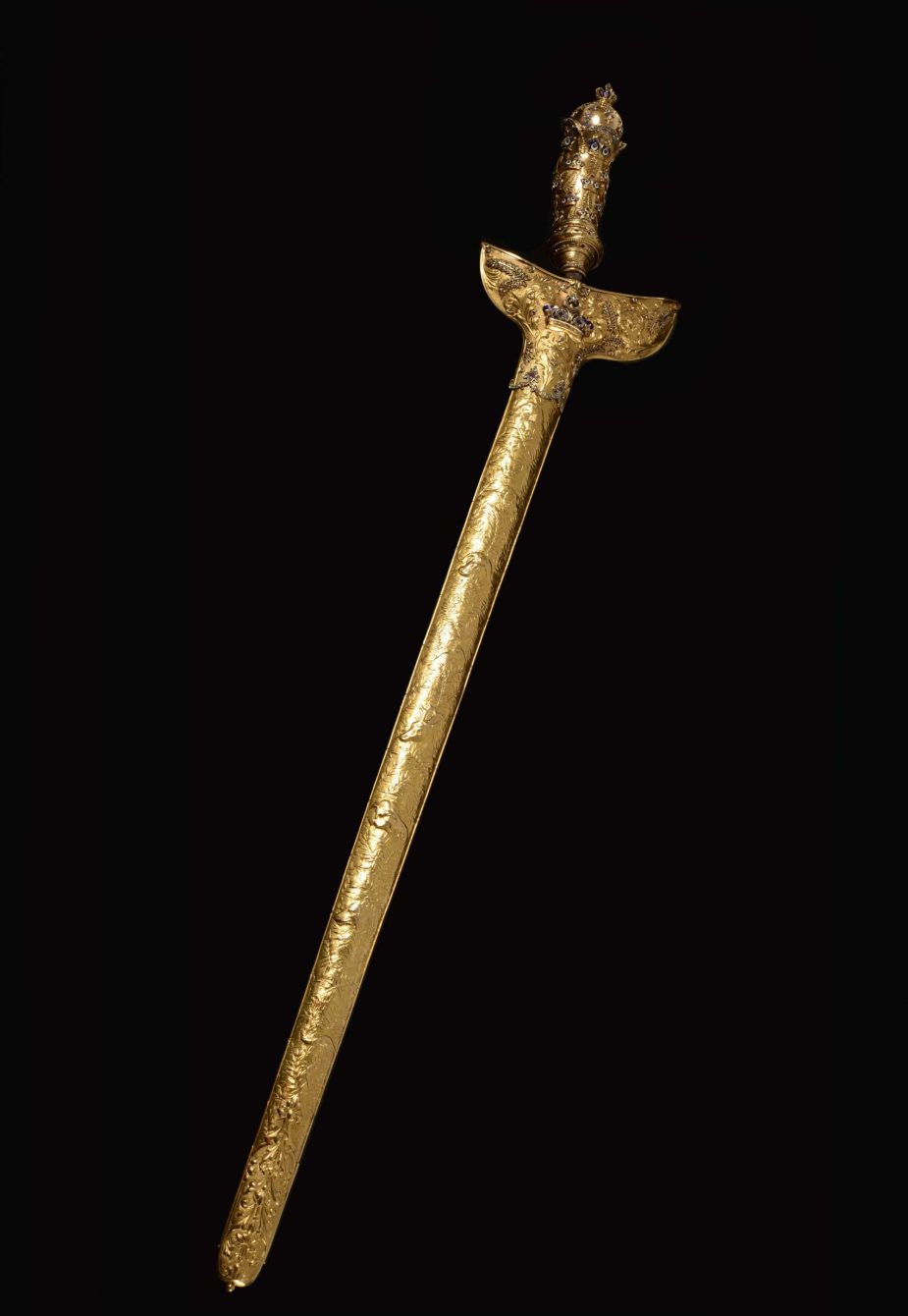
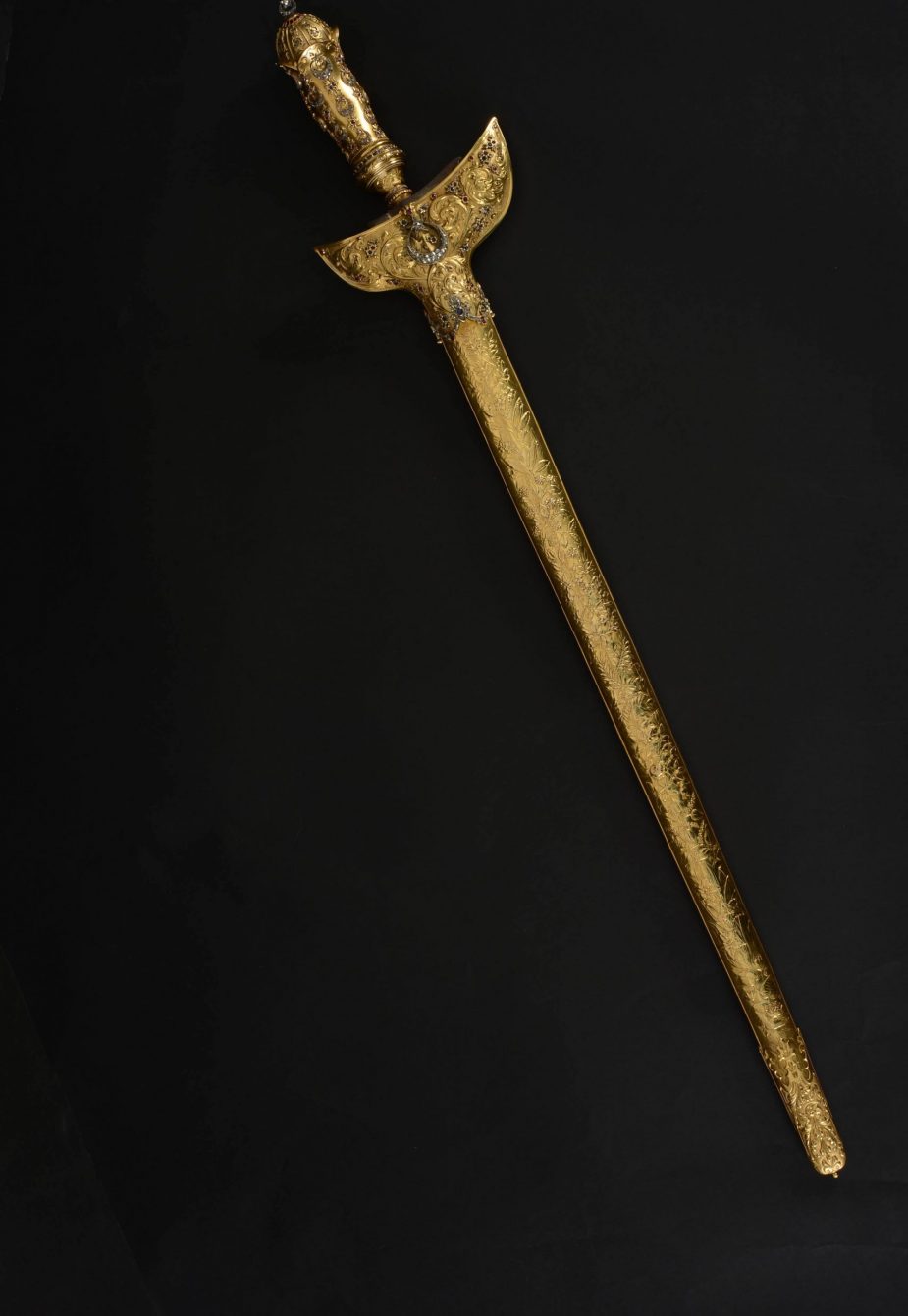
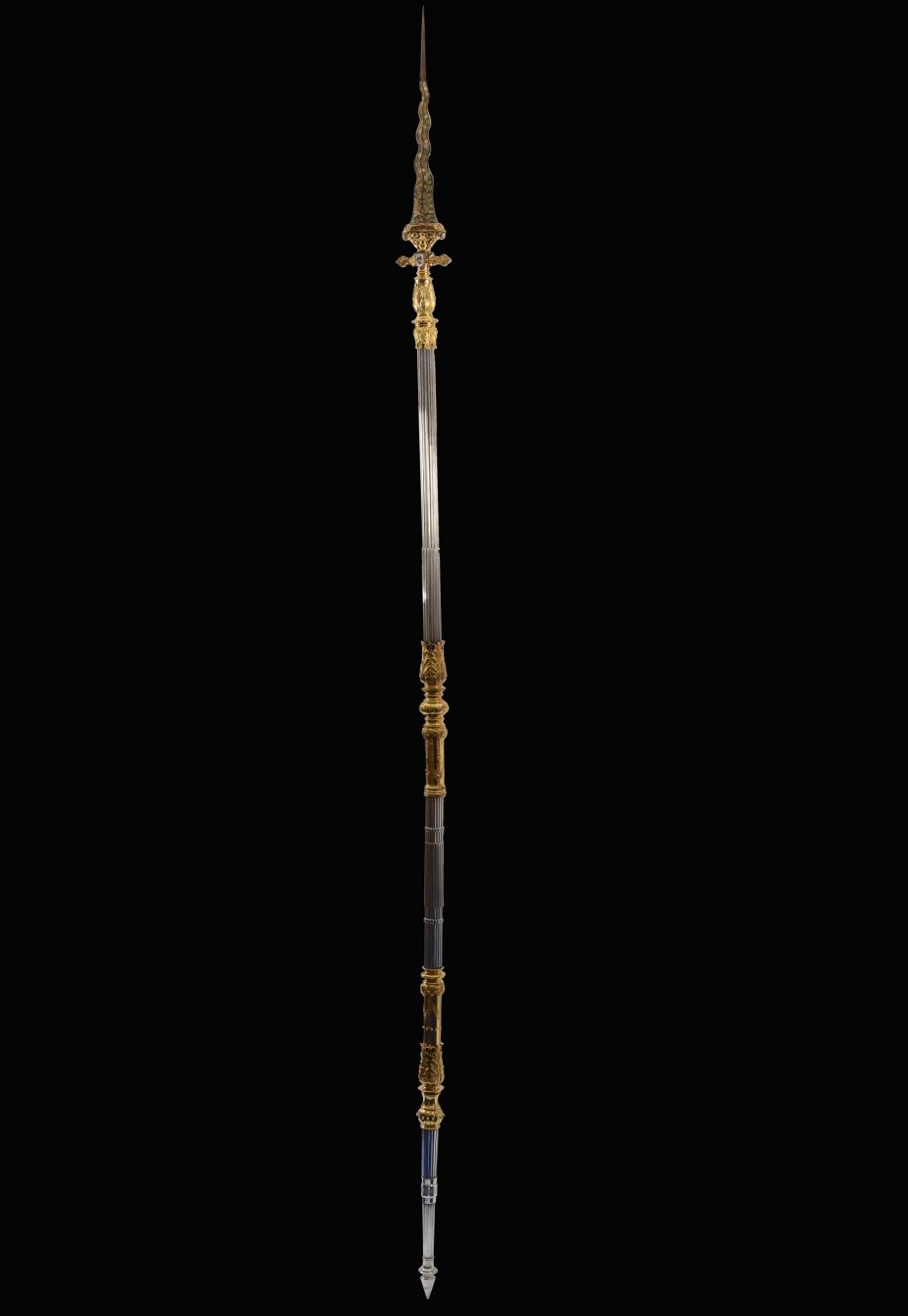
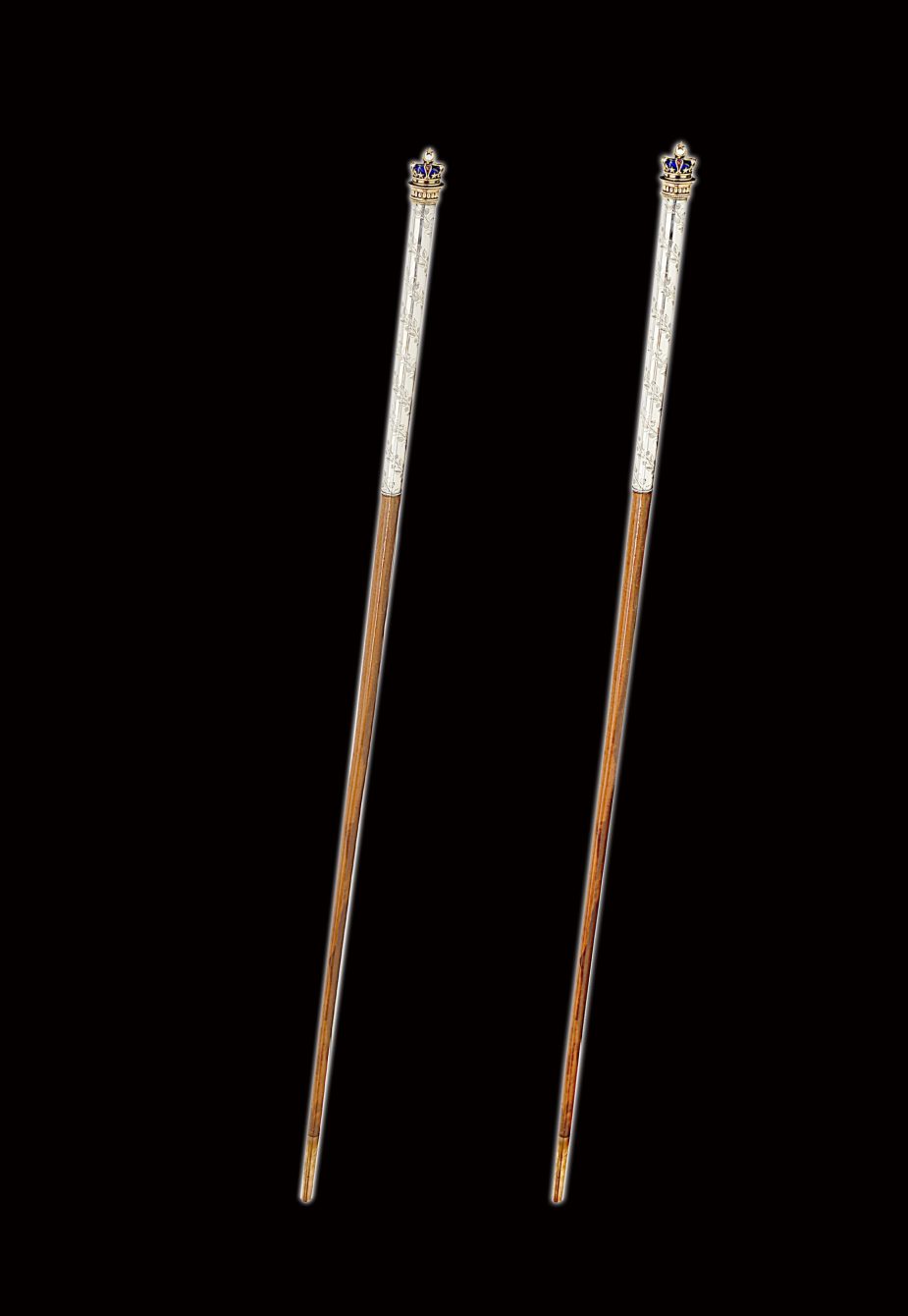
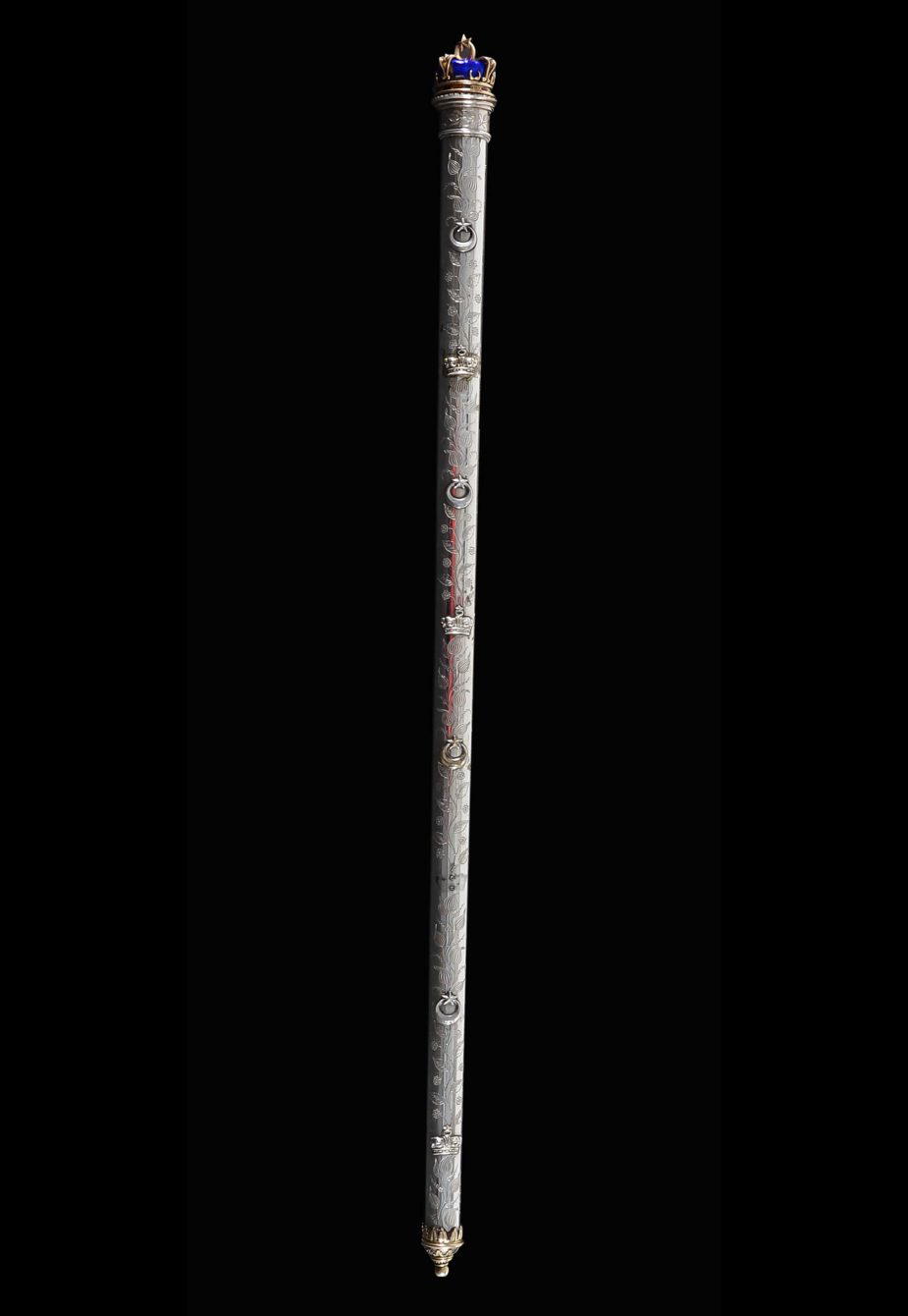
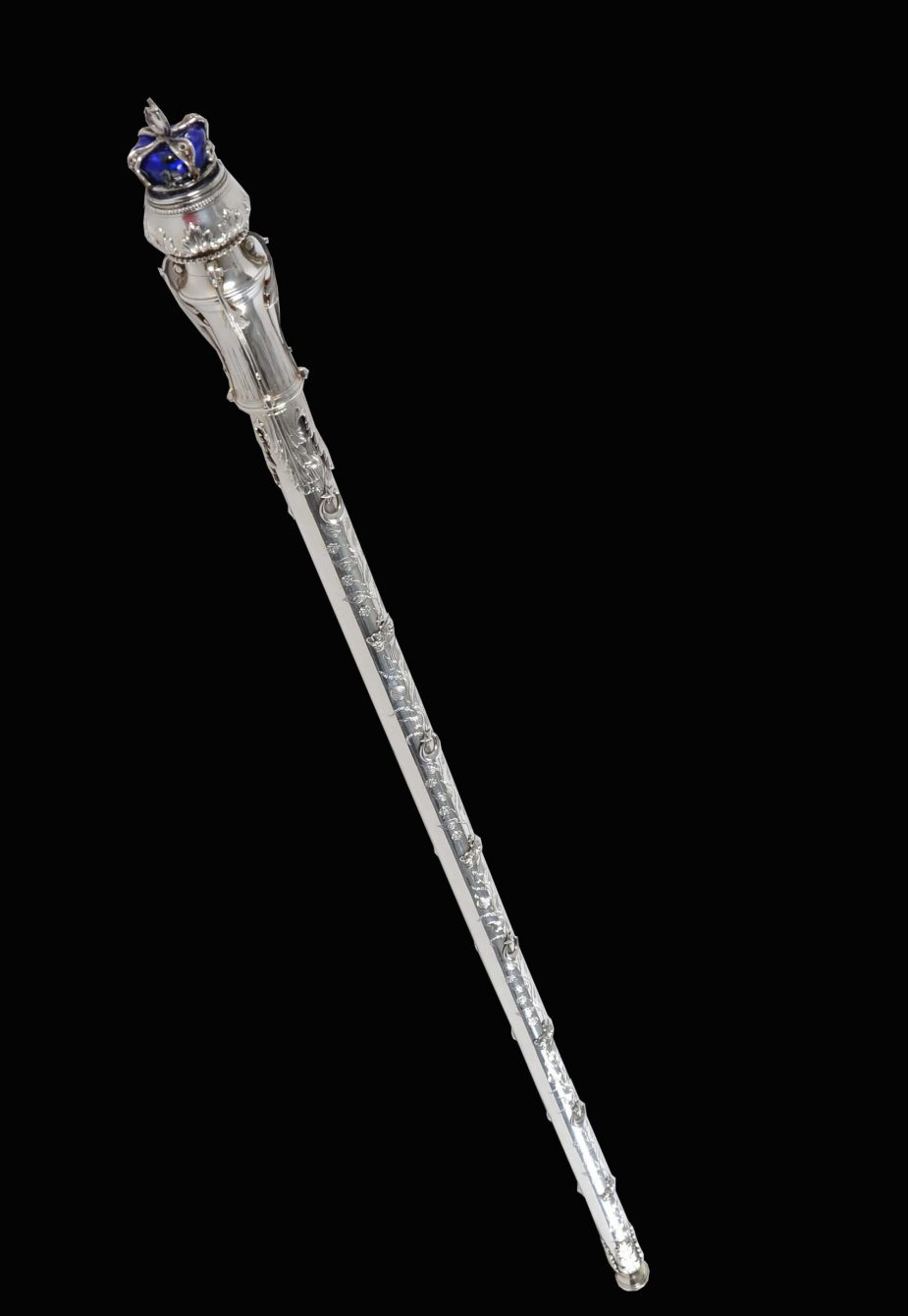
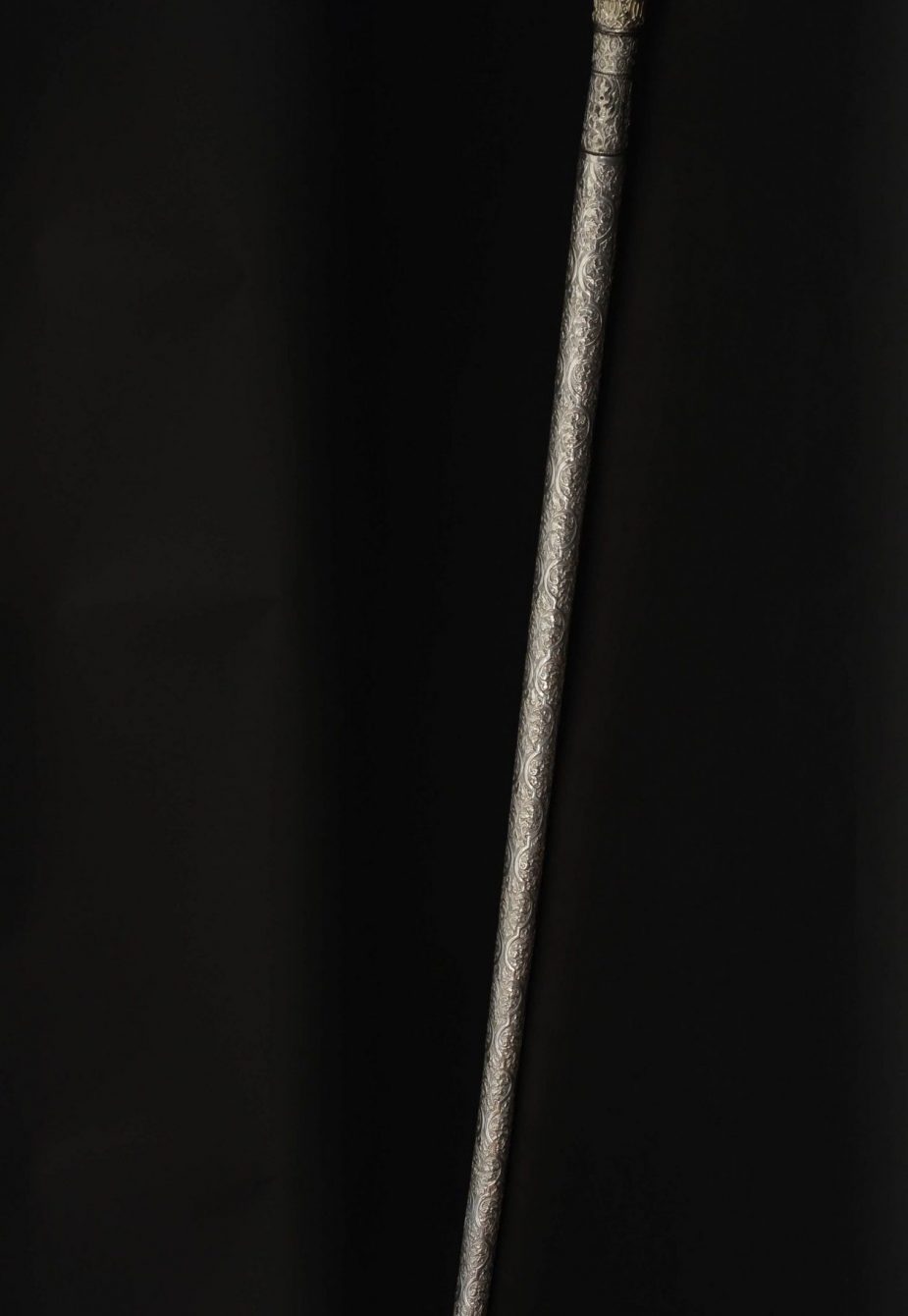


Ceremonial Insignia (Source: The Royal Abu Bakar Museum)
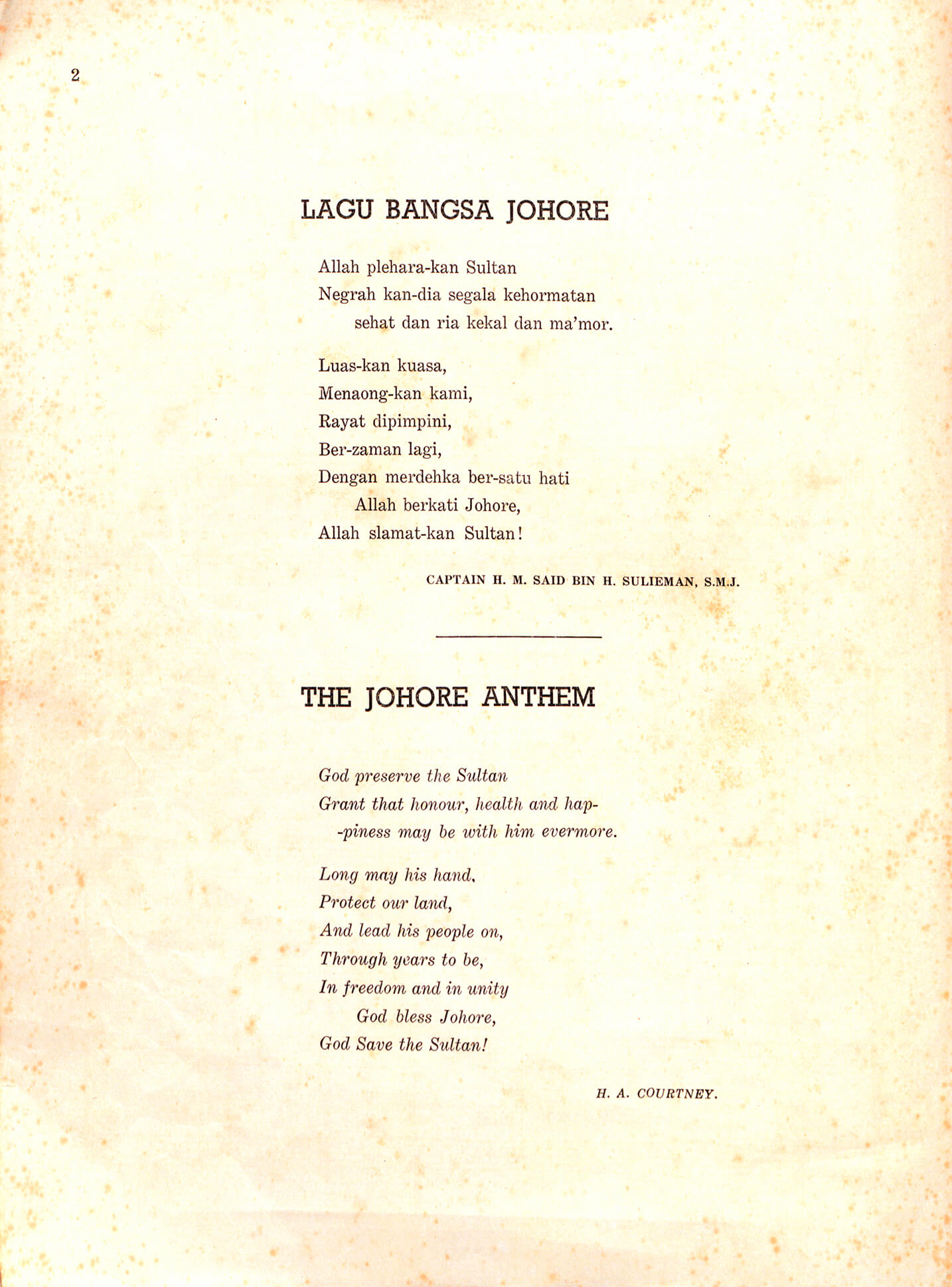
The Johor State Anthem (Lagu Bangsa Johor)
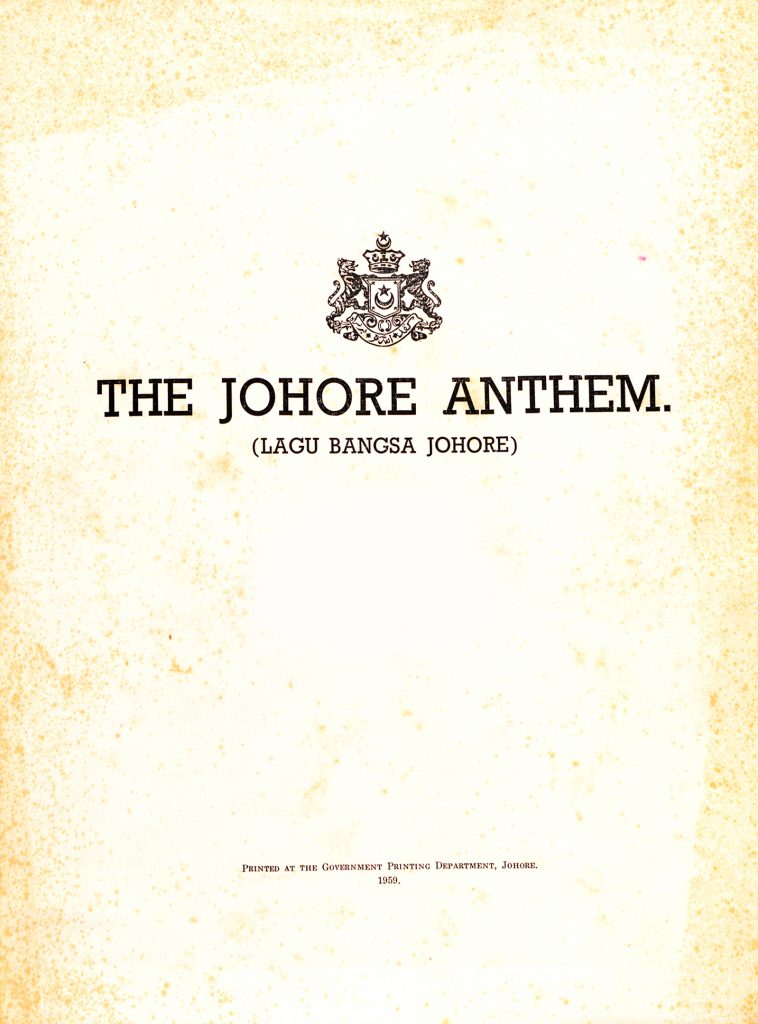
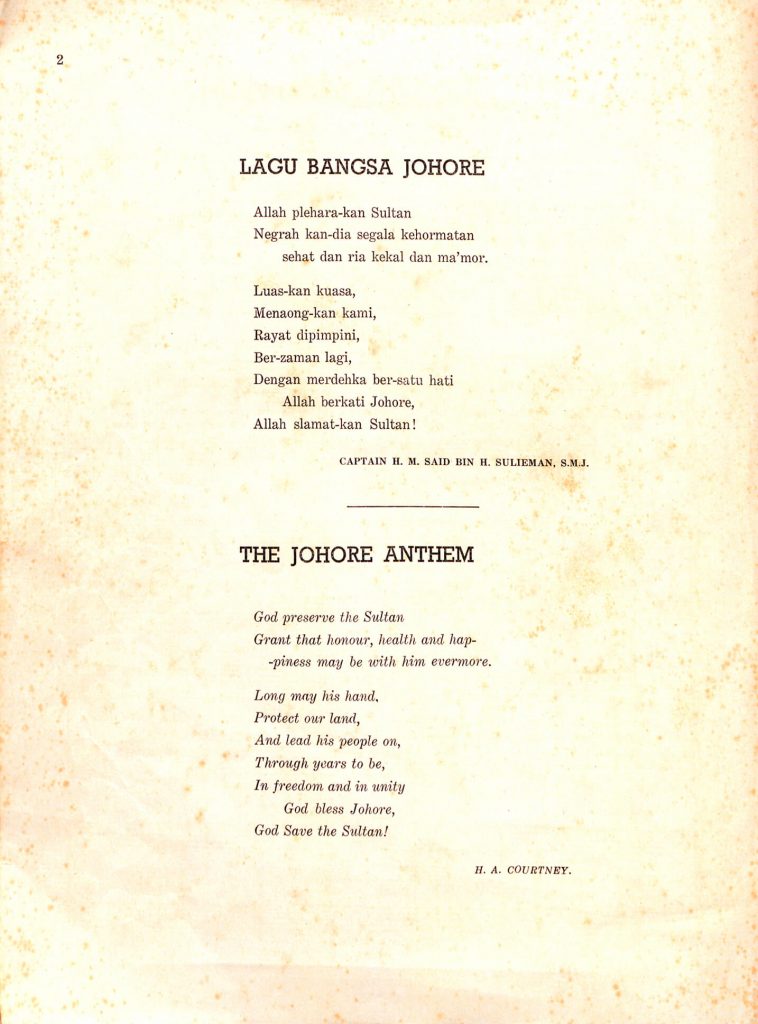
During a reception held in honour of his visit to Colombo Ceylon (now Sri Lanka) in 1876, Abu Bakar was impressed with the performance of a brass band. On his return to Johor, he ordered a brass band to be formed. Thirty Malay youths were made members of the band. In 1862 Abu Bakar appointed a Dutch musician Mackertich Galistan as the bandleader. The band performed at royal functions, including those held at Tyersall palace in Singapore.
After the formation of the Johor Military Forces in 1886, Galistan was tasked to form a brass band for the unit. The JMF band performed weekly at Bukit Bintang in the Istana Gardens. Galistan devised, adapted and improved the traditional Malay tune Dondang Sayang (Music of Love), but without lyrics, as the state anthem known as Lagu Johor (Song of Johor) to replace the music of the Nobat ensemble. The Song of Johor was played during the receiving of Abu Bakar’s royal remains at the Royal Jetty of the Istana Besar in 1895. In 1910 Hubert A. Courtney, a pianist and manager of the Hong Kong and Shanghai Bank in Johor Bahru, wrote the lyrics of Song of Johor, based on the English anthem “God Save the King”. The Song of Johor was renamed “God Save the Sultan”. In 1915 Major Dato’ Haji Mohamad Said, with the assistance of Drum Major Abdul Rahim bin Abdul Karim translated the lyrics into Malay. In the same year, Sultan Sir Ibrahim renamed the anthem as Lagu Bangsa Johor to honour his concept of Bangsa Johor that he created to rally the spirit and unity of the people of Johor for progress.

 English
  Malay
Malay